




**After Root Canal Treatment in Mainland China: Will It Hurt Again?**
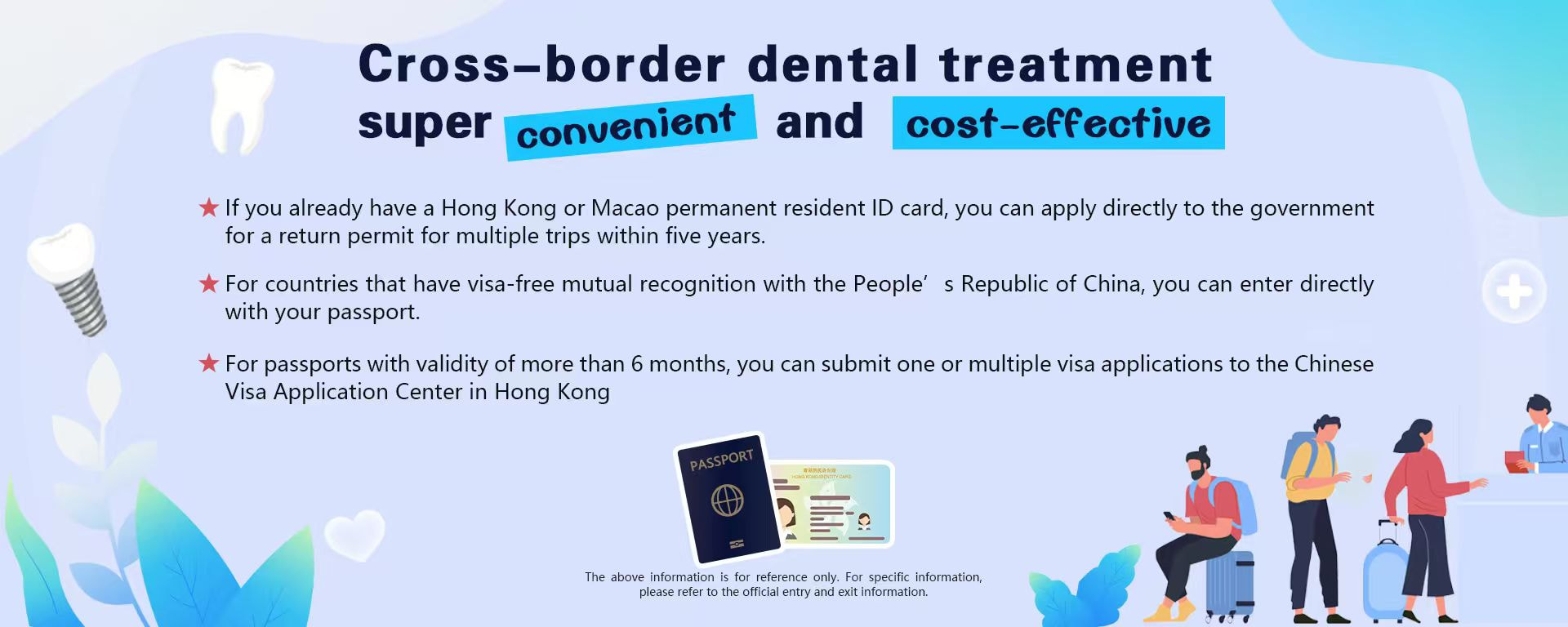
In recent years, many Hong Kong residents have opted to travel to Mainland China for dental treatments, including more complex procedures like root canal therapy. The reasons are twofold: convenient transportation and access to suitable dental services. However, a common concern post-root canal is whether there will be recurring pain. Understanding the principles of root canal treatment and postoperative care can shed light on this concern.
**What is Root Canal Therapy?**
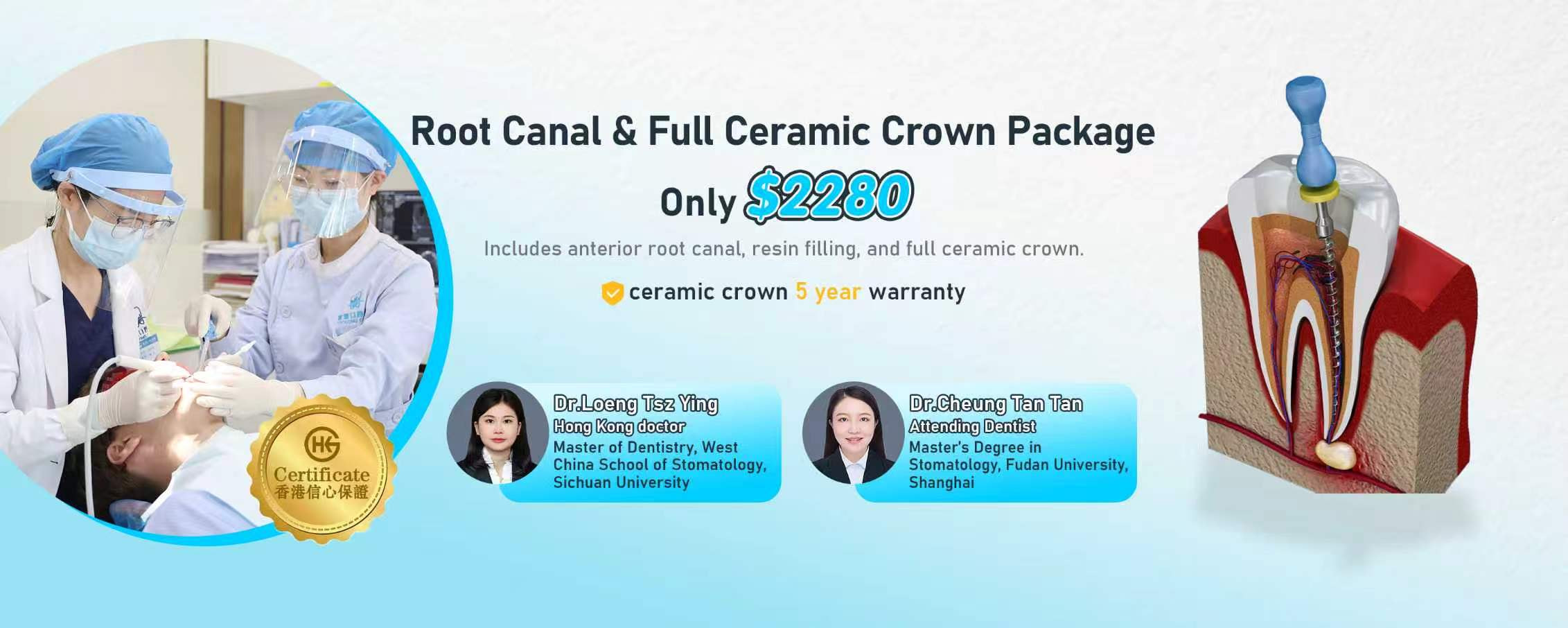
Root canal therapy, also known as endodontic treatment, targets the severe infection or inflammation of the dental pulp. The dental pulp contains nerves, blood vessels, and other tissues. When bacteria infect these areas, the pain can be intense and may even lead to tooth necrosis. The procedure involves removing the infected pulp tissue, thoroughly disinfecting the root canal, and then sealing it with a filling material to prevent future bacterial intrusion.
**Short-term Postoperative Pain is Normal**
Many patients notice some swelling or mild discomfort for a few days to a week following a root canal. This reaction is considered normal in dentistry because the periodontal tissues and the treated root area need time to recover. This type of pain is usually mild and does not reach the intensity experienced during the infection. By following your dentists advice, such as avoiding hard foods and maintaining oral hygiene, the discomfort typically subsides gradually.
**Long-term Pain May Indicate Other Issues**
Persistent pain or occasional discomfort when biting after a root canal could signal other issues. Potential causes include:
1. Incomplete removal of infected material, allowing bacteria to re-infect the area.
2. Damage to the surrounding bone, requiring a longer healing time.
3. Cracks in the tooth that compromise the success of the treatment.
4. Occlusal issues with crowns or fillings, creating pressure points.
These situations may not necessitate another root canal; sometimes, a local adjustment or additional dental therapy can resolve the problem. Nevertheless, the safest route is to consult your dentist for a thorough examination to rule out hidden infections.
**Post-Treatment Follow-up When Returning to Hong Kong**
While receiving dental treatments outside Hong Kong offers various options, it’s important to remember that dental care, particularly root canals, isnt a one-time process. Follow-up and maintenance are crucial. Once back in Hong Kong, its advisable to have a local dentist conduct follow-up checks. This ensures that any potential issues are addressed promptly, avoiding delays that could lead to the return of pain.
**Postoperative Care Tips**
1. **Maintain Good Oral Hygiene:** Brush twice daily and floss to reduce bacterial growth.
2. **Avoid Hard Foods:** Refrain from using the treated tooth to bite on hard items like nuts and ice for several weeks.
3. **Regular Check-ups:** Even without pain, visit your dentist as recommended to ensure the treatment remains effective.
4. **Watch for Unusual Symptoms:** Seek immediate dental care if you experience sudden severe pain, swelling, or bleeding gums.
**Having the Right Mindset Matters**
Fear of pain may lead some individuals to skip regular dental check-ups, worsening their condition. Modern root canal techniques are well-developed and typically involve anesthesia, minimizing pain levels. Postoperative discomfort is a natural response and should not cause worry. With proper care and regular dental visits, the majority of patients do not experience significant pain issues afterward.
**Conclusion**
Whether there will be pain after undergoing a root canal in Mainland China depends on the individual tooths condition and the post-treatment care involved. Some pain is a temporary part of the recovery process, while other sensations might indicate new issues. The key is not to neglect follow-up consultations and oral care. Regardless of where the treatment is performed, having a comprehensive follow-up plan is essential to truly enjoy a pain-free, relaxed lifestyle following the procedure.
















