





**Should You Get a Dental Crown After a Root Canal Treatment in Northern China?**
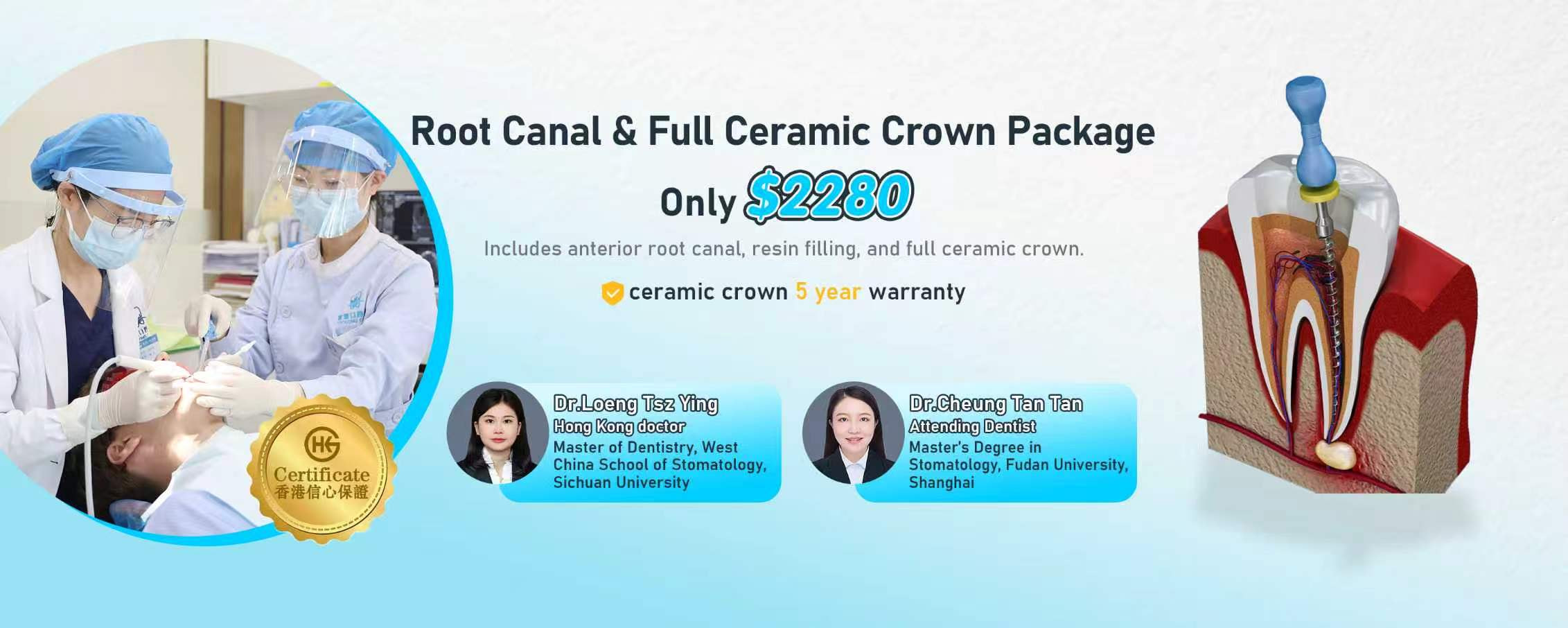
In recent years, many Hong Kong residents have traveled north to China for dental treatments, with root canal therapy being a popular choice. This procedure is used when the dental pulp becomes infected or damaged; dentists clean the inside of the root canal, removing the dead tissue and sealing it to preserve the natural structure of the tooth. After undergoing a root canal treatment, a common question arises: Do I still need a dental crown? The answer largely depends on the condition of the tooth and your lifestyle habits.
First, its essential to understand the changes in a tooth after a root canal. Since the process involves removing the nerves and blood vessels inside the tooth, the tooth loses its nutritional supply, becoming more fragile and prone to cracking or chipping. This is particularly a concern for molars, which endure significant biting forces. Without additional protection, these teeth are at risk of fracturing due to hard foods or excessive pressure. If a tooth cracks into the root, it often cannot be saved and must be extracted. Hence, many dentists recommend placing a dental crown to protect the tooth post-treatment.
However, not all cases require an immediate dental crown. If the treated tooth is a front tooth, which primarily bites rather than chews, and is still in good condition, a dentist might suggest restoring it with filling material instead of immediately opting for a crown. Aesthetic concerns are significant for front teeth, so crowns or veneers might be chosen to enhance appearance, even if functional needs are not as pressing.
Your individual biting habits must also be considered. If you frequently consume hard foods like sticky candies, hard nuts, or ice cream cones, even front teeth can be at risk of cracking due to high bite pressures. In such cases, dentists may be more proactive in recommending a dental crown for long-term tooth protection. Conversely, if youre gentle with food and avoid hard substances, and your tooth remains structurally stable, delaying a crown might be possible.
Moreover, the durability of a root canal-treated tooth is tightly linked to your oral hygiene practices. Regular dental cleanings and consistent brushing and flossing reduce the risk of reinfection. If bacteria invade post-treatment, the tooth is more susceptible to problems, potentially affecting the seal of a crown.
Some individuals worry that a dental crown might appear unnatural or feel uncomfortable. However, advancements in dental technology have greatly improved these aspects, with crown materials now closely mimicking the color and texture of natural teeth, enhancing comfort. When receiving dental care in Northern China, clinics often offer options like porcelain or all-ceramic crowns that visually match natural teeth, ensuring a confident smile without a "fake" appearance.
Alternatives to crowns are sometimes considered, such as inlays or onlays, particularly when theres sufficient tooth structure remaining after a root canal. These methods can retain more of the natural tooth structure, but they dont offer the 360-degree coverage and protection that crowns do, so the choice depends on the tooths condition and professional advice.
In summary, there is no definitive answer to whether you should get a dental crown after a root canal in Northern China. Considerations include:
1. **Tooth Position**: Molars typically need crown protection; anterior teeth depend on aesthetic and functional needs.
2. **Remaining Tooth Structure**: Thin or fragile tooth walls benefit from a prompt crown application.
3. **Lifestyle Habits**: Preferences for hard foods or heavy biting increase the advisability of crowns.
4. **Oral Care Level**: Good hygiene practices can extend the lifespan of the tooth and maintain the effectiveness of the crown.
Ultimately, whether you choose an immediate crown or delay it, consult a trusted dentist for a personalized assessment. Traveling north for dental work can save time and be convenient, but ensuring proper post-procedure care and regular check-ups is key to preserving your smile and chewing ability. A root canal is just a first step; ongoing protection is the true long-term solution.
















