






**Will Pain Immediately Disappear After Root Canal Treatment Across the Border?**
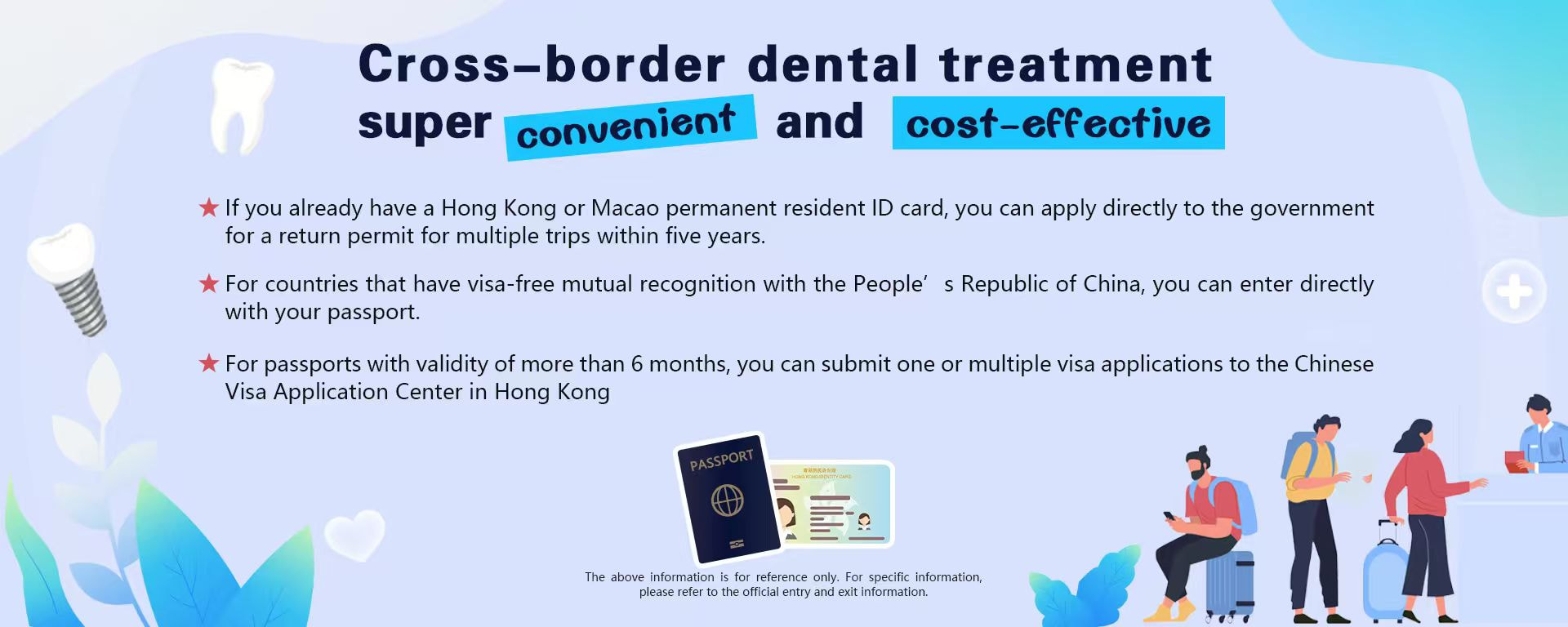
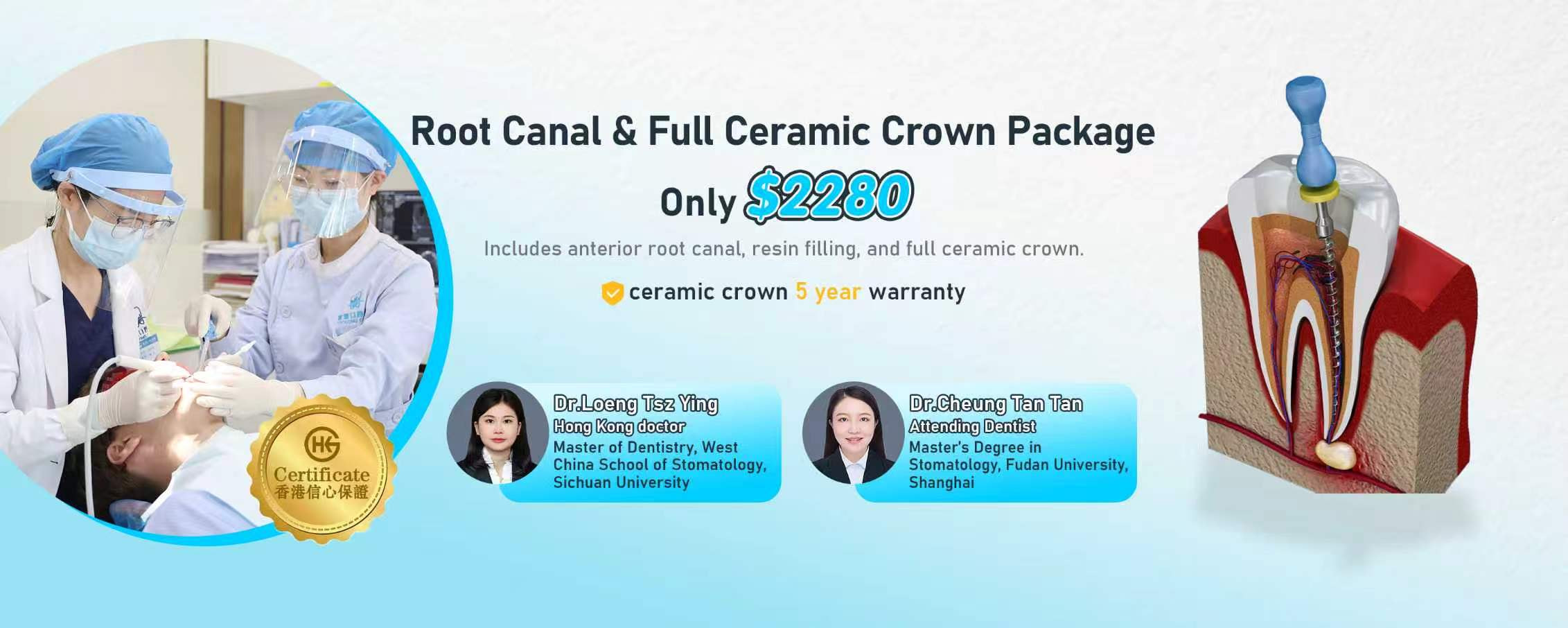
In recent years, many Hong Kong residents have opted to cross the border for dental treatments, including root canal therapy, due to lower costs and more convenient scheduling. A root canal primarily addresses pulp infections or severe tooth decay that affect the dental nerve. The process involves removing the infected pulp, disinfecting the area, and sealing the root to preserve the original tooth. However, an often-asked question is: Will the pain immediately vanish after completing a root canal treatment across the border?
Firstly, its important to understand that the rate at which tooth pain alleviates varies from person to person. While the root canal procedure targets internal tooth infections and inflammation by cleaning and sealing the root, the surrounding periodontal tissues may still be irritated or slightly inflamed. Thus, even after treatment, the pain may not disappear entirely right away. Some individuals may experience relief within a few hours, while others might need several days to a week to feel completely pain-free.
Moreover, tissues surrounding the tooth require time to heal post-treatment. Although the tooth loses nerve sensation temporarily after a root canal, the periodontal membrane and nearby tissues can still be affected. This could lead to minor discomfort or sensitivity when biting, which is part of the normal healing process and not a sign of treatment failure. Dentists typically advise patients to be cautious with their diet following a root canal, avoiding hard or extremely hot or cold foods, allowing sufficient time for the tooth to adjust.
Its also crucial to pay attention to post-treatment care. If patients inadvertently bite on hard objects or fail to follow dentist instructions after returning from cross-border treatment, the pain may become prolonged. Adequate rest, maintaining oral hygiene, and avoiding excessive chewing with the treated tooth are vital for speeding up recovery.
In some cases, persistent or worsening pain after a root canal indicates potential issues. This might be due to ongoing inflammation around the tooth roots or undetected cracks in the tooth structure. If the pain does not noticeably lessen, its advisable to seek a follow-up with a dentist without delay, as a recurrence of infection can complicate treatment.
Many individuals who seek dental care across the border often worry about follow-up care. Regardless of where treatment takes place, regular dental check-ups are essential. After a root canal, some dentists might recommend a crown to protect the tooth from cracking due to biting pressure. Absence of pain doesnt necessarily signify no dental issues, therefore regular check-ups can help identify potential oral health problems early.
The most crucial factor is a patient’s understanding of their dental health and patience. Immediate relief from pain post-root canal is not guaranteed and may require time. Its important not to hastily judge the effectiveness of cross-border treatments, but rather to observe and adopt proper care habits over several days to a week to achieve true tooth preservation and pain alleviation.
In conclusion, whether pain immediately subsides after cross-border root canal treatment depends on individual constitution, the extent of infection, and the recovery process. Normal minor discomfort is part of healing, and by carefully following dentist instructions, maintaining patience, and good oral habits, most individuals will gradually experience reduced pain, eventually returning to everyday life. Cross-border dental treatment offers convenience and a range of choices, but post-treatment care and monitoring must not be overlooked to ensure the effectiveness of root canal therapy and long-term dental health.
















