





**Will Root Canal Treatment in Mainland China Cause Easier Tooth Fracture?**
In recent years, many Hong Kong residents have considered traveling to Mainland China for dental treatments. Among these, root canal treatment is a significant concern for many. A common question arises post-treatment: Will the treated tooth become more prone to fractures? While this concern is valid, understanding the reasons behind it and adopting proper care methods will help maintain your dental health confidently.
**What is Root Canal Treatment?**
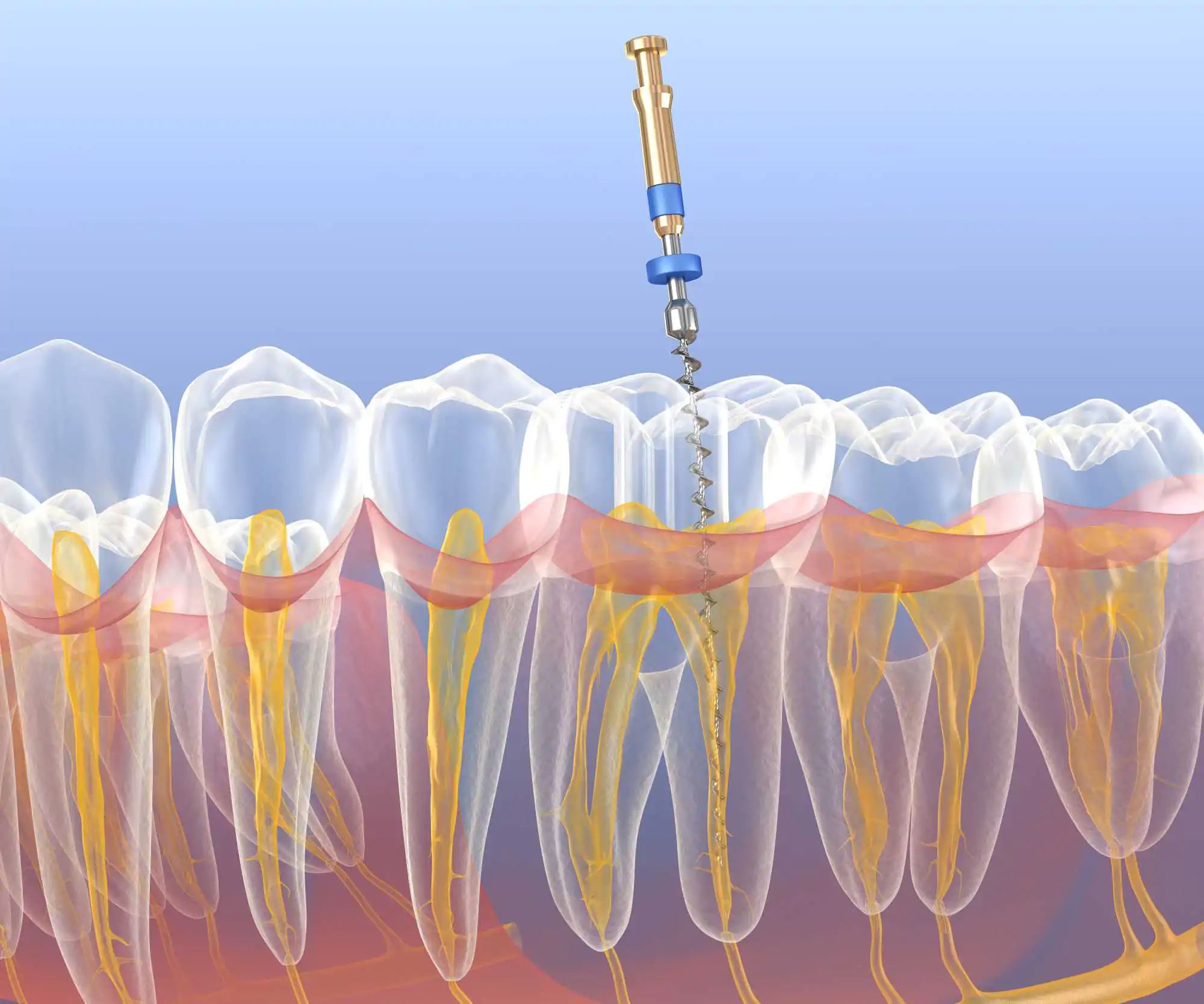
Root canal treatment addresses situations where a tooths pulp becomes infected or necrotic. The procedure involves removing the pulp and bacteria, sealing the root canal to prevent further infection, and preserving the tooths basic functions. Simply put, if a tooth is damaged due to decay, trauma, or other reasons, a root canal can help extend its lifespan.
**Why Does a Tooth Become More Fragile After a Root Canal?**
The pulp is a living tissue inside your tooth containing blood vessels and nerves, providing nutrients and sensation to the tooth. When the pulp is removed, the tooth loses some nutrient supply and its ability to sense pressure and pain. Additionally, the process of drilling into the crown and cleaning the root canal impacts the tooths internal structure, making it less robust and more prone to brittleness over time.
Moreover, if a crown (commonly referred to as a cap) isnt placed onto the treated tooth, it directly bears the force of daily chewing, making it susceptible to cracks, chips, and even fractures. This risk is particularly high for molars at the back, which endure greater biting forces.
**Considerations When Seeking Treatment in Mainland China**
Many Hong Kong residents opt for root canal treatments in Mainland China due to the variety of medical options, advanced techniques, and convenient transportation. Regardless of advanced mainland techniques, its crucial to discuss post-treatment protection with your dentist, including the immediate recommendation of a crown and choosing durable materials—key factors in ensuri
ng effective treatment and reducing the risk of tooth fractures.
Also, dont consider the treatment complete once the root canal is done; ongoing dental care paired with regular check-ups and good lifestyle habits is essential.
**How to Reduce the Risk of Tooth Fracture After a Root Canal**
1. **Install a Protective Crown**: For molars, installing a crown after a root canal can help distribute chewing pressure and reduce the risk of the tooth splitting.
2. **Avoid Hard Objects**: Post-treatment, avoid using the treated tooth to bite hard objects like bottle caps, ice cubes, and hard candies to alleviate stress.
3. **Maintain Oral Hygiene**: Brush twice daily and use dental floss or interdental brushes to prevent decay affecting adjacent teeth on the same side.
4. **Regular Check-ups**: Teeth with root canals won’t feel pain anymore, so cracks or looseness might go unnoticed without regular check-ups.
5. **Balanced Diet**: A varied diet with adequate calcium and vitamin D can enhance overall dental health.
**Managing Expectations and Mindset**
Many people assume that a tooth after a root canal is still "their own tooth" and continue to use it as before. However, it is essentially a "nerve-less tooth" with slightly compromised function and stress resistance. With proper mental preparation and understanding of the need to protect this tooth, it can last longer.
**Conclusion**
Will a tooth become more prone to fracture after a root canal in Mainland China? The answer is—it is possible, but not inevitable. The quality of the treatment process, subsequent protective measures, and your personal habits are critical factors determining the tooths lifespan. A root canal provides more time for your tooth to stay with you, but everyday care is the real key to prolonging its life. If youre considering heading to Mainland China for a root canal, be sure to thoroughly discuss post-treatment plans with your dentist and commit to diligent self-care. This approach will minimize the risk of tooth fractures and allow you to enjoy the quality of life that comes with healthy teeth.
















