





**Will Teeth Lose Their Strength After Root Canal Treatment in Mainland China?**
In recent years, many Hong Kong residents choose to travel to mainland China for dental treatments, including root canal treatment. A common concern among these individuals is whether their teeth will become weak and lose biting strength after completing a root canal. This issue not only pertains to dental health but also directly affects daily dietary habits and oral care practices.
**What is Root Canal Treatment?**
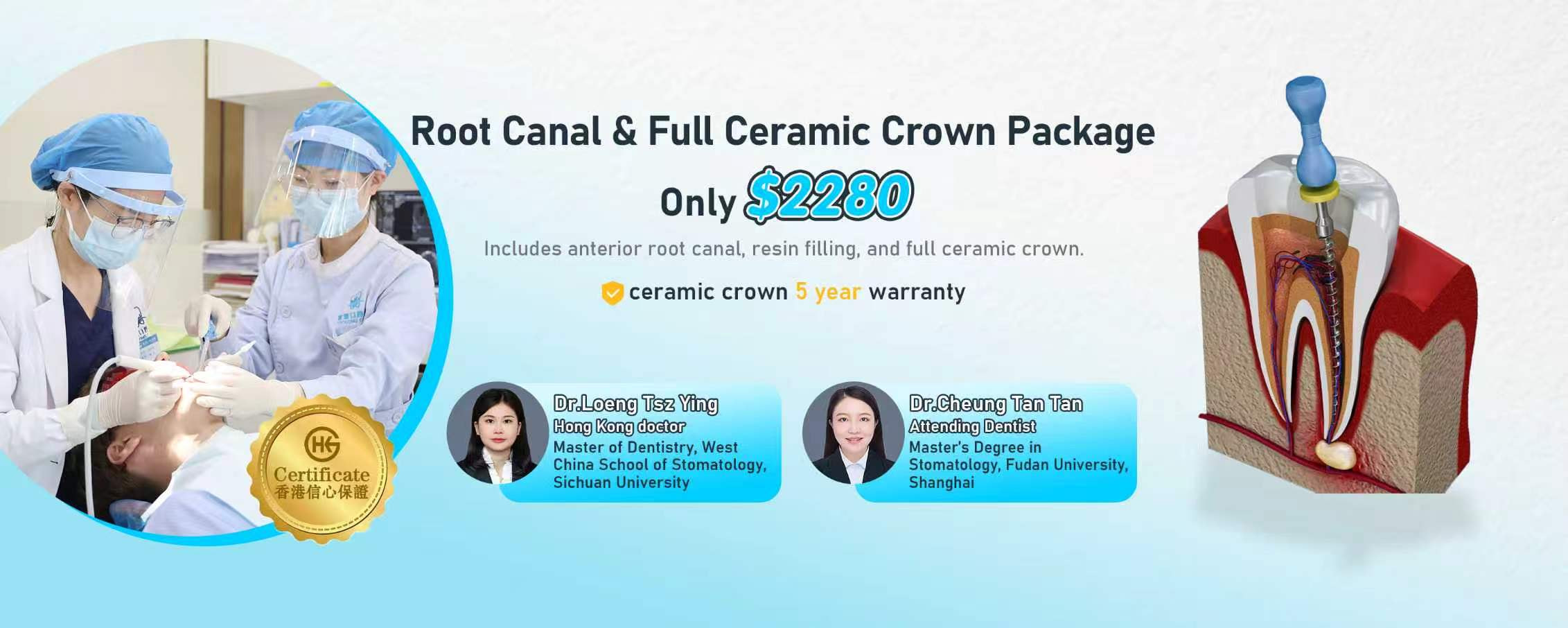
Root canal treatment involves clearing out the inflamed or infected pulp inside a tooth, cleaning the pulp chamber and root canals, and then filling and sealing them with material to prevent further bacterial invasion. Although the procedure sounds complex, it is actually a common dental treatment aimed at preserving the natural tooth rather than extracting it.
**Will a Root Canal Affect Tooth Strength?**
Many people assume that a tooth will lose its biting strength following a root canal. However, this isn’t entirely accurate. After the procedure, the tooth’s nerves and blood vessels are removed, leading to the loss of sensation, including pain during biting. However, without internal nourishment, the tooth becomes more brittle and less capable of withstanding pressure. Without additional protection, it might easily fracture under forceful biting.
**Why Does It Seem “Weak”?**
The perceived “weakness” is often psychological or due to an adjustment period. Post-treatment, an individual tooth may feel unstable due to the removal of pulp tissue and nerves. Additionally, dentists typically advise patients to avoid using the treated tooth for biting hard foods initially, leading people to subconsciously develop a habit of avoiding using their tooth for biting. In the long term, with appropriate restoration, such as a dental crown, the tooth’s biting force can nearly return to its original state.
**The Importance of Restoration and Protection**
Root canal treatment isn’t the concluding step but rather the beginning. Without the pulp, the tooth is "hollow" and structurally prone to breaking. Following treatment in mainland China, dentists often recommend adding a crown for protection. This practice helps distribute pressure evenly across the tooth, reducing the risk of fracturing. Whether you are treated in Hong Kong or mainland China, this step is crucial for maintaining tooth functionality.
**Dietary Habits and Oral Care**
After a root canal, dietary habits require closer attention. Avoid using the treated tooth to bite very hard items, such as pear cores, nut shells, or candy blocks. Initially, opt for softer foods, and revert to regular biting once the crown or filling stabilizes. Additionally, oral hygiene remains essential because a root canal-treated tooth is still susceptible to periodontal disease or other structural damages.
**Considerations When Seeking Treatment in Mainland China**
Getting a root canal in mainland China offers conveniences such as quicker appointments and more options. However, it’s essential to find a qualified dentist and a reputable clinic to ensure the treatment quality. Ideally, follow up with regular check-ups back in Hong Kong to detect issues like misalignment or loosening of crowns promptly.
**Psychological Preparation and Recovery Period**
Patients may worry about not noticing tooth issues because the nerve is removed post-treatment. Indeed, without the nerve, there may be no pain signals for subsequent problems, but other signs like gum redness, tooth mobility, or discoloration can still appear. It’s important to learn to observe these signs and seek timely dental intervention. Understand psychologically that the root canal aims to prolong the natural tooth’s lifespan, and proper care can make it as durable as a natural tooth.
**Conclusion**
After a root canal in mainland China, the tooth doesn’t necessarily become “weak.” It loses sensation due to nerve removal, making it structurally weaker and requiring extra protection and adjustment. With crown restoration, proper diet, and regular check-ups, you can continue to bite most foods without impacting daily life. It’s crucial to maintain overall oral health despite the temporary decline in biting force, as ongoing care ensures long-term dental stability.
















