





Title: How Different Are Root Canal-Treated Teeth from Natural Teeth?
In recent years, many people have chosen to go "north" for dental treatments, and root canals are a common procedure among them. A frequent concern is how different a tooth looks and feels after a root canal compared to your original natural tooth. Today, well explore this question from a perspective familiar to Hong Kong residents.
**What is a Root Canal?**
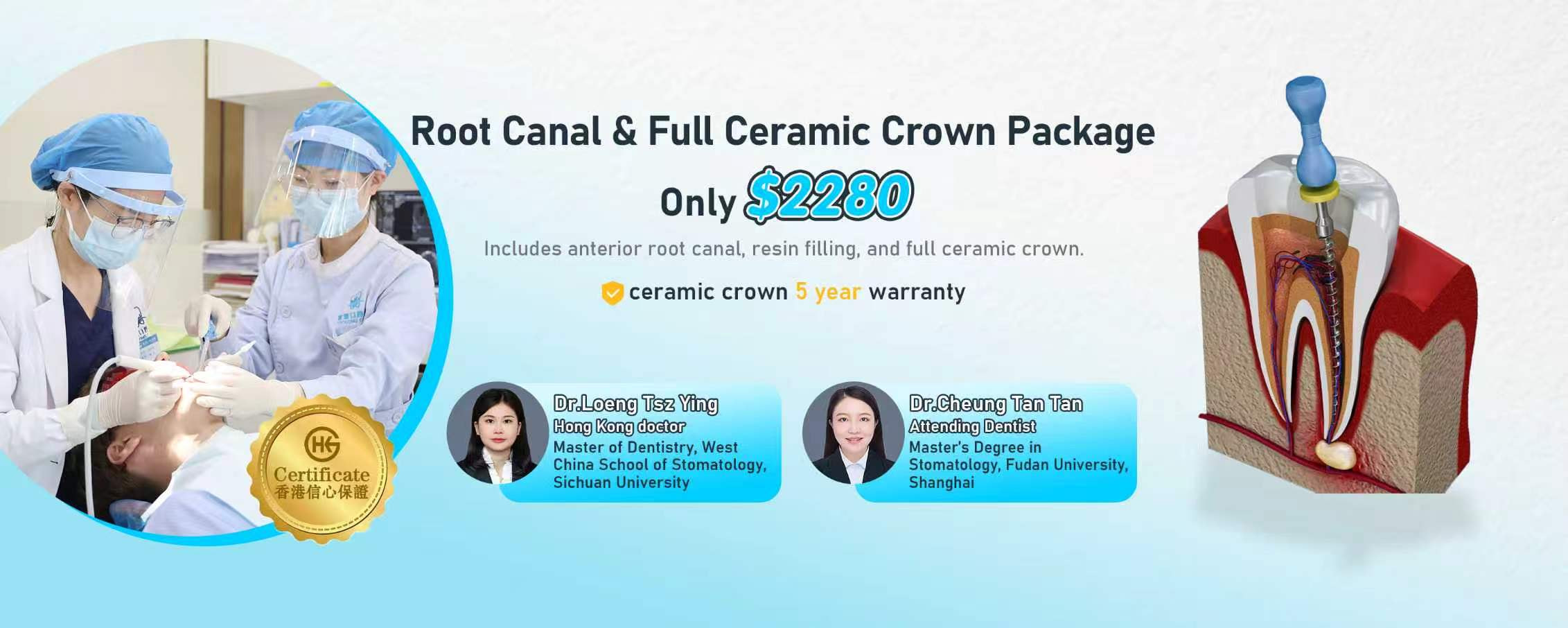
A root canal is a treatment method for inflamed or infected dental pulp. The dentist removes the damaged pulp tissue, disinfects the area, and seals it, usually finishing the procedure with a protective crown. The goal is to save the original tooth and avoid extraction. Unlike routine cleaning or fillings, a root canal is a more in-depth and detailed procedure.
**Appearance After a Root Canal**
In terms of appearance, once a crown is placed after a root canal, distinguishing the treated tooth from a natural one is nearly impossible during regular speaking and smiling. The crowns color and shape are matched to your existing teeth, and many clinics now use materials that ensure a natural look, blending seamlessly with your smile.
**Functionality**
Functionality-wise, a root canal-treated tooth performs similarly to a natural tooth when it comes to biting and chewing. Eating bread, vegetables, or even slightly harder foods is generally not an issue. However, since the tooth no longer contains living pulp, it may feel less sensitive, with slight differences in temperature and biting pressure perception.
**Durability and Maintenance**
While root canal-treated teeth maintain their chewing functionality, their structure can be somewhat more fragile. The crown acts as a protective shield, reducing the risk of cracking or further damage. Regular maintenance is crucial—routine check-ups, proper brushing, and flossing are key to ensuring longevity.
**Sensation Differences**
Many who have undergone a root canal report an initial period of adjustment, noting that the tooth doesnt feel as "alive" as a natural tooth. Eating may feel distinct, but adapting over time usually leads to minimal impact on daily life. With proper alignment and a secure crown, quality of life is largely unaffected.
**Psychological Considerations**
Some individuals may have a psychological preference for natural teeth, viewing root canal-treated teeth as a "repaired" version. However, functionally, its a cost-effective solution that retains your tooths place and appearance, preventing chewing difficulties and gaps that a missing tooth might cause.
**Thinking of Going North?**
Hong Kong residents often opt to go north for root canals due to the convenience and modern facilities available there. Whether it suits you depends on your schedule, language compatibility, and confidence in the care provided. Whether in Hong Kong or elsewhere, it’s vital to choose an experienced and professional dentist to ensure a safe and effective procedure.
**Conclusion**
The differences between a root canal-treated tooth and a natural one in terms of appearance and basic functionality are minimal, with only slight discrepancies in sensation and internal structure. Proper care and regular check-ups are essential; with these, a non-living tooth can serve you well for many years. Whether you choose treatment locally or go north, selecting the right dentist and method is the cornerstone of maintaining dental health.
















