





**Do You Need to Stop Taking Anti-inflammatory Medication Before Going North for Root Canal Treatment?**
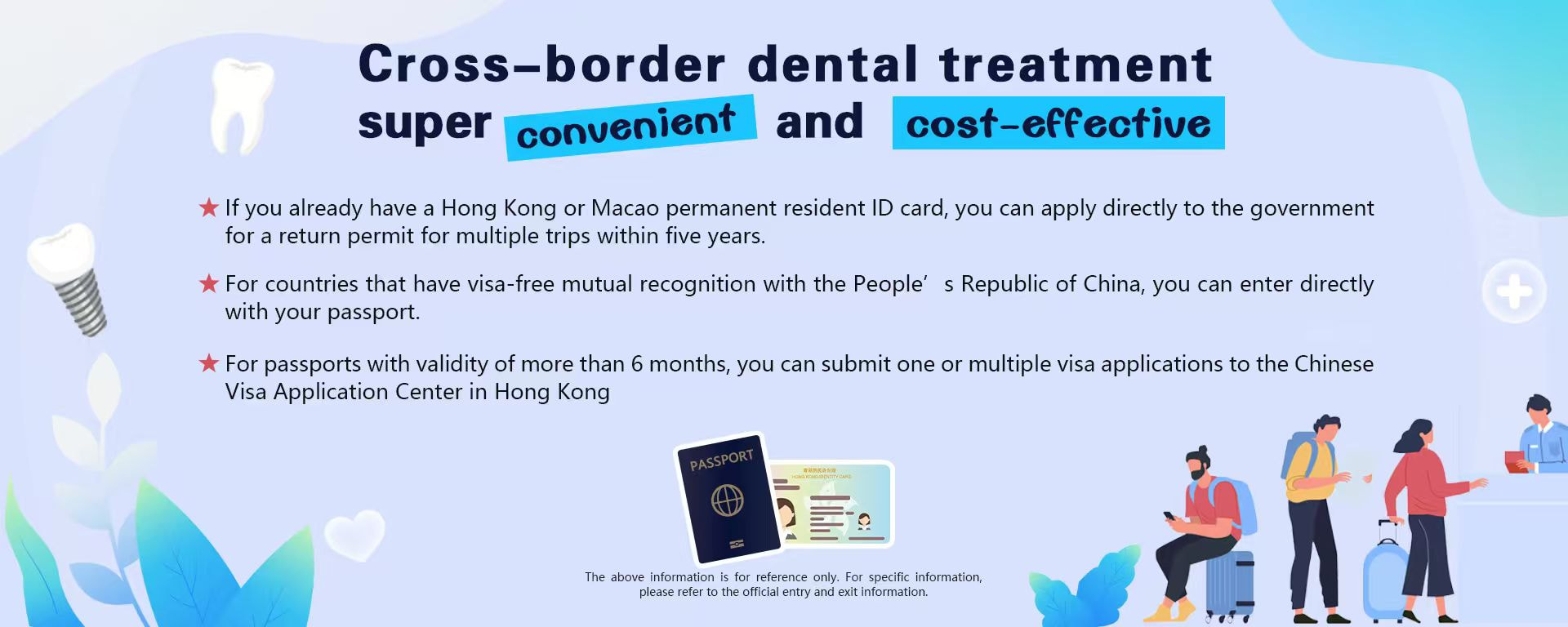
In recent years, many residents of Hong Kong have considered traveling to mainland China for dental treatments, with root canal therapy being a popular choice. The advantages are numerous: more dental options, quicker appointments, and comparable expertise. However, a common question arises: should you stop taking anti-inflammatory medication before undergoing root canal treatment in China? This inquiry is not only crucial for the treatment’s efficacy but also directly impacts your safety and post-treatment recovery.
**What Are Anti-inflammatory Drugs and Why Are They Taken?**
Toothaches or gum swelling are often caused by bacterial infections. Anti-inflammatory drugs, especially antibiotics, help control the spread of infection, reduce inflammation, and temporarily alleviate pain. Some individuals might self-medicate with antibiotics before visiting a dentist, while others may receive a prescription from their dentist prior to treatment to minimize bacterial count for smoother procedures.
**Considerations for Medication Before Traveling to Mainland China**
Ideally, before heading to mainland China for root canal treatment, you should carry a list of all current medications, including names, dosages, and schedules, for reference by your dentist. Different dentists have varying protocols regarding medication; some may suggest continuing medication to control inflammation, while others might recommend pausing it based on your oral condition.
**Why Would a Dentist Suggest Stopping Medication?**
Sometimes, if antibiotics have already managed inflammation well, and the dentist observes a reduced infection range, they might consider pausing the medication temporarily to assess the situation better. Another instance is when a specific antibiotic is difficult to procure locally; the dentist may prefer prescribing an alternative to ensure effectiveness. Additionally, overuse of antibiotics can lead to antibiotic resistance; hence, some dentists might aim for the shortest duration and precise dosage to address the issue.
**Risks Associated with Self-Discontinuing Medication**
Some people assume stopping medication a couple of days before the treatment is harmless. However, this action carries risks. Firstly, discontinuation could exacerbate the infection, worsening tooth pain, causing gum swelling, or even fever. Secondly, the inflammation might spread beyond the tooth root, complicating the treatment, or leading to delays. Thirdly, individuals with lower immunity may experience acute symptoms upon stopping medication, resulting in unnecessary discomfort and risk.
**The Importance of Communication with Your Dentist**
Communication with both your Hong Kong and mainland dentists about your medication is essential. If you obtain a prescription in Hong Kong and bring medication to mainland China, you must inform the local dentist to ensure a safe and effective treatment plan. Never conceal your medication history due to concerns over inconvenience or cost.
**Preparation and Check-Up Before Traveling**
In addition to medication records, consider undergoing a dental check-up and possibly an X-ray to assess the infection situation before traveling. Discuss your root canal treatment plan with your dentist, such as the number of roots to address, expected completion timeline, and any additional need for anti-inflammatory drugs. This ensures the mainland dentist has enough information to decide whether to stop, change, or continue your original medication.
**Post-Treatment Care and Follow-Up**
Root canal treatment is not typically completed in a single visit and often requires one to two additional sessions to seal the tooth adequately. Even after the initial procedure abroad, regular follow-up check-ups in Hong Kong are crucial. If continuing antibiotics post-treatment, adhere strictly to your dentists instructions without altering doses to avoid affecting recovery progress.
**Conclusion**
There isn’t a definitive answer to whether you should stop taking anti-inflammatory medication before going north for root canal treatment. The decision depends on your inflammation severity, medication type, and the dentist’s clinical judgment. The safest approach involves thorough communication with your dentist, carrying all medication details, and refraining from self-modifying your regimen. Remember, dental health is closely linked to overall well-being, so don’t underestimate the importance of thorough preparation.
















