





# Does Going to Mainland China for Root Canal Treatments Affect Your Teeths Structure?
In recent years, many people have opted to go to mainland China for root canal treatments, seeking alternative dental care or more flexible scheduling. However, concerns have arisen about whether potential mishaps during these procedures could adversely affect the tooth structure in the long term. In this article, well explore this issue from a practical standpoint.
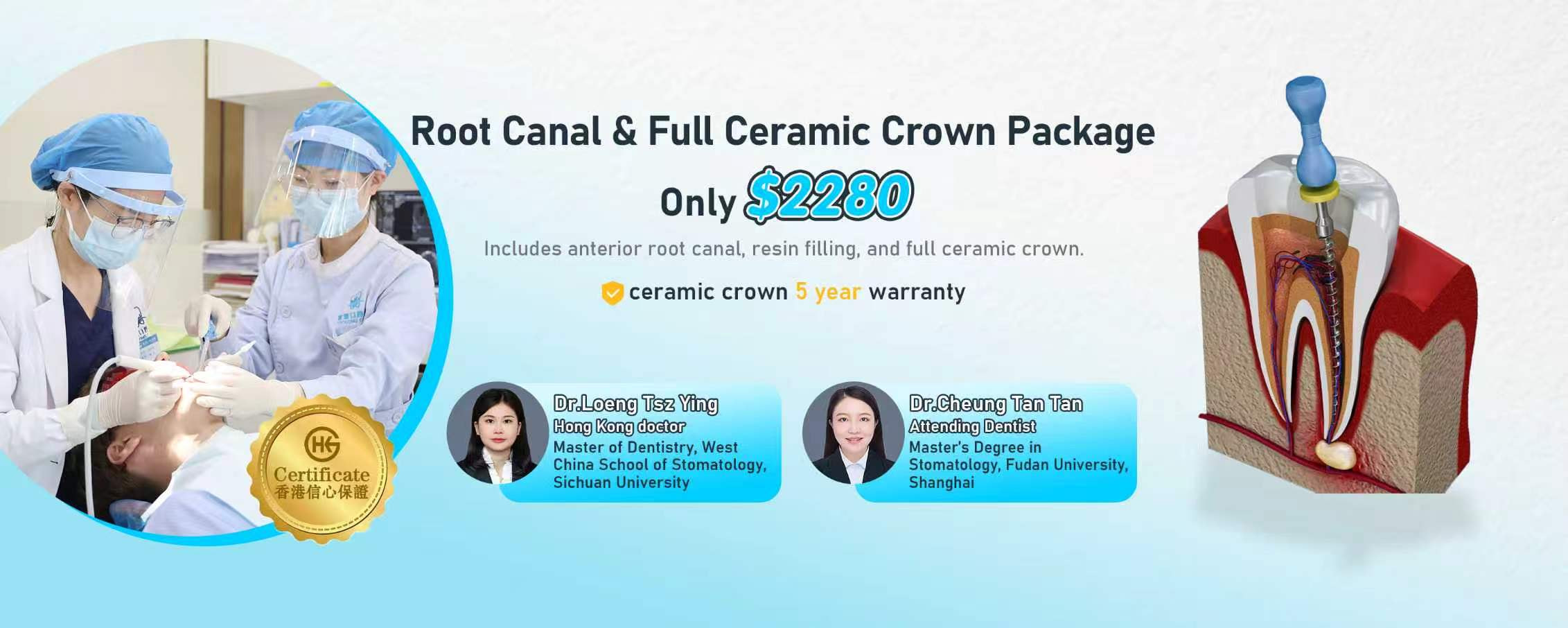
A root canal is a dental procedure aimed at salvaging a tooth that is severely decayed or infected. The process involves removing the tooths pulp and infected tissues, followed by disinfection and sealing, and eventually, placing a crown for protection. Technically, if performed meticulously, a root canal can maintain the tooths external structure, allowing you to continue using your natural teeth for chewing.
Nevertheless, if the procedure lacks precision, or if the equipment is not handled properly, the tooth structure could suffer. Issues include excessive force during pulp removal, leading to thinner root walls; poor sealing that allows bacteria to reinvade; or a mismatched crown that leads to uneven pressure distribution, potentially affecting tooth stability over time.
The impact of going to mainland China for root canal treatments hinges not on the location but on the dentists expertise and approach. Both mainland and Hong Kong have skilled dentists as well as novices. The difference lies in who you choose, the techniques they employ, and whether they adhere to standardized procedures. Additionally, equipment quality and thorough sterilization are crucial—since root canal treatment involves penetrating the tooth structure, inadequate sterilization could quickly lead to dental issues.
An often overlooked aspect of seeking treatment in mainland China is follow-up care. Some patients complete the root canal procedure in one visit, but mild discomfort or bite irregularities might arise within months, necessitating further checks. If you live in Hong Kong, returning to mainland China for follow-ups may be inconvenient, posing a challenge for your teeths long-term health. Conversely, if the dentist provides clear post-treatment advice and you can schedule regular check-ups, the chance of structural impact is minimized.
From a practical perspective, whether you choose to have a root canal locally or in mainland China, your cooperation is crucial. Following the treatment, avoid using the treated tooth to bite hard objects immediately and adhere to the dentists hygiene and dietary recommendations, such as daily flossing, keeping teeth clean, and regular bite assessments. Incorrect biting can also exert pressure on the teeth, gradually weakening or even cracking the root structure.
Theres a concern that teeth might become fragile post-root canal, which is medically valid. Without internal blood supply and nervous system support, the tooths resilience decreases. To safeguard tooth structure, most dentists recommend a crown to distribute pressure and prevent cracking. This approach can significantly reduce the risk of tooth damage.
In summary, heading to mainland China for root canal treatments isnt inherently detrimental to tooth structure. The key factors include the dentists proficiency, equipment conditions, adherence to treatment procedures, and your own post-treatment care. Rather than focusing solely on the location to assess safety, consider the dentist’s qualifications, clinical experience, and treatment plan. With a safe, attentive process and your cooperation, your teeth can continue serving you for years, enabling you to chew with confidence and smile naturally.
















