






**"Is Root Canal Treatment Noisy When Going North?"**
In recent years, many Hong Kong residents have become accustomed to traveling north to Shenzhen, Dongguan, or even Guangzhou to seek dental treatment. A common procedure many opt for is root canal therapy, which is a standard method to address pulpitis, root inflammation, or severe tooth decay. However, a lingering question remains on many minds: Will root canal treatment at mainland clinics be very noisy? This concern is particularly significant for those who fear the sound of dental equipment.
In reality, whether in Hong Kong or the mainland, root canal treatments utilize high-speed dental instruments that inevitably produce some degree of "buzzing" and "whirring" sounds. These noises are primarily due to the high-speed rotation of dental tools and the need to clean out infected tissue within the pulp and root. Its important to note that the loudness does not necessarily correlate with treatment effectiveness; it depends on the type of equipment, the dentists skill, and the clinics facilities. Some dental clinics in mainland cities have upgraded to newer models, which are quieter and vibrate less, thus enhancing patient comfort.
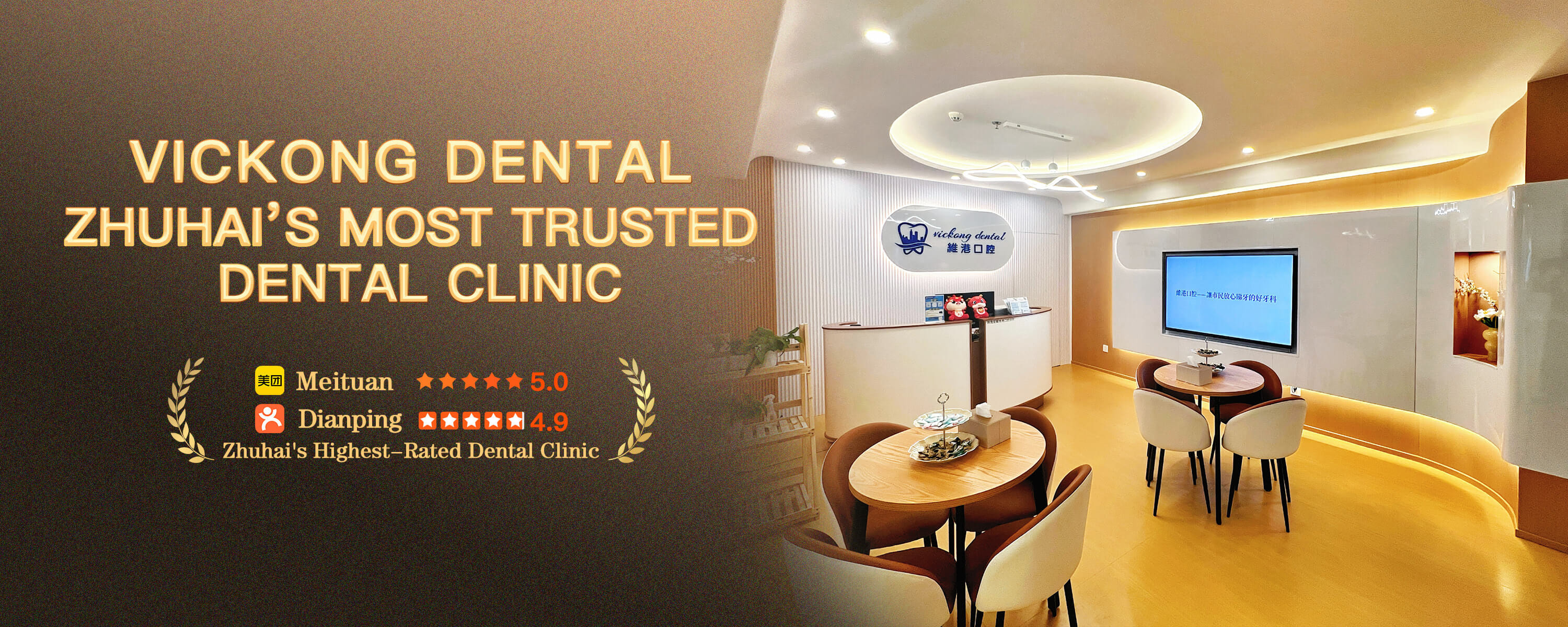
Many first-time visitors to mainland dental clinics tend to observe the equipment and sanitary conditions of the clinic environment. Modern clinics often employ individually sterilized dental tools and incorporate soundproofing measures to make the overall environment less "noisy." However, if youre particularly sensitive to dental equipment noise, you can discuss options with your dentist beforehand, such as arranging for quieter tools or using earplugs and listening to music to distract your attention during treatment. Dentists generally understand patients anxiety and will accommodate your needs.
Regarding concerns about whether mainland clinics will treat multiple patients simultaneously, thus creating a noisier environment, many clinics now separate treatment areas using partitions or private rooms. Root canal therapy often requires foc
used attention and patience, so dentists usually attend to one patient at a time without much external interference. In contrast, smaller clinics in Hong Kong might have waiting areas close to treatment zones, making noise more noticeable.
Moreover, noise perception can be influenced by psychological factors. Feeling tense might make you find minimal noise disturbing, while getting accustomed to dental sounds might make them seem like background noise. In unfamiliar environments like mainland dental clinics, it might take one or two visits to adapt. Its advisable to visit the clinic, and talk through the process with the dentist beforehand to alleviate anxiety, which naturally minimizes the pressure of noise.
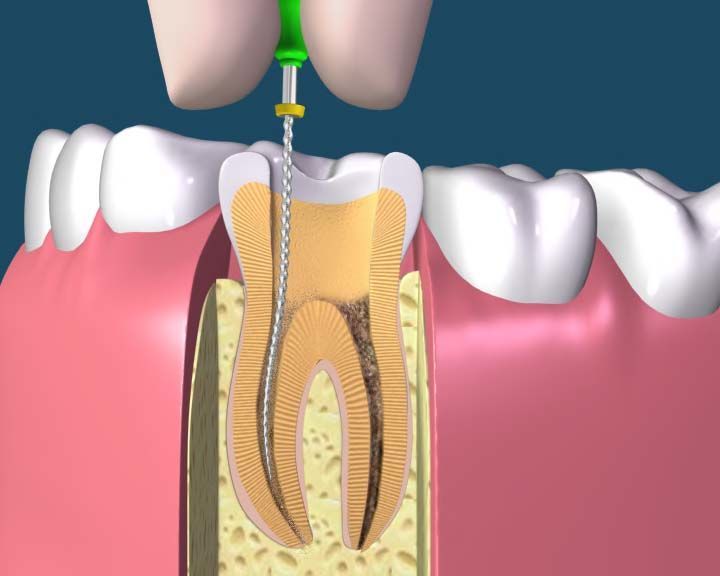
Patients have shared that dentists at mainland clinics often use a detailed approach to explain each step of the procedure, such as using models and photographs to help you understand the root structure and the process involved. They also pre-warn about possible sounds and vibration, which is crucial for psychological preparation because knowing what to expect reduces sudden surprises.
In summary, theres no absolute answer to whether "root canal treatment is noisy when going north." It depends on the clinics equipment, dentists skill, treatment environment, and your personal level of tolerance. Modern dental technology significantly reduces noise, and there are many strategies to improve patient comfort, including silent tools, soundproof rooms, and playing soft music. If concerned about noise, its best to address this when scheduling the appointment and understand the clinics facilities and arrangements.
Therefore, do not avoid necessary dental treatment due to fears of noise. Untreated pulpitis can lead to more severe root canal infections and affect nearby teeth and gum health. Whether in Hong Kong or mainland clinics, the key is to find a trusted dentist and a suitable environment, making even root canal treatment a relatively stress-free experience, allowing noise to not become a barrier to your healthy smile.
















