




### Understanding Root Canal Treatment Risks When Going to Mainland China
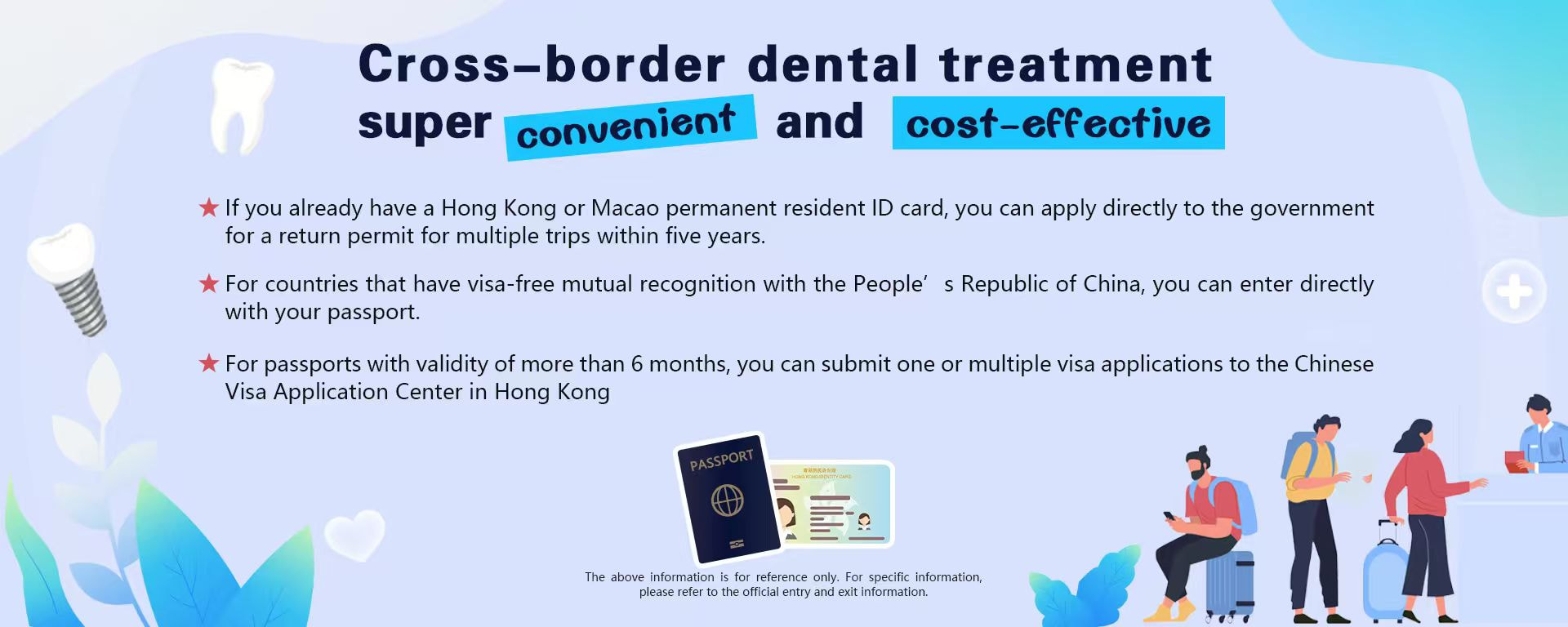
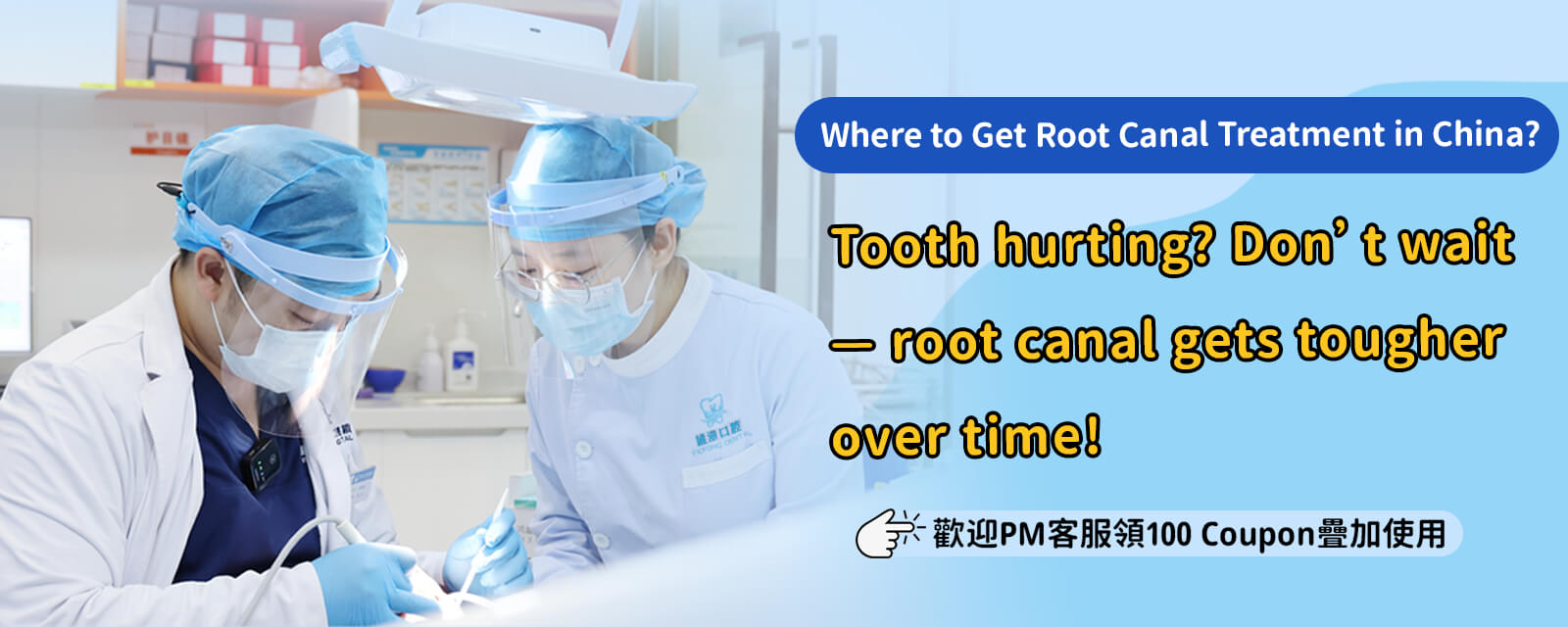
In recent years, many Hong Kong residents have considered traveling to Shenzhen or other cities within Mainland China for dental treatments, especially root canal procedures. This choice is primarily driven by two factors: firstly, dental services in Hong Kong can be busy and have extended wait times; secondly, people have heard that Mainland Chinas dental equipment has advanced, offering more options and convenience. However, a major concern for everyone is whether dentists in Mainland China can clearly explain all the risks and procedures involved in a root canal treatment.
When visiting a dentist in Hong Kong, whether in public or private practices, there is typically a standard "patient informed consent" procedure. Dentists explain the treatments purpose, steps, potential side effects, and risks, while also giving patients an opportunity to ask questions. This transparency reassures patients. Do dental clinics in Mainland China offer the same level of transparency? Many large dental clinics in significant cities have gradually adopted international standards. Before any treatment begins, they perform preliminary examinations, and dentists thoroughly discuss treatment plans, sometimes using 3D imaging to help clarify the procedures.
However, its important to note that medical practices vary across regions. Hong Kong patients are accustomed to actively asking questions, with doctors ready to provide detailed answers. Some Mainland Chinese dentists might be more focused on discussing treatment outcomes, with less emphasis on risk explanations unless asked for further details. Therefore, patients need to be proactive—dont hesitate to inquire to ensure a clear understanding of all potential scenarios, including the success rate of the root canal, possible discomfort during the procedure, and post-treatment care requirements.
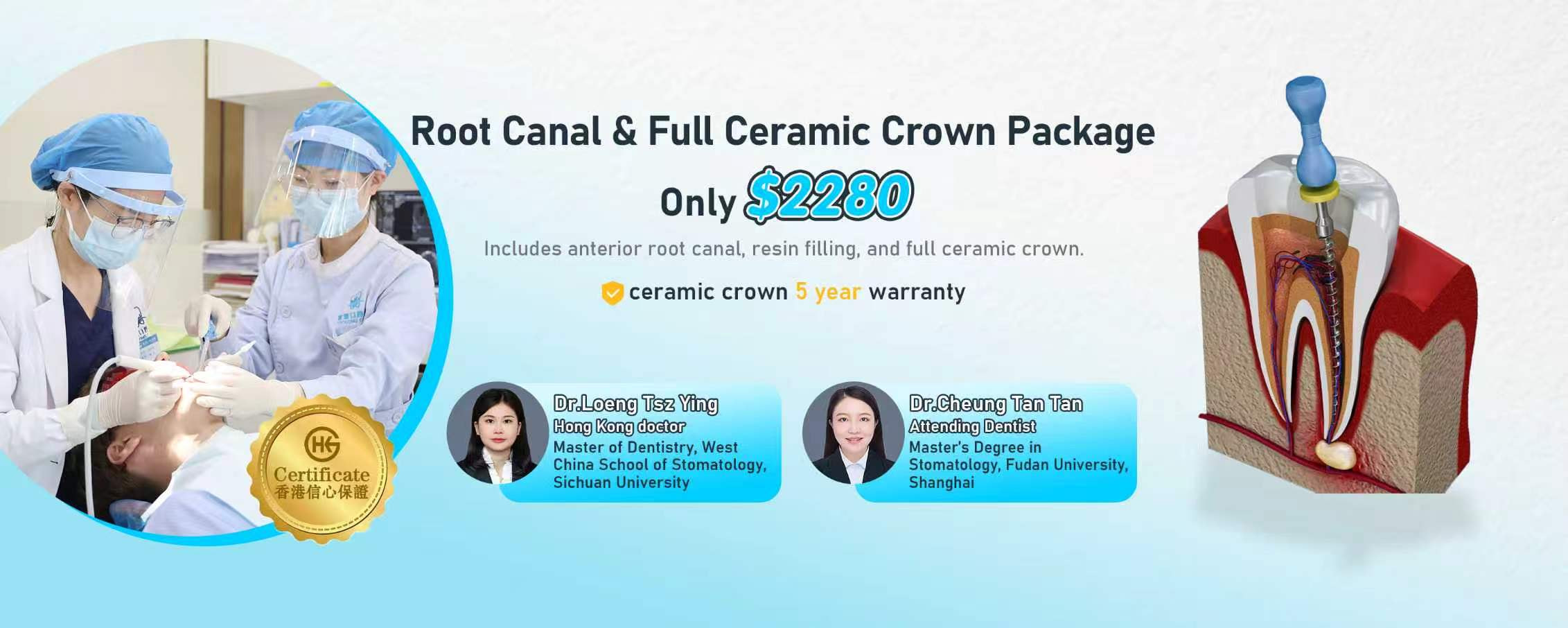
Furthermore, root canal treatment necessitates a high degree of precision, as it involves cleaning out infected tissues within the pulp chamber and root canals, then sealing them to prevent bacterial invasion. Risks may include pain during treatment, tooth fragility, or the need for a dental crown afterward for protection. Experienced dentists in Mainland China usually perform X-rays first a
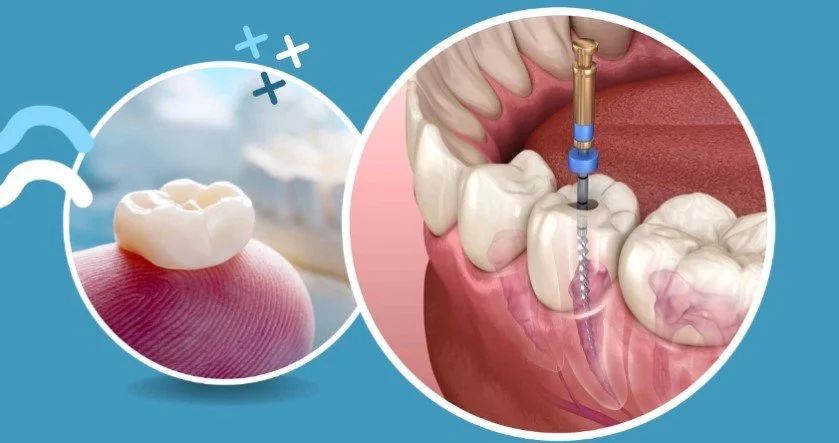
nd arrange multiple treatment sessions based on the situation, advising patients to avoid hard foods post-treatment. While these practices might be expected in Hong Kong, many professional dentists in Mainland China also offer meticulous care, albeit possibly with slight differences in communication styles.
Several Hong Kong patients share experiences where, during their first visit to a Mainland China dental clinic, dentists communicated in straightforward Mandarin (and sometimes even Cantonese) and provided written consent forms for signing. These documents outline treatment steps and major risks, allowing patients to review them later. Some clinics also inform you that should any unforeseen complexities arise during treatment, they will pause and reevaluate the plan with you. Overall, these practices differ little from those in Hong Kong; attentive listening and patience ensure clarity.
Of course, prior to traveling abroad for dental care, conducting thorough research is advisable. Identify reputable dental institutions, browse online reviews, and consult friends for their firsthand experiences. Also, remember to bring your dental records from Hong Kong, such as previous X-rays or doctor reports, to facilitate faster and more precise diagnostics. This preparation can enhance discussions and comprehension of treatment risks when abroad.
Ultimately, whether in Hong Kong or Mainland China, patients should be entitled to informed consent, with doctors obligated to clearly articulate risks and patients having the right to fully understand. Despite root canals being common dental treatments, all medical procedures entail uncertainties, so having the necessary information equates to ensuring safety. Seeking dental care in Mainland China doesn’t automatically mean taking significant risks; as long as you choose qualified, experienced, and communicative dentists, you can confidently undergo root canal treatment irrespective of location.
In summary, ensuring that dentists in Mainland China clearly communicate root canal treatment risks involves efforts from both sides: dentists must take the responsibility to explain, and patients should actively inquire, listen attentively, ask detailed questions, and retain information. This approach guarantees a safe, reliable treatment, even across borders.
















