





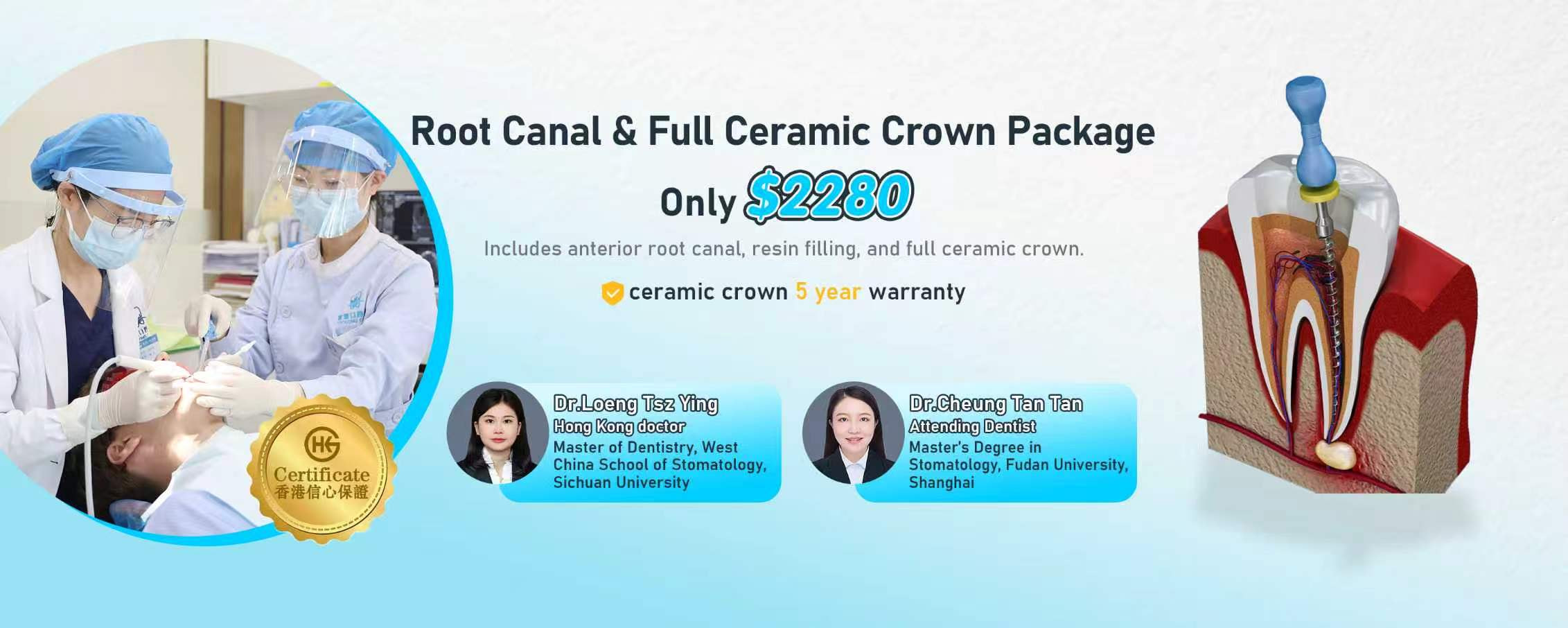


**Is It Necessary to Reduce Swelling Before Heading North for a Root Canal?**
In recent years, many Hong Kong residents have opted for root canal treatments due to dental issues. While some seek local dentists, others prefer heading north for faster and more convenient dental care. However, a common question arises: if the tooth is already swollen and painful, should you wait for the swelling to subside before undergoing a root canal? This question is related to both dental health and treatment principles. Lets explore the answer in a simple way.
**What is a Root Canal?**
A root canal treatment involves removing the infected or damaged pulp (including blood vessels and nerves) from the tooth, followed by cleaning and disinfecting the root canal, and finally sealing it to prevent further pain or deterioration. This procedure aims to preserve the tooth and avoid immediate extraction.
**Causes of Tooth Swelling and Pain**
Tooth swelling and pain are often linked to infections like pulpitis, periodontitis, or abscess near the tooth root. Prolonged tooth decay can allow bacteria to infiltrate the pulp, causing inflammation in surrounding tissues, and sometimes leading to swollen gums. The swelling can cause pain when chewing, and might also produce a persistent throbbing sensation.
**Can You Undergo a Root Canal When Swollen?**
Whether you can immediately undergo a root canal while swollen depends on the severity and extent of the infection. Dentists may provide temporary relief by administering medication to reduce inflammation, allowing the surrounding area to stabilize before proceeding with the treatment. This approach helps avoid discomfort during the procedure, as severe swelling can limit mouth opening and reduce local anesthesia efficacy.
**Benefits of Reducing Swelling First**
- **Minimized Procedure Pain**: When swelling is reduced, patients experience more comfort during treatment.
- **Enhanced Anesthesia Effects**: Excessive inflammation can diminish anesthesia effectiveness, whereas lower inflammation levels allow for optimal numbing.
- **Reduced Risk of Complications**: Severe swelling may impair the dentists view and tools during root canal cleaning, affecting treatment success.
**Signs That Swelling Has Stabilized**
Complete absence of pain isnt always necessary before proceeding. Significant reduction in abscess or gum enlargement, allowing normal mouth opening and eating, indicates stabilization. Dentists typically assess visually and through palpation, combined with patient feedback, to decide on the suitability for a root canal.
**Considerations for Cross-Border Treatment**
If planning root canal treatment across the border, and experiencing severe swelling, consult a local dentist first for anti-inflammatory or pain management. Ensuring inflammation is handled before traveling means you can focus on actual treatment rather than dealing with delays or multiple appointments. Remember, cross-border treatment involves time and travel considerations.
**Avoid Self-Treatment for Reducing Swelling**
Some people resort to painkillers or cold compresses for relief, but these methods only offer temporary comfort and dont address the infection. Untreated infections can worsen swelling, affecting nearby teeth and jawbone. It’s crucial to have a dentist evaluate the need for professional swelling reduction measures, such as antibiotics, drainage, before proceeding with a root canal.
**Conclusion**
Heading north for root canals is a popular choice among Hong Kong residents. However, if your tooth is already swollen, its vital to assess your situation first and not rush into treatment. Reducing swelling ensures a smoother and less painful treatment experience. Dental health is a long-term consideration, so plan your travel and treatment steps carefully for effective and safe results, even across borders.
















