








**Will My Tooth Turn Black After a Root Canal?**
Many people feel anxious upon hearing they need a root canal during their dental appointment. Aside from concerns about discomfort during the procedure, a frequent question is: "Will my tooth turn black after the root canal?" This query is prevalent, particularly among those who are conscious about their appearance and smile. Today, let’s explore the relationship between root canal treatments and tooth color changes in a straightforward manner.
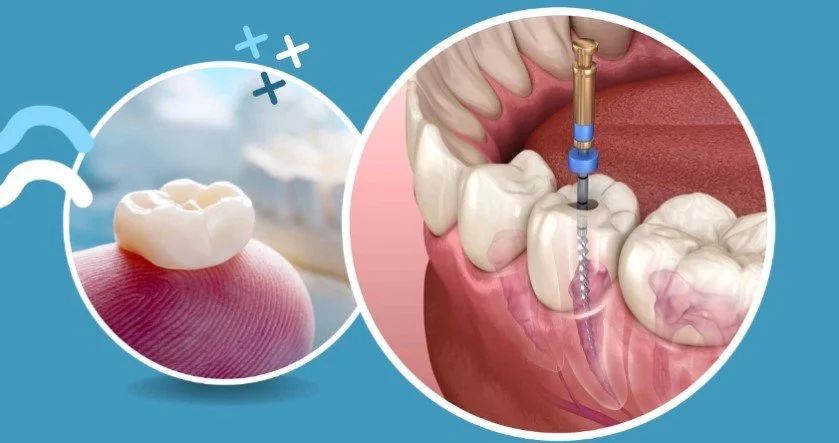
Firstly, what is a root canal? In simple terms, a root canal is a dental procedure performed when the pulp (the nerve and blood vessels inside the tooth) becomes inflamed or infected severely. The dentist removes the infected pulp, disinfects and seals the inside of the tooth, allowing the tooth to remain functional in the mouth. This method preserves the tooth’s structure, enabling continued chewing and biting without extraction.
Regarding color change post-root canal, it primarily occurs because the tooth loses its pulp and blood supply, leading to a potential alteration in its "nourishment" and vitality. This may result in slight color changes over time. Furthermore, the medications or sealing materials used during treatment can also darken the internal tooth color. Some may describe this as the tooth "turning black," but often it’s a more subtle change to darker shades of brown or gray.
However, the degree of tooth discoloration varies among individuals. For some, the change is barely noticeable, while for others, especially in anterior teeth, it can be more apparent, affecting the smile’s aesthetic. Posterior teeth, being less visible, may not impact daily interactions significantly even with minor discolorations.
Tooth discoloration is influenced by other factors, such as original tooth shade, dietary habits (consuming c
offee, tea, and red wine can stain teeth), and oral hygiene. Insufficient oral care can lead to plaque and tartar buildup, making teeth appear more yellow or brown. Therefore, maintaining excellent hygiene is crucial post-root canal to minimize additional discoloration.
Addressing post-root canal tooth color issues is feasible with various dental restoration options. For instance, placing a crown on the treated tooth shields its structure from fracture and aligns its color with adjacent teeth, masking internal color changes. In certain cases, internal bleaching might be considered, but this requires a dentists evaluation to determine suitability.
Despite the possibility of tooth darkening following a root canal, avoiding necessary treatment due to such fear is inadvisable. If a tooth is severely infected or causing pain, delaying care can worsen the situation, potentially leading to tooth extraction. Preserving your natural teeth is advantageous for health and chewing efficiency over relying on dental prosthetics. Moreover, advancements in dental restoration techniques allow effective management of aesthetic concerns.
In summary, whether a tooth turns black post-root canal depends on individual dental condition, treatment specifics, and follow-up care practices. For posterior teeth, hidden location may mean discoloration causes less worry. Nonetheless, timely treatment is vital, and communicating with your dentist about the procedure and restoration options ensures both dental health and a beautiful smile.
Therefore, if you or a friend needs a root canal, dont decline solely due to color concerns—health should take precedence. Seek an experienced dentist, practice excellent oral hygiene, and use appropriate restoration methods to keep your teeth strong and aesthetically pleasing, allowing you to smile confidently.
















