








**Root Canal Treatment in Mainland China: Are There Long-Term Side Effects?**
In recent years, many Hong Kong residents have been seeking dental services in Shenzhen and other mainland Chinese cities to save time and money. One of the common procedures pursued is root canal treatment. However, theres a growing concern about whether seeking dental care in mainland China could lead to long-term complications. In this article, well address this issue using easy-to-understand Cantonese insights, providing a comprehensive analysis to ease your concerns.
**What is Root Canal Treatment?**
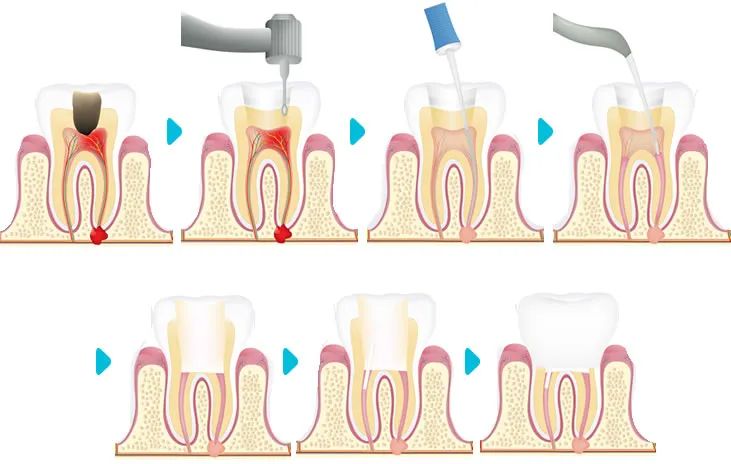
Root canal treatment is a method used to treat inflammation or infection of the dental pulp. When the nerves inside a tooth become infected due to cavities, cracks, or trauma, the dentist will clean out the necrotic tissue and bacteria from the root canal, seal it, and preserve the tooth without immediate extraction. For many who want to retain their natural teeth, this procedure is an essential option.
**Differences Between Mainland and Local Treatment**
The most obvious difference when opting for dental treatment in mainland China is the proximity and variety of options. Many cities in mainland China are equipped with advanced dental clinics, and some dentists are quite experienced. However, there can be differences in standards, materials, sterilization procedures, and even communication styles based on location. Hong Kong residents traveling to a different healthcare environment may need to adjust to those differences.
**Are Long-Term Complications Possible?**
Root canal treatment is a delicate dental procedure that requires meticulous handling deep within the tooth roots. If the treatment is not thorough—if bacteria are not entirely removed or the sealing is inadequate—complications may arise later, potentially necessitating a redo of the procedure.
Common potential long-term effects include:
1. **Tooth Fragility**: After a root canal treatment, the tooth loses its nerve, resulting in lack of nutrition supply and increased brittleness, often necessitating a crown for protect
ion.
2. **Reinfection**: Inadequate sealing or new cracks in the tooth can allow bacteria to re-enter.
3. **Gum or Surrounding Tissue Issues**: Post-treatment, poor oral hygiene can still pose risks to the gums and surrounding tissues.
**How to Minimize Complications?**
Whether opting for treatment in Hong Kong or mainland China, selecting an experienced and meticulous dentist is crucial, ensuring clinic sterilization meets the required standards. Effective communication is also vital; understanding the dentists plan, such as materials used or the necessity for crowns, is important.
Post-treatment, self-care is essential:
- Regular check-ups to ensure no recurrence
- Maintain tooth cleanliness with brushing and flossing twice daily
- Avoid biting hard foods to reduce the risk of cracks
**Is Going North Worth It?**
The decision largely depends on personal circumstances. If you have a trusted dentist in mainland China, or if friends have recommended one, and you are comfortable with different medical cultures, then opting for mainland treatment can be convenient. However, if you are concerned about communication, standards, or follow-up services, you might find greater peace of mind getting treated in Hong Kong, particularly for treatments requiring long-term maintenance.
**Conclusion**
Root canal treatment in mainland China does not inherently lead to long-term side effects; the key lies in the quality of the treatment and subsequent care. Dental treatments are not one-off procedures and often require personal oral hygiene accountability and regular check-ups to maintain results. Regardless of the location, selecting the right dentist, clarifying the details, and ensuring post-treatment care are essential steps to minimize risks.
If you frequently travel north or have specific reasons for pursuing dental treatment in mainland China, consider scheduling your check-ups and follow-up plans in advance to protect your dental health and alleviate concerns about long-term complications. Remember, like any part of the body, teeth require long-term care above all else.
















