









**Does a Root Canal Affect Your Sense of Taste?**
When people in Hong Kong hear the term "root canal," they often feel anxious, fearing that the procedure might also diminish their sense of taste. But does a root canal really affect your eating experience? Understanding the principles and process of root canal treatment can put your mind at ease.
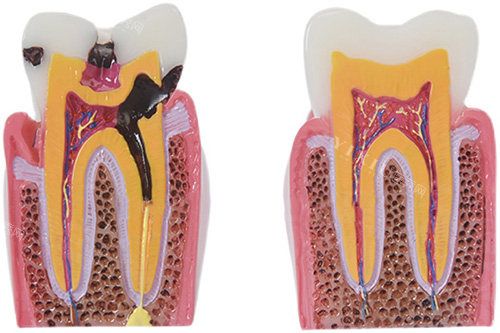
Firstly, a root canal is a common dental procedure aimed at removing the infected or necrotic pulp inside the tooth, thus protecting the tooth structure and preventing further decay. Typically, the dentist will numb the area, clean out the infection inside the tooth, seal it with a filling, and possibly place a crown for added protection. This procedure primarily targets the interior of the tooth, not the outer surface.
After undergoing a root canal, you may experience some initial discomfort while eating, especially within the first couple of days post-surgery, as the tooth and surrounding gums might feel tender and sensitive. However, this is part of the normal recovery process; as your tooth adjusts, the discomfort should subside.
Some people worry that a root canal might lead to a loss of "taste" or "sensation." In reality, taste perception largely relies on your tongue and nasal passages, while teeth are responsible for biting and grinding food and do not directly involve taste. Therefore, a root canal wont affect your ability to enjoy flavors. What changes is the loss of nerve sensitivity in the tooth, possibly decreasing its responsiveness to temperature and pressure—changes that have minimal impact on everyday eating.
If left untreated, a tooth infection can spread, causing significant pain and making chewing difficult. The advantage of a root canal is that it preserves your natural tooth, preventing extraction and restoring normal eating function. Many patients find that after the initial recovery period, t
hey can chew hard foods just as they previously did, sometimes experiencing more stable chewing because the tooth structure is preserved.
Its important to note that a tooth that has undergone a root canal loses nerve supply, potentially reducing its resilience. For this reason, dentists often recommend placing a crown to protect against fractures when biting hard foods. Teeth with crowns may feel slightly different in terms of tactile sensation, such as a reduced sense of "vibration" when biting, but most people adjust quickly without significant issues.
To ensure a smooth recovery, its advisable to consume softer foods like congee, steamed eggs, and soups in the first few days after surgery, giving your tooth time to heal and adapt. Once the tooth is no longer painful or tender, you can gradually return to your normal diet. Maintaining good oral hygiene to prevent re-infection of the treated tooth is essential for preserving chewing function.
Another crucial aspect is psychological adjustment. Some individuals have lingering fears about dental treatments, becoming excessively cautious post-surgery. By following dental advice and chewing carefully, theres no need to overly restrict your eating habits.
In summary, a root canal does not directly impact your sense of taste; it primarily alters the tactile sensation of the tooth, which has minor effects on daily life. Conversely, the treatment helps retain your tooth, reducing pain and inconvenience, allowing you to continue enjoying meals. If your dentist recommends a root canal, dont shy away due to concerns about eating sensations—prompt intervention is the healthiest choice.
Maintaining dental health is vital for enjoying life. A root canal helps extend the longevity of your teeth, ensuring you can safely indulge in your favorite foods without pain or worry, leading to a more comfortable living experience.
















