




**Do Root Canal Dentists in Mainland China Speak Mandarin or Cantonese?**
In recent years, many Hong Kong residents have considered traveling to mainland China for dental treatments for various reasons. Among these, root canal treatment is a popular option. However, when it comes to seeking dental care across the border, its not just the medical expertise and equipment that matter. Theres a practical concern that also plays a significant role in shaping the overall experience and outcome of treatment—the language spoken by the dentist, whether it’s Mandarin or Cantonese.
**The Situation with Root Canal Treatments in Mainland China**
Typically, cities in mainland China, especially those in Guangdong Province like Shenzhen and Guangzhou, are geographically close to Hong Kong, so many healthcare professionals are able to communicate with patients in Cantonese. However, if youre venturing beyond Guangdong Province to cities such as Shanghai or Beijing, Mandarin is the primary language of communication, with fewer doctors proficient in Cantonese. Therefore, if your Mandarin isn’t fluent, effective communication prior to your visit is crucial.
**The Relationship Between Language and Treatment Outcomes**
Root canal treatments are not quick processes and usually require multiple visits. Dentists will explain the treatment steps, important precautions, and aftercare instructions. A language barrier can easily lead to misunderstandings or missing out on crucial care details, potentially affecting recovery. Before your appointment, its advisable to confirm whether the clinic has staff who can communicate in Cantonese to reduce misunderstandings and communication costs.
**How to Choose the Right Dental Clinic for You**
1. **Call Ahead**
Before setting off, call the clinic to ensure there are staff or dentists who can speak Cantonese. If your Mandarin is decent, you’ll have more flexibility.
2. **Read Online Reviews**
Many clinics now have profiles on social media or medical review sites where patients share their language experiences. Look out for the keyword "Cantonese service."
3. **Word of Mouth**
Ask friends or colleagues if they’ve visited the same clinic. First-hand experiences are often the most reliable.
4. **Consider Location and Facilities**
If the clinic is conv
eniently located and allows communication in your preferred language, the treatment process will be more reassuring.
**The Language Environment for Dentists in Mainland China**
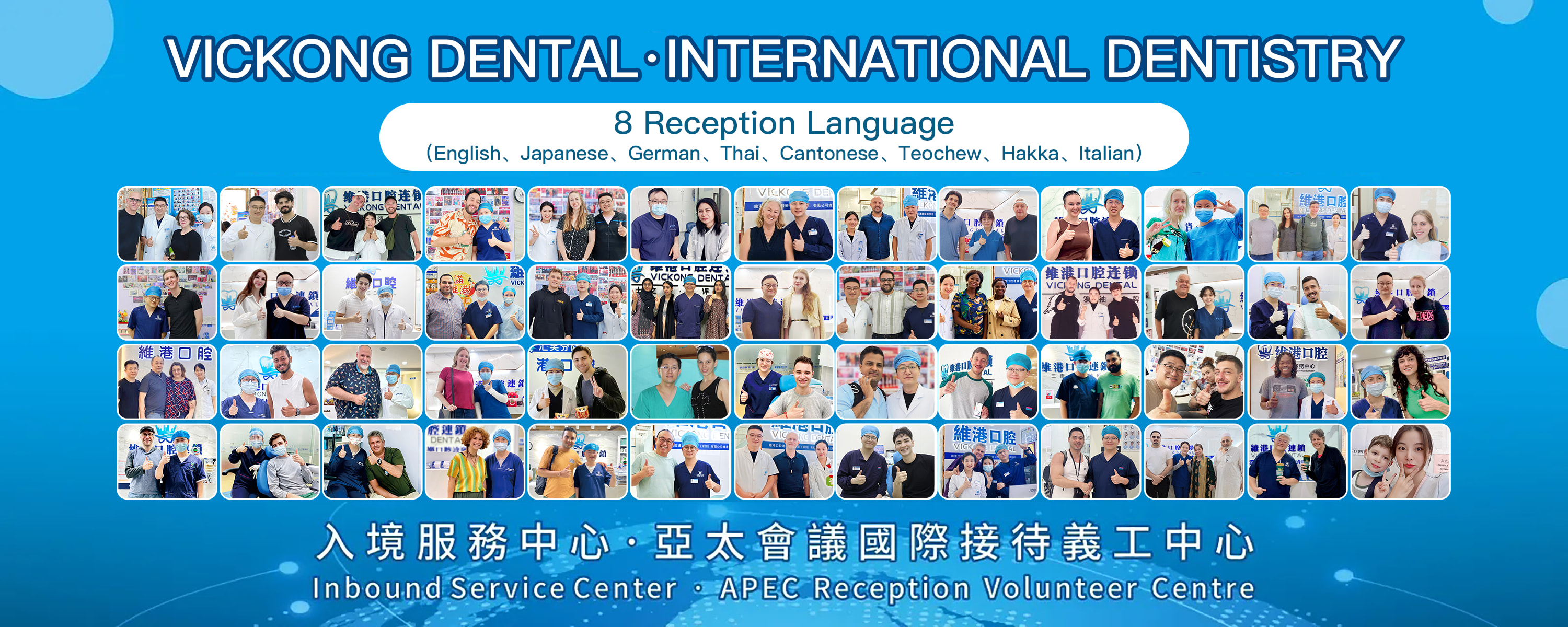
In neighboring cities such as Shenzhen, Guangzhou, and Zhuhai, many doctors are accustomed to offering bilingual or trilingual services (Cantonese, Mandarin, and English) due to the high volume of Hong Kong patients. However, be aware that some younger dentists might predominantly use Mandarin for technical terms, even though they are capable of conversing in Cantonese daily. Its important for patients to patiently ask for clarification at each step.
In other provinces, like Jiangsu and Zhejiang, Cantonese service is not guaranteed. While the professional standards of dentists in these areas are generally high, if you are not comfortable in Mandarin, extra preparation is necessary, such as learning essential Mandarin dental terms or bringing a Mandarin-speaking friend.
**Tips: Stress-Free Communication**
- **Prepare Dental Vocabulary**: Write down the Mandarin pronunciation of terms like pulp, crown, and temporary fillings.
- **Use Visual Aids or Gestures**: Before visiting the dentist, take photos of the dental issues to help the doctor understand.
- **Confirm Post-Treatment Care**: Don’t hesitate to repeat your questions to ensure you understand all aftercare instructions.
- **Follow-Up Appointments**: Some treatments require revisits, so make sure you know how to contact the clinic and inquire about language support.
**Conclusion**
Whether your dentist in mainland China speaks Mandarin or Cantonese mainly depends on the location and the clinics profile. In Guangdong cities, encountering a Cantonese-speaking dentist is quite common, but elsewhere, Mandarin is the norm. Effective communication with your dentist is vital in any medical process, especially for precise procedures like root canal treatments, as proper language comprehension ensures a smoother and more reassuring treatment experience.
Therefore, regardless of your Mandarin proficiency, its essential to do your homework beforehand and find a clinic where language won’t be a barrier, allowing you to focus on the treatment itself and reduce anxiety. This preparation will ensure a more pleasant experience when seeking dental care across the border.
















