







Title: What Does Root Canal Failure Feel Like?
Root canal treatment is a common dental procedure primarily used to address infected or inflamed dental pulp, with the goal of preserving the original tooth. However, not all treatments succeed completely, and sometimes, due to various factors, the result might be less than desirable, leading to what is termed a "root canal failure." So, if one unfortunately encounters such a failure, what kind of sensations might one experience in the body or mouth? Today, we’ll explore this issue in a way that resonates with the lifestyle of Hong Kong residents.
Firstly, the most common sensation is **persistent toothache**. A successful root canal treatment usually leads to pain reduction during the recovery period, ultimately disappearing. However, if the treatment fails, the pain may persist and even become more pronounced. This kind of pain is not always severe but can be a dull, uncomfortable feeling, triggered sometimes by biting down or consuming hot or cold drinks.
The second common reaction is **sensitivity to hot and cold**. If bacteria remain or inflammation is not completely cleared after treatment, the tooth’s neural area may still react. Drinking cold beverages like iced tea or hot soups may cause the tooth to "flash" with pain suddenly. This sensitivity not only affects the mood when eating but may also lead to avoiding chewing on that side, which over time can impact your bite habits.
Thirdly, there may be **swelling or redness of the gums**. Failed root canal treatments might infect the tissues surrounding the tooth, causing the gums to swell. You may feel with your tongue that they are soft or slightly painful. Sometimes tiny abscesses, resembling small white spots, might appear on the gums, and if pressed, pus might ooze out, which often indicates infection.
Speaking of chewing, some individuals may notice **pressure or soreness in the tooth when biting**. Normally, eating is a natural act, but when the treatment fails, the biting force makes the affected tooth uncomfortable, as if there is pressure or something pressing against it. Th
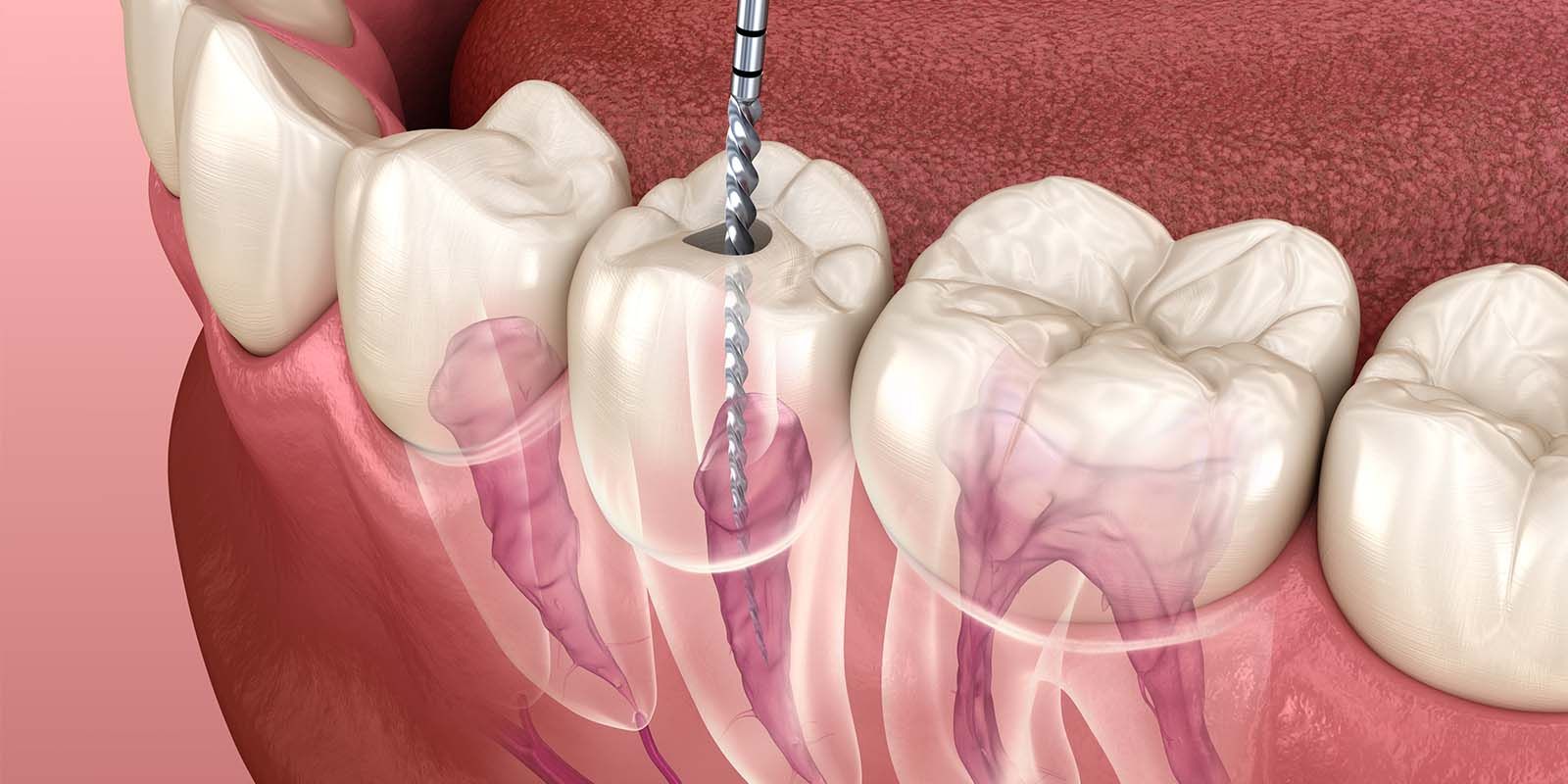
is may make you hesitant to use that side to bite hard foods, gradually increasing the burden on the teeth on the opposite side.
Another often overlooked issue is **bad breath**. Residual infection or inflammation inside the tooth roots can foster bacteria growth, leading to a persistent, unremovable odor despite rinsing or brushing. This bad breath not only impacts interactions with others but may also cause personal embarrassment.
Besides oral symptoms, severe failures might cause **mild facial swelling**. If the infection spreads to adjacent tissues, the cheek or jaw may feel slightly swollen with a warm sensation. Although it might not entirely change your appearance, mild changes in look and perceptible abnormalities can bring psychological stress.
Speaking of psychology, the experience of root canal failure brings not only physical pain but also mental effects. Concerns about toothache, inconvenience while eating, and potential worsening of the situation may lead to irritability and sleep disruption due to pain. Over time, this impacts work efficiency and overall quality of life.
The causes of failure are complex and may include incomplete removal of infection during treatment, concealed cracks in the tooth structure, or insufficient post-treatment care such as poor oral hygiene or missed follow-up visits. The best preventative measure against failure is maintaining good oral cleanliness post-treatment and regularly visiting the dentist to ensure stable tooth conditions.
In summary, the sensations from root canal failure can range from mild sensitivity and discomfort to serious persistent pain and swelling, possibly coupled with bad breath and chewing issues. The fast-paced lifestyle in Hong Kong doesn’t allow for prolonged toothaches or eating interruptions, so if you suspect related symptoms, it’s best to consult a dentist promptly for examination and timely intervention, preventing the situation from worsening.
Remember, dental health is not just a component of appearance or smile but involves overall health and quality of life. Protecting your teeth means protecting yourself.
















