








**How to Determine If You Need a Root Canal**
In Hong Kong, dental health issues remain common despite daily brushing habits. One of the more complex treatments in dentistry is the root canal. Many people feel anxious when they hear about needing a root canal and wonder if it’s really necessary. Understanding when a root canal is needed can help alleviate fear and enable you to find the right treatment faster.
**When Might You Need a Root Canal?**
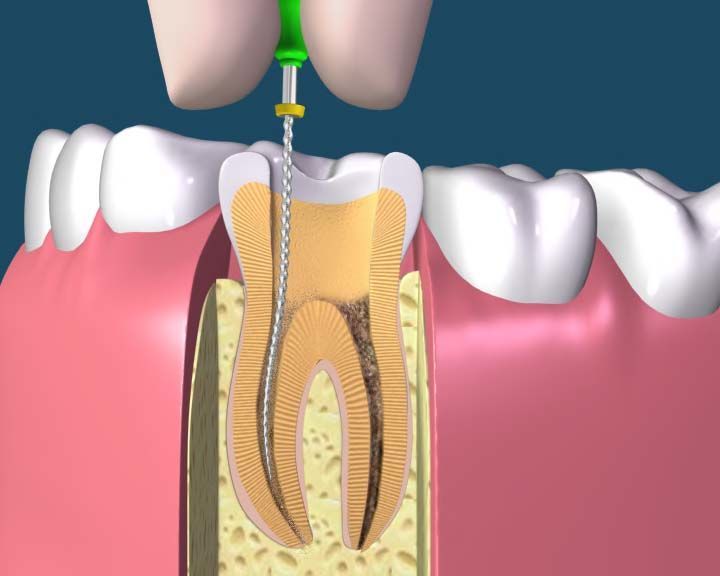
Typically, a dentist recommends a root canal when the dental pulp inside your tooth is infected, inflamed, or severely damaged. The dental pulp, often referred to as the tooths "lifeline," contains nerves and blood vessels. If issues with the pulp are not addressed, the infection can spread and possibly affect the entire jawbone.
**Common Signs to Watch Out For:**
1. **Persistent Toothache**
Tooth pain is one of the most obvious warning signs. If the pain occurs even when not eating and wakes you up at night, the pulp may be irritated or infected. This pain is deeper and more intense than the usual cavity pain.
2. **Sensitivity to Hot and Cold**
Ordinarily, drinks of different temperatures do not affect you. But if you suddenly experience sharp pain with both hot and cold temperatures, which lasts for several seconds or longer, this increased sensitivity may be a sign that your pulps health is deteriorating.
3. **Swollen Gums or Pus Formation**
If you notice small "boils" on your gums, these may be pus formations caused by infection, often related to pulp issues.
4. **Tooth Discoloration**
If a tooth suddenly turns gray or dark, it could indicate pulp necrosis or disrupted blood flow.
5. **Pain When Biting**
If biting something hard causes significant pain, it might not just be surface sensitivity but could indicate an infection a
ffecting the tooth’s stability.
**How to Confirm?**
Self-assessment may not always be accurate since other issues such as tooth cracks or gum disease can present similar symptoms. The best course of action is to visit a dentist if you notice any of the above symptoms. A dentist will use X-rays and a professional examination to assess whether the pulp is problematic, deciding if a root canal is necessary.
**What Happens If Ignored?**
Ignoring an infected pulp can lead to bacteria spreading quickly to gums and bones, resulting in severe gum disease or bone loss. At this point, not only might a root canal be needed, but also possibly tooth extraction or more complex treatments. The longer you wait, the more difficult and risky the treatment becomes.
**Root Canals Are Not Scary**
While a root canal is an intensive procedure, modern dental technology makes the process much more comfortable than many expect. Successfully completing a root canal can save your natural tooth, preserving both chewing function and aesthetics, contributing positively to your overall health.
**How to Prevent a Root Canal?**
Prevention is always the best strategy. Maintaining good oral hygiene, brushing twice a day, flossing, and regular dental check-ups can greatly reduce the risk of pulp infection. Remember, early treatment of small cavities often prevents the need for a root canal.
**Conclusion**
Not everyone needs a root canal, but if you experience persistent pain, temperature sensitivity, swollen gums, or tooth discoloration, it’s crucial to be vigilant. Visit a dentist promptly to understand the cause and seek early treatment to save your tooth and avoid additional pain and complications. Teeth are essential lifelong companions, and taking good care of them ensures you can smile confidently and comfortably.
















