




**Does Going North for Root Canal Treatment Affect Eating Habits?**
In recent years, more and more Hong Kong residents are opting for cross-border healthcare, especially for dental treatments such as root canal therapy, which require specialized skills and time. Naturally, people are curious about whether undergoing a root canal treatment up north will impact their eating habits. Its a topic worth exploring in detail.
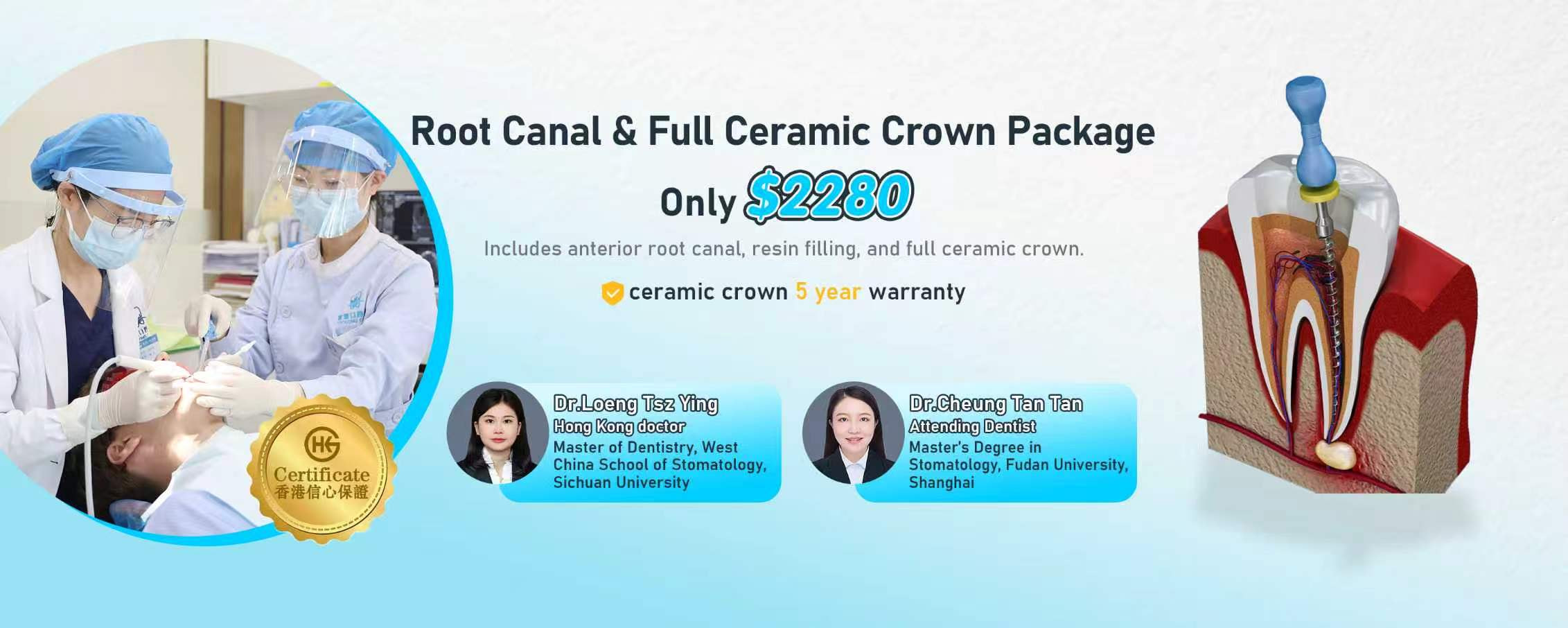
Root canal therapy addresses infections or inflammation within the tooth, allowing it to be preserved instead of extracted. After the procedure, the tooth loses its nerve, but if properly managed, its appearance and chewing function can closely resemble normal conditions. Initially, the treated tooth may be slightly "fragile." Therefore, whether the procedure is done locally or abroad, dentists typically advise avoiding very hard or sticky foods until the tooth stabilizes.
Several factors determine if eating habits will change following a root canal treatment abroad. Firstly, the treatments quality and materials used are crucial. If durable materials are applied and the restoration is accurate, most of ones regular diet can be resumed within weeks. However, if a crown is necessary for protection, it may be best to wait until the crown is fitted before returning to preferred foods. Secondly, theres a personal adaptation period. Some people might psychologically fear exerting too much force when chewing, gradually altering their eating habits, like chewing on the opposite side or choosing softer, less fibrous foods. These adjustments can signify changes in eating habits.
Moreover, some individuals take advantage of their trips for treatment by purchasing various Mainland foods to try back home. The treatment typically requires several follow-up visits and waiting periods,
during which different types of local food can be sampled. Subtle exposure might influence daily dietary preferences. For instance, after discovering a dish thats easy on the teeth and tasty, they might seek similar flavors upon returning to Hong Kong. Surprisingly, a dental procedure can spark a shift in eating habits.
However, its crucial not to overlook the care needed during the tooths recovery phase. Post-root canal, the tooth loses nerve sensitivity to temperature changes, but this doesnt mean you can indiscriminately consume very hard, hot, or cold foods. Extremely hard items might cause fracture in the treated tooth, while excessive heat or cold can still irritate surrounding gums. Regardless of where the treatment occurs, gradually return to normal eating habits and avoid instantaneously reverting to a pre-treatment "anything-goes" approach.
Heading north for treatment offers not only diverse medical options but also opportunities to experience different cultures and cuisines. However, maintaining dental and overall health requires mindful dietary control. Use the recovery period as a chance to reduce excessive sugar, high starch, or overly stimulating foods, switching to more vegetables, fruits, and high-quality proteins. This will benefit both the treated tooth and overall health.
In conclusion, whether root canal treatment abroad alters eating habits largely depends on the individual. Some might recover quickly with minimal impact, while others might gradually change their eating patterns due to psychological or physiological reasons. Ultimately, regardless of where treatment is received, adhering to the dentists guidelines and cautiously adjusting diet helps strike a balance between dental protection and lifestyle enjoyment, ensuring long-term oral health and happiness.
















