





**Are Root Canal-treated Teeth More Likely to Break?**
Many people wonder if their teeth will be more prone to breaking after a root canal treatment. This concern is especially common among those who regularly use their back teeth for chewing. The answer to this question lies in the tooths structure, the treatment process, and subsequent care. In this article, well delve into this topic using colloquial Cantonese so that everyone can approach dental treatment with peace of mind.
**What is a Root Canal?**
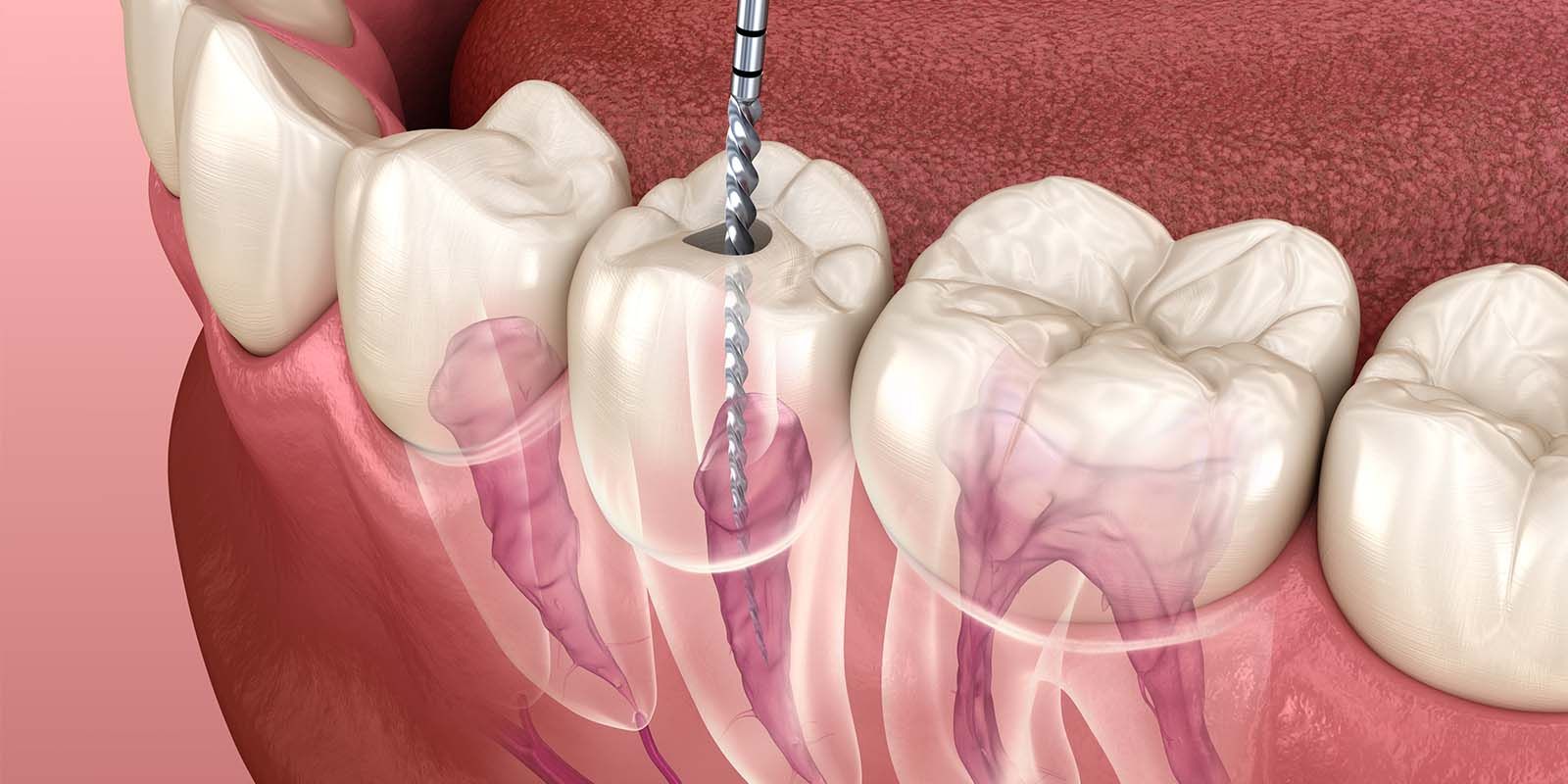
In dental terms, a root canal is known as endodontic treatment. This is typically required when theres inflammation, necrosis, or severe decay of a tooth, resulting in infection of the pulp. The diseased tissue inside the tooth is removed, and the root canal is sealed to prevent further bacterial invasion. During this process, the pulp and nerve tissue is entirely removed, depriving the tooth of its original blood supply and nutrient source.
**Why Post-Root Canal Teeth Become Fragile**
After a root canal, the tooth loses its nerve and blood supply, effectively becoming non-vital. This makes the tooth gradually more brittle, especially the molars, which are responsible for handling significant amounts of chewing pressure. Additionally, during a root canal, dentists must drill the tooth to remove diseased parts, reducing its structural integrity. With less structure, the tooth becomes naturally less sturdy, making it theoretically more susceptible to cracking or breaking.
**Function and Risks of Molars**
Molars primarily help in grinding food, bearing considerable force with each chew. A healthy molar has a full crown supported by the pulp, evenly distributing the pressure. However, a post-root canal molar loses internal support, reducing the outer layers ability to handle stress. Long-term use for chewing hard items, such as ice, hard candies, or bones, increases the risk of cracks and even fractures.
**How to Extend the Lifespan of Root Canal-Treated Teeth**
To prevent tooth breakage, its not only about whether you had a root canal but also about how you protect it. Dentists typically reco
mmend placing a crown on the treated tooth, especially molars, to share the pressure and reduce the risk of fractures. Also, be mindful to avoid using these teeth to chew overly hard foods, minimizing excessive mechanical stress.
Additionally, maintaining good brushing and flossing habits can prevent other teeth issues because damage to neighboring teeth would concentrate chewing forces on the root canal-treated tooth, increasing its risk of breaking.
**Dietary Considerations**
After a root canal, it’s advisable to choose softer, easy-to-chew foods like porridge, steamed eggs, and thoroughly cooked veggies to help the teeth adjust. Once the crown is in place, you can return to a normal diet but avoid constantly challenging your teeths limits. For example, behaviors like biting packaging or pens exert sudden pressure on the teeth, risking fractures on weak spots.
**Psychological Adjustment and Regular Check-Ups**
Some people may fear that their teeth will break anytime post-root canal. However, appropriate restorations significantly reduce this risk. Its crucial to regularly visit the dentist to check for wear on the restoration and changes in the tooths condition. If you notice any chips or minor cracks, address them early to prevent them from worsening.
Psychologically, don’t let fear keep you from using the treated tooth for chewing. Chewing is naturally balanced on both sides, so long-term unilateral chewing can overburden the teeth on the opposite side, causing further issues.
**Conclusion**
Root canal-treated molars do lose their blood supply and internal support, indeed making them more fragile and theoretically increasing the risk of fracture. However, with proper crown restoration, healthy dietary habits, avoiding hard foods, and regular check-ups, their lifespan can be significantly extended. The key is following the dentists advice—dental health isn’t just about the treatment, but also daily care.
In essence, a root canal isn’t the "end" of your tooth, but rather a "turning point." With proper care, your tooth can continue to help you enjoy delicious foods and life for many years.
















