





**"Is It True You Can Complete a Root Canal in One Visit?"**
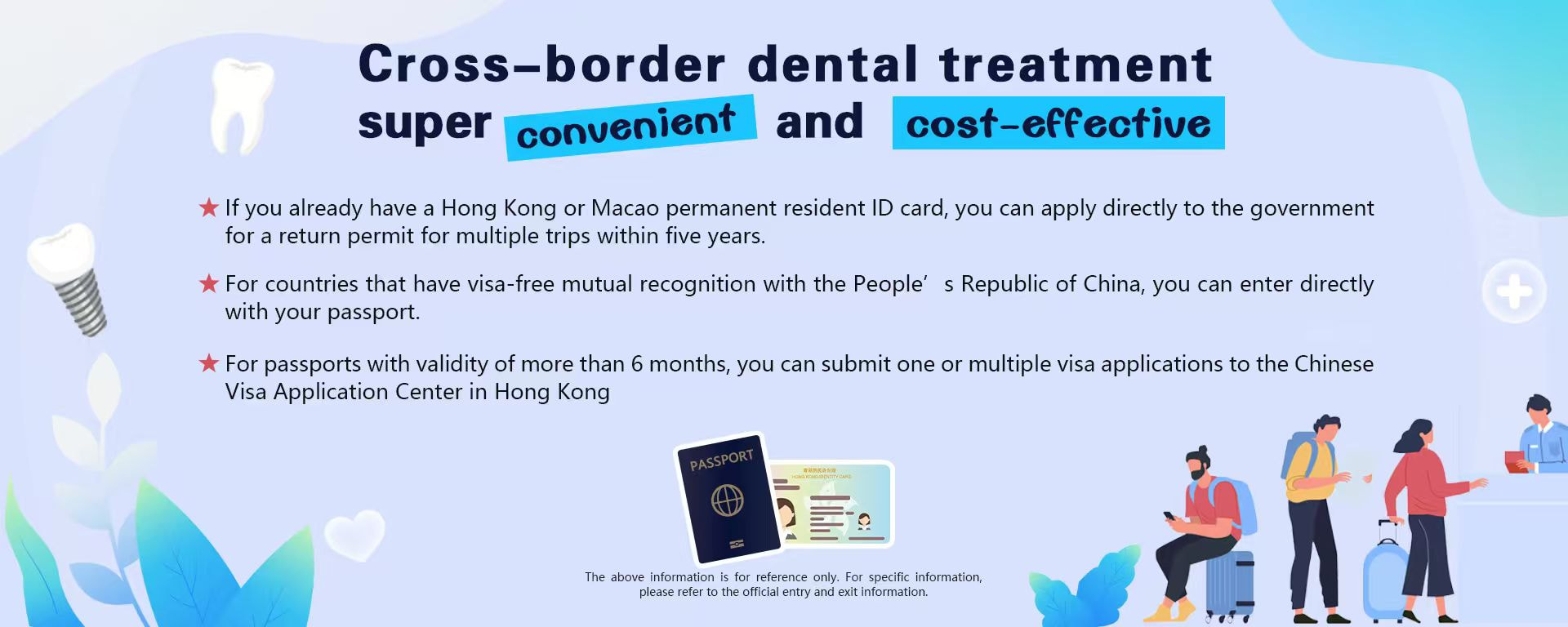
In recent years, many Hong Kong residents have chosen to visit dentists across the border, especially for root canal treatments. They often hear praises about the skills of dentists in Shenzhen, Guangzhou, and other mainland cities, noting the efficiency, modern facilities, and the possibility of completing the entire treatment in one go. But is it really possible to finish a root canal in just one visit? As someone living in Hong Kong, Id like to discuss the realities of this claim so you can be better prepared before considering such a trip.
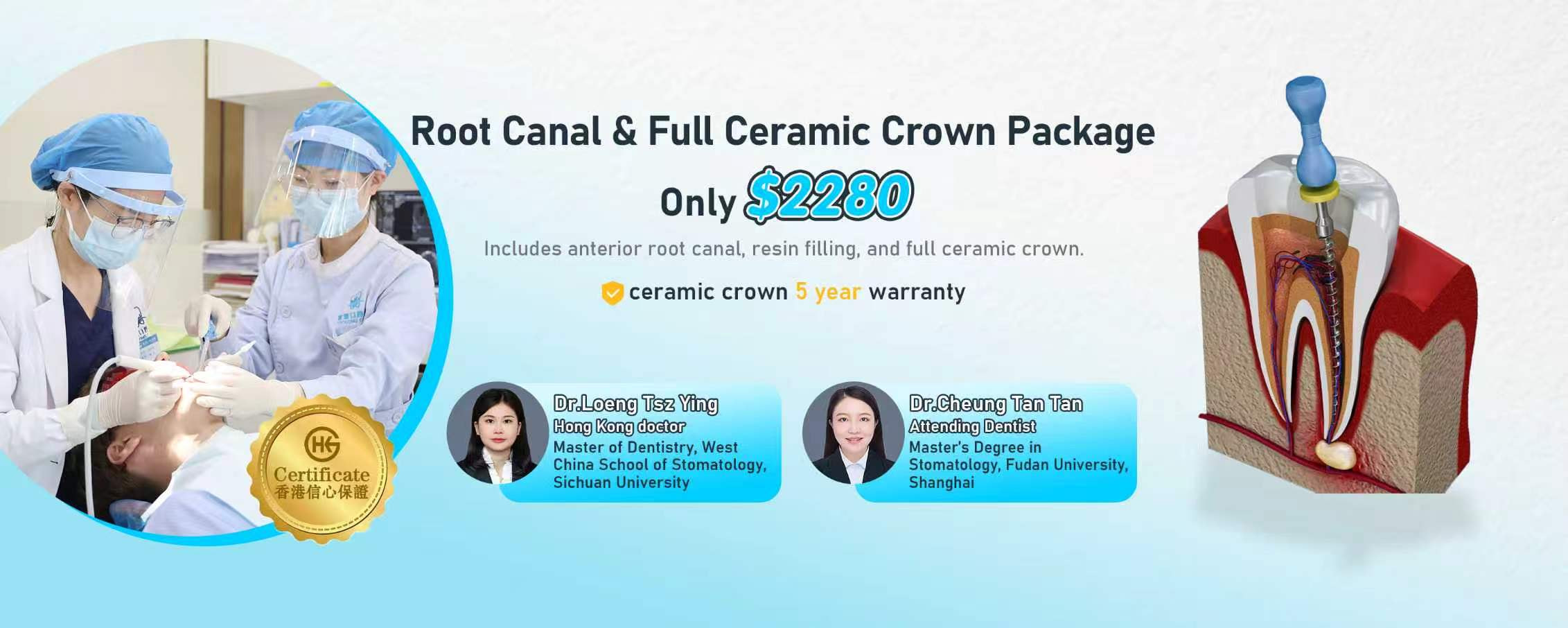
Firstly, a root canal is a relatively complex dental procedure. It involves removing infected pulp tissue inside the tooth, disinfecting the area, and then sealing the tooth properly. Theoretically, if the tooth infection isnt severe, the patient is in good health, and an experienced dentist is performing the procedure, it might be possible to complete it in one sitting. However, in reality, not everyone is suitable for a one-time procedure. Factors such as the severity of the pulp infection, the complexity of the tooth structure, and even personal pain tolerance can affect the completion time and number of sessions required.
Some people in Hong Kong believe cross-border root canals are quicker because many mainland dental clinics have new equipment and flexible scheduling. Some clinics even use advanced imaging technology to assess the internal condition of the tooth, allowing dentists to make more accurate decisions about whether to split the treatment into multiple visits. However, the term "one visit" often refers only to the completion of major steps, with follow-up visits potentially needed for checks or reinforcing the tooth, such as adding a crown. Many patients dont consider these follow-up steps as part of the treatment, leading to the misconception that everything can be completed in one visit.
Additionally, one of the main advantages of seeking treatment across the border is the ability to concentrate
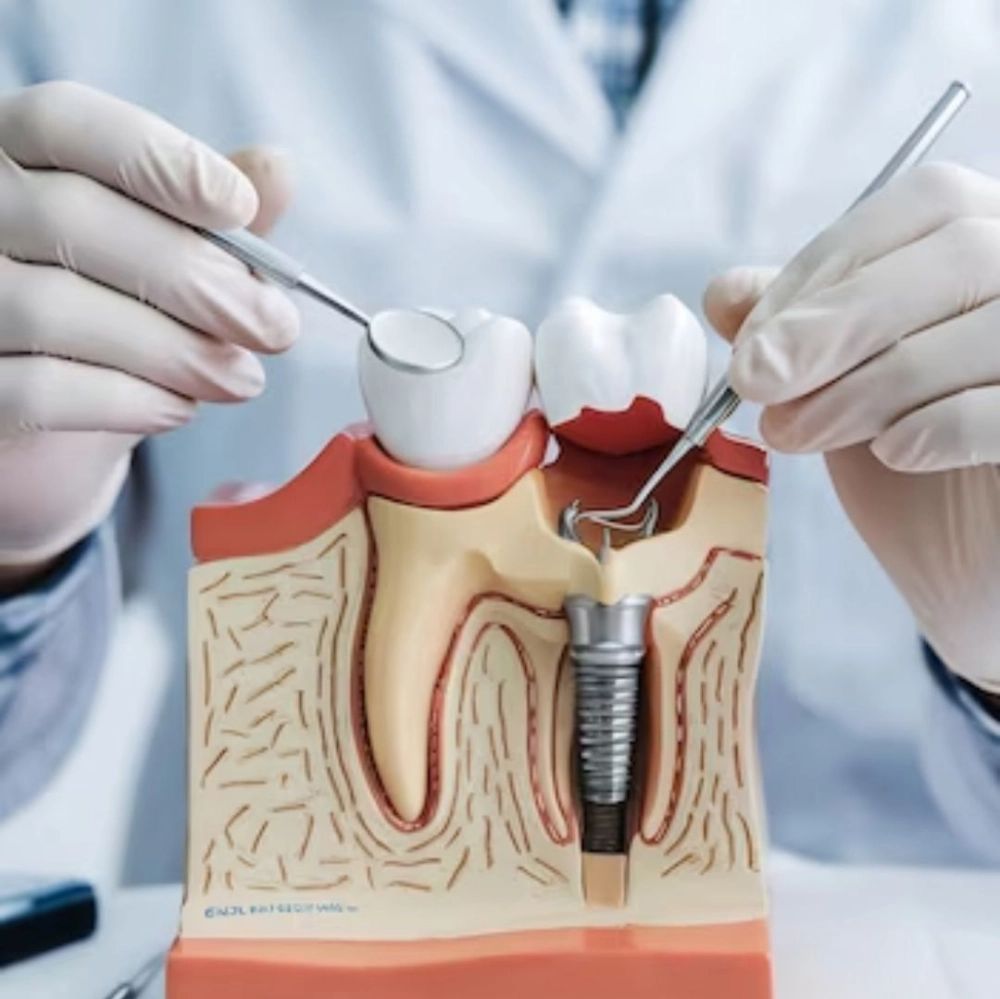
multiple steps into a single day, reducing waiting times. In Hong Kong, due to limited resources, multiple appointments are sometimes necessary, whereas mainland clinics are more flexible. However, while concentrated treatment can be convenient, its essential to consider the tooths response to intensive treatment. Sometimes, the tooth or surrounding gums need time to rest to avoid excessive stress from the treatment.
Before heading north for a root canal, its advisable to do thorough research. This includes understanding the dentists qualifications, the hygiene and equipment standards of the clinic, and reading online reviews—especially stories about treatment processes shared by others. A root canal is more than just a simple cleaning; it involves precise sealing and protection work, which requires high technical standards. If not done correctly, there could be a risk of reinfection or the tooth becoming weak and prone to fracture.
Regarding effectiveness, many who have undergone treatment across the border express satisfaction, noting the dentists swift and thorough approach and clear explanations. However, some have reported that upon their return to Hong Kong for a follow-up, local dentists found the seal inadequate, requiring remedial work. Thus, whether a "one-visit completion" is possible depends on the dentists judgment, patient cooperation, and the specific condition of the tooth, making it hard to generalize.
In conclusion, whether in Hong Kong or across the border, thorough communication with your dentist before treatment is crucial. Ensure you understand the procedure, potential risks, and treatment plan. A root canal is a complex procedure aimed at saving the natural tooth; speed does not always equate to the best outcome. While the idea of "one visit" is appealing, lasting results and health safety are more important. To put it another way, when addressing dental issues, beyond considering speed, its essential to select what best suits your needs and circumstances for the most practical approach.
















