




**Signs of Root Canal Failure to Watch Out For**
In Hong Kong, many people undergo root canal treatment due to cavities, cracked teeth, or pulp infections. While this procedure is meant to preserve the tooth for continued use, there can be instances where the treatment fails due to suboptimal execution or aftercare. Early detection of problems is crucial to minimize complications, making it essential to recognize the signs of root canal failure.
**1. Persistent or Recurrent Toothache**
Typically, post-treatment, the pain should gradually subside as the tooth heals. However, if you experience persistent severe pain after some time or find noticeable sensitivity when eating or biting, it’s time to be cautious. This pain may indicate residual infection or incomplete cleaning of the treatment area.
**2. Abnormal Sensitivity to Hot or Cold**
After root canal treatment, the affected tooth should no longer have a strong sensitivity to hot or cold stimuli since the pulp has been removed. If you notice sudden discomfort or pain while consuming cold or hot items, it might signal inflammation in the tissues around the root or a declining success rate of the treatment.
**3. Swelling or Pus Formation near the Gums**
Swelling in the gums is often a sign of infection and inflammation, sometimes accompanied by small pus-filled bumps (fistulas) near the tooth root. This situation might suggest that the bacteria have not been entirely eradicated during treatment, leading to ongoing infection. If these symptoms persist, it’s important not to ignore them.
**4. Significant Tooth Discoloration**
Following a root canal, teeth might darken slightly due to the loss of pulp vitality, but if discoloration worsens significantly compared to adjacent teeth, it could indicate internal damage or ongoing infection. While aesthetics are a concern, ensuring internal dental health is even more crucial.
**5. Unusual Bite Feel**
If you experience an uneven bite sensation or discomfort when chewing, or if the affected tooth feels loose, pay close attention. Abnormal bite could be d
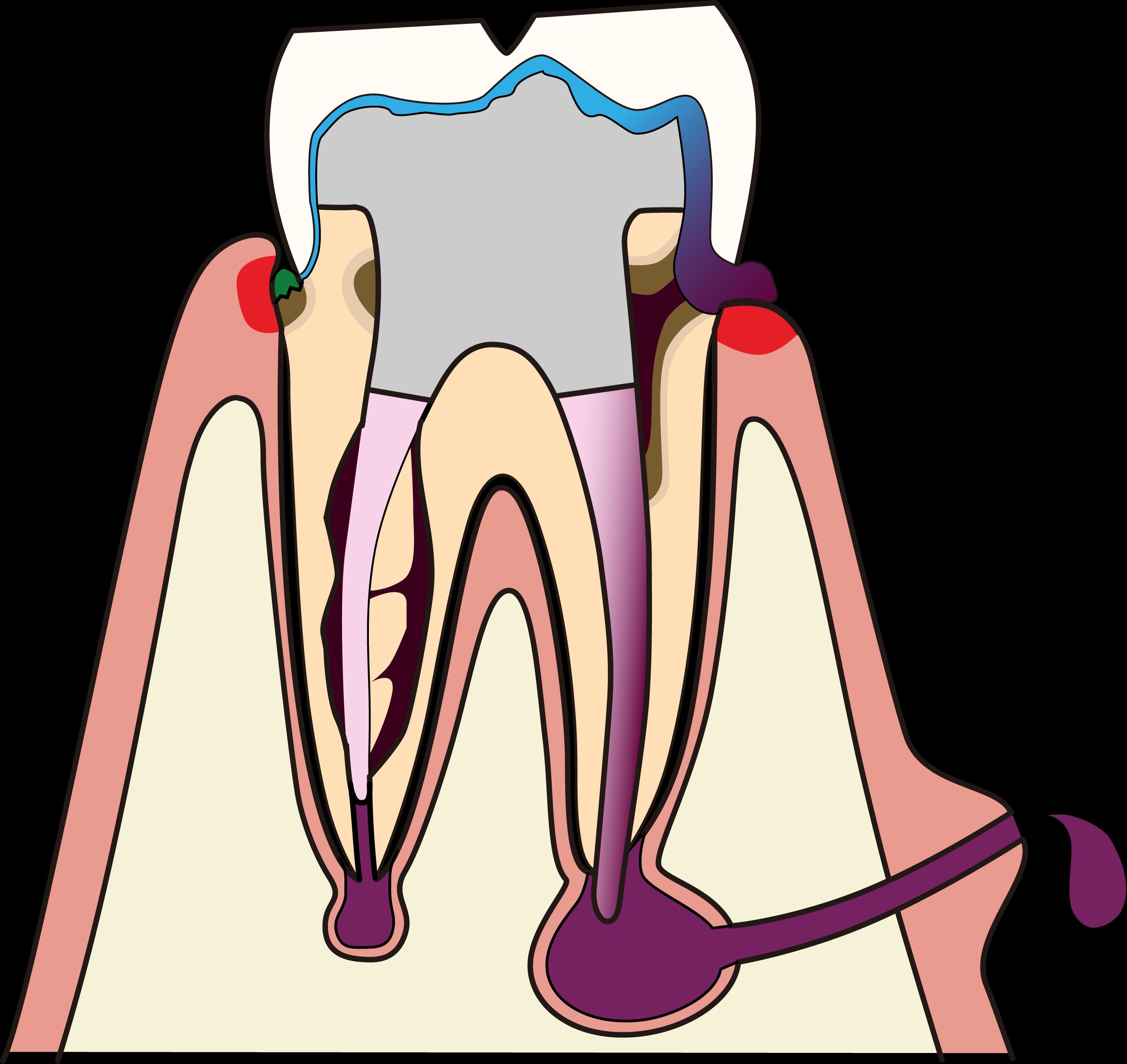
ue to improper crown placement or bone loss around the root area.
**6. Unpleasant Taste or Odor in the Mouth**
If you frequently notice a strange taste or smell, like bitterness or a foul scent, without consuming specific foods, it might be due to an infection within the root canal. Bacteria by-products can cause bad breath, and this issue typically requires dental intervention.
**Why Root Canals Might Fail**
Root canal failure can occur for various reasons, including inadequate cleaning during treatment, complex root structures that are difficult to thoroughly clean, improper sealing of the restoration allowing bacterial re-entry, or insufficient post-treatment care. Neglecting oral hygiene, consuming hard foods that cause teeth to crack, and other factors can affect the treatment outcome. Therefore, maintaining post-operative care and regular dental check-ups are vital.
**Prevention and Management Strategies**
1. **Follow the Dentist’s Instructions**: Adhere to follow-up visits to monitor tooth recovery, both during and after treatment.
2. **Maintain Good Oral Hygiene**: Use dental floss and brush daily to remove debris from between teeth and the tooth surface, preventing bacterial growth.
3. **Avoid Hard Foods**: Teeth that have undergone root canal treatment are more prone to fracturing. Be extra cautious with hard candies, bones, or foods with hard shells.
4. **Seek Immediate Dental Advice**: Don’t wait for issues to worsen before taking action; early treatment increases the chances of preserving the tooth.
**Conclusion**
Root canal treatment is an effective method to protect teeth, but it doesn’t guarantee permanent success. By staying vigilant of persistent tooth pain, gum swelling, sudden tooth discoloration, abnormal bite, or unusual odors, you should seek dental consultation promptly. Early detection helps prevent decay or infection spread, enhancing the chances of tooth preservation. Oral health is integral to overall well-being, so don’t wait until dental pain disrupts your life to take action. Prioritize oral care for a lasting smile.
















