






**Is Complex Root Canal Treatment a Concern When Going North?**
In recent years, many Hong Kong residents have opted to visit the mainland for dental treatments. Their motivations vary—some are attracted by a wider range of services, others by newer equipment, and some simply trust the skills of mainland dentists. However, when it comes to dental procedures, particularly "root canal treatment," many are apprehensive, wondering "Is it complicated?" In reality, understanding the entire process makes it less daunting than you might think.
**1. What is Root Canal Treatment?**
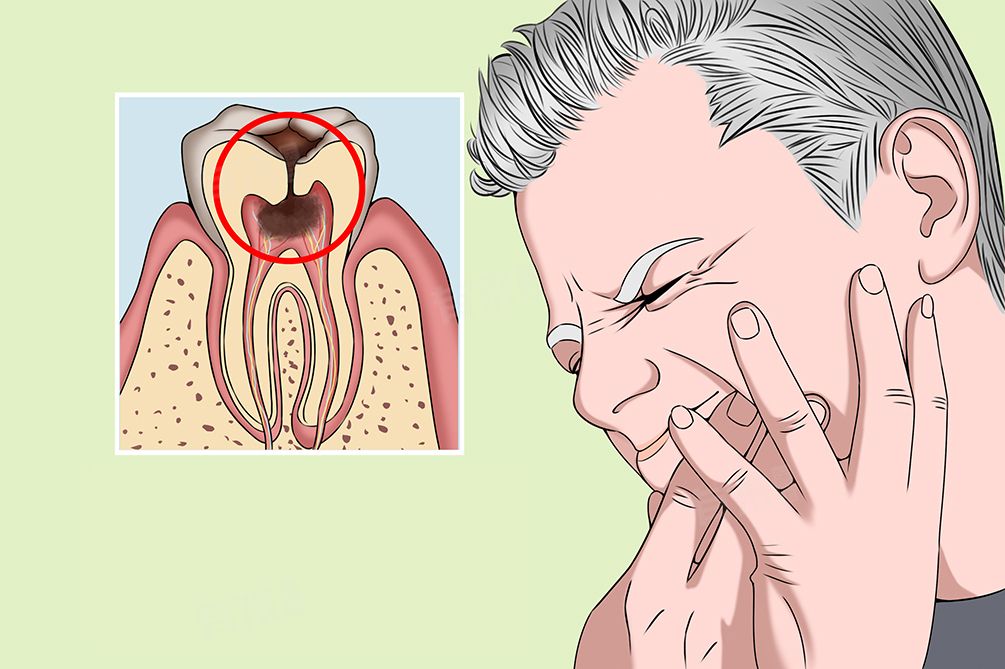
In simple terms, root canal treatment (commonly known as removing the nerve) involves a dentist clearing away the inflamed, infected, or necrotic dental pulp inside the tooth. The procedure aims to clean out bacteria and damaged tissue, then seal the root to preserve the tooths original structure. The primary goal is to save the tooth from reaching the point of no return.
**2. What is the Typical Procedure for Root Canal Treatment When Going North?**
Whether in Hong Kong or the mainland, the root canal procedure remains fairly consistent though different clinics might have slight variations. Generally, it can be broken down into the following stages:
1. **Initial Examination and Diagnosis**
The dentist will first take an X-ray to assess the depth and infection spread in the root canal and determine if root canal treatment is necessary. Sometimes, if the toothache hasnt progressed to "nerve necrosis," other initial methods might be employed to relieve the discomfort.
2. **Anesthesia and Protective Measures**
Once a decision is made for treatment, local anesthesia is administered to ensure comfort. Patients usually only experience slight pressure, not pain. The dentist will use a rubber dam to isolate the treatment area, minimizing bacterial entry and maintaining a clean environment.
3. **Removal of Dental Pulp and Disinfection**
This is the critical step. Using specialized tools, the dentist opens the tooth crown, accesses the root canal, and removes aged or infected pulp tissue. The canal is then thoroughly disinfected to eliminate bacteria. If the roots are numerous or curved, this step might take longer.
4. **Sealing the Root Canal**
Post-cleaning, the dentist fills the root canals with specialized materials like gutta-percha to seal the passageway, preventing bacterial re-entry. The effectiveness of this step heavily impacts tre
atment success, so precision is key.
5. **Temporary Filling and Final Restoration**
After the above steps, a temporary filling is applied, and the crown restored to allow the tooth time to stabilize. Further protection with a crown might be recommended to prevent future fractures and extend its lifespan.
**3. How Long Does the Entire Treatment Take?**
Root canal treatment isnt typically a single-day procedure and usually involves two to three visits. The first is for cleaning and disinfection, the second for sealing, and a third might be needed for final restoration. If assessed as simple by the dentist, one or two visits could suffice. The process depends largely on the infection severity and the dentists plan.
**4. Key Considerations for Going North for Root Canal Treatment**
1. **Understand the Treatment Plan**
At mainland clinics, inquire about the entire process, including instruments used, the number of visits required, and estimated treatment length for peace of mind.
2. **Ensure Smooth Communication**
Despite linguistic similarities, differences in medical terminology or expressions can occur, so its advisable to clarify even minor concerns without hesitation.
3. **Post-Treatment Care Awareness**
Mild soreness or swelling for a few days post-treatment is normal. However, if symptoms persist or intensify, revisit the clinic promptly. Avoid hard foods and maintain oral hygiene during recovery.
**5. Is It Really "Complicated"?**
To be candid, while root canal treatment may sound intricate, for experienced dentists, its a standardized and secure procedure. Patients who understand the workflow, cooperate with their dentist, and remain patient will find the process relatively straightforward.
On the mainland, several clinics have introduced advanced electrical canal devices and digital X-ray systems, enhancing precision. Additionally, some offer cross-border medical services, facilitating appointments and follow-ups for Hong Kong residents, alleviating concerns about distance.
**6. Conclusion**
Is complex root canal treatment a concern when going north? With thorough knowledge of the steps, early preparation, and choosing a reputable dentist, the process is manageable and safe. Addressing tooth pain promptly helps preserve natural teeth. Ultimately, trust and communication are paramount, coupled with proper care, ensuring a healthier, longer-lasting smile no matter where you seek dental care.
















