




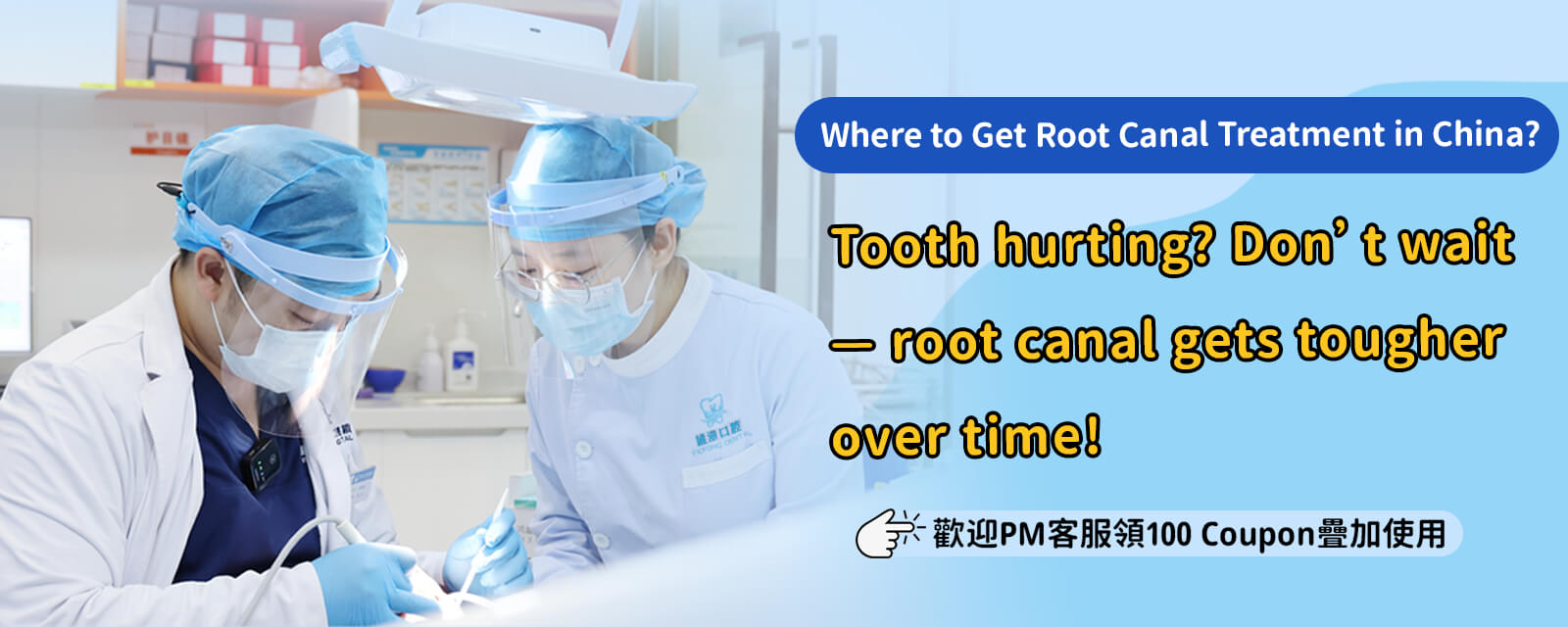
**Is Going North for Root Canal Treatment Suitable for Hong Kong Workers?**
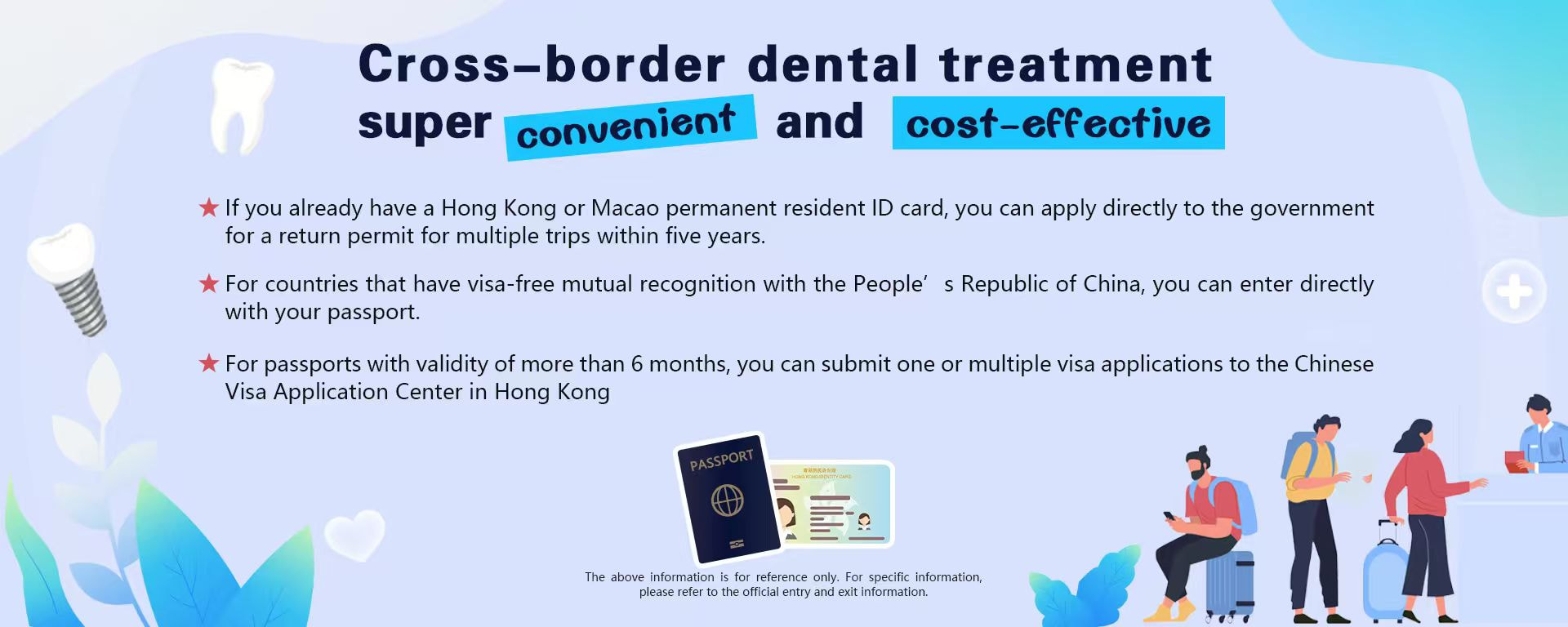
In recent years, an increasing number of Hong Kong workers are considering heading north for dental care, especially for root canal treatments. Previously, dental visits in Hong Kong were perceived as cumbersome, with substantial time commitment and stress. However, with improved transportation and enhanced medical standards in numerous cities, seeking root canal treatment across the border has become a popular choice for many. But, is this decision truly beneficial for busy workers? Lets explore this from several perspectives.
**Transportation and Time Management**
Most workers follow a nine-to-six schedule, often with overtime, leaving limited leisure time. Traveling north for a root canal treatment requires careful planning of transportation. Modern conveniences like high-speed rail, metro, and cross-border buses enable day trips—going in the morning, returning by evening. However, root canal treatments usually require multiple follow-up visits. If workplace leave policies are inflexible, coordinating these appointments may pose difficulties. For those with flexible schedules, the travel might offer a mini getaway, but for time-strapped workers, thorough consideration is needed.
**Quality of Care and Communication**
Dental facilities in many northern cities have recently upgraded their equipment, and the dentists are quite professional. Workers need to assess whether they can easily communicate using Cantonese or Mandarin, especially when describing pain or concerns. Clear communication is vital. Its also crucial to understand the clinics practices, like whether they offer comprehensive exams, utilize X-rays, and clearly explain treatment steps. These factors build confidence in handing over your dental care.
**Consistency and Follow-up**
Root canal treatment isn’t a one-time fix; it typically spans several sessions, including aftercare. Workers must consider whether they can consistently return to the same clinic at required intervals. Any disruption, whether a change in clinic or failure to follow up, could affect treatment outcomes. Effective time m
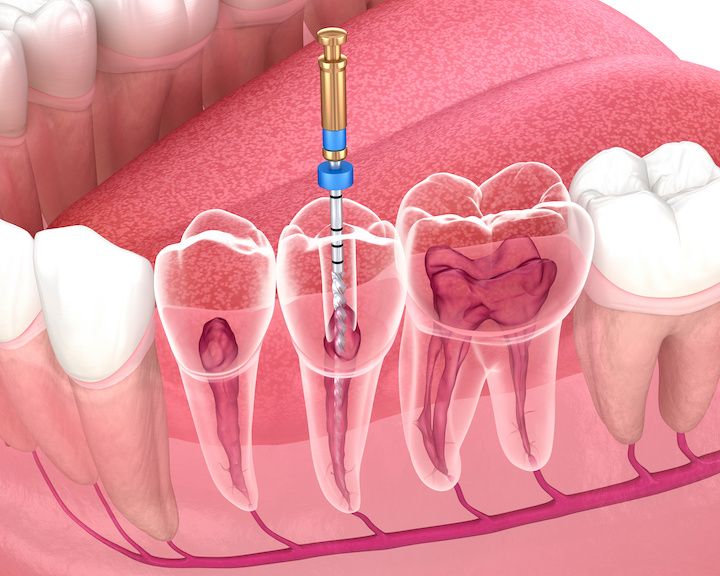
anagement is key, especially in cross-border scenarios, aligning crossing times, leave arrangements, and doctors availability for optimal scheduling.
**Lifestyle Experience and Psychological Factors**
Some workers view cross-border dental visits as a chance to enjoy mainland life, sampling local cuisine and shopping, akin to mini-vacations. This relaxed mindset could alleviate treatment anxiety. Conversely, others may feel uneasy with unfamiliar environments, differing medical systems, or the mainland’s lifestyle pace. These psychological factors could impact their treatment experience. Gathering information in advance, consulting friends, or even undertaking an initial check-up for familiarity can ease decision-making.
**Cost-Effectiveness and Expectation Management**
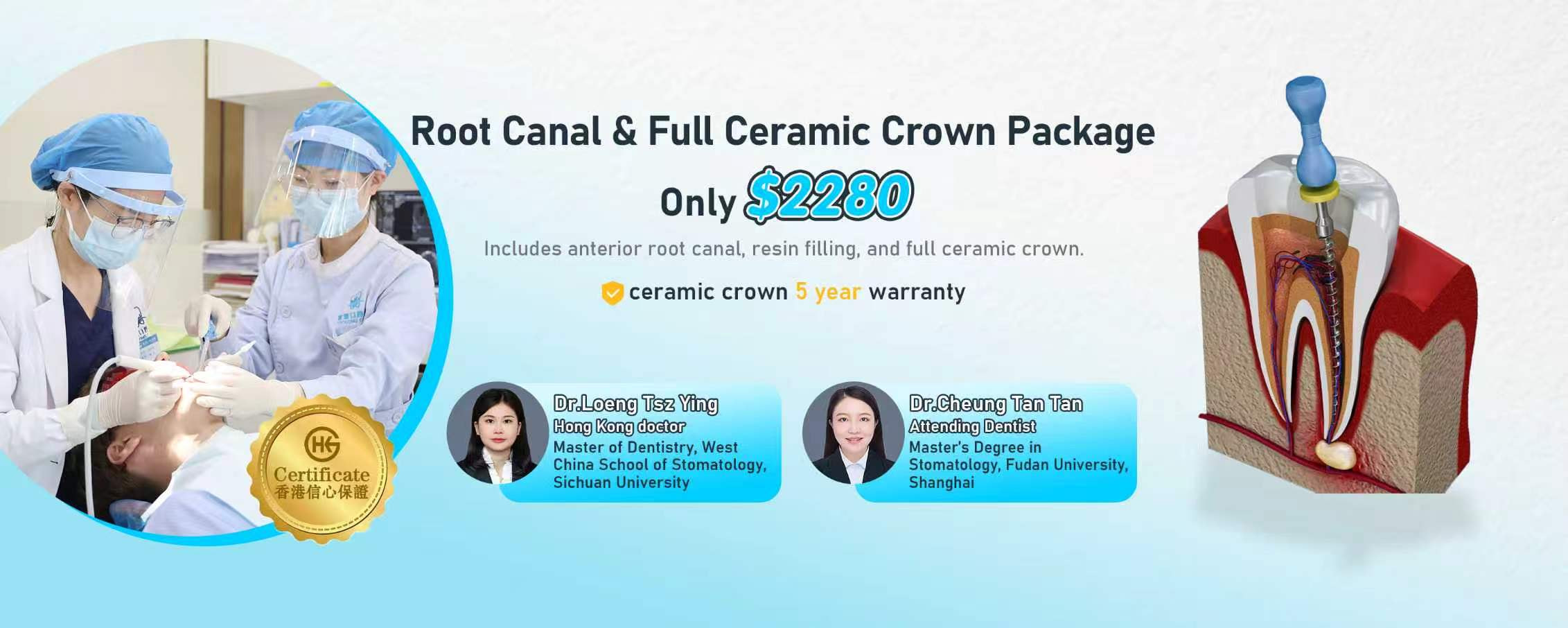
While not discussing prices explicitly, many consider “going north for treatment” appealing for its perceived cost savings. Workers must understand that cost-effectiveness encompasses more than just monetary savings—it involves time, effort, and comfort. A successful, professional treatment feels worthwhile; conversely, delays or communication issues, regardless of savings, might seem unprofitable. Therefore, prior research is crucial—verify clinic reputation, dentist qualifications, and user reviews beyond just friends advice.
**Conclusion**
For Hong Kong workers, heading north for root canal treatment balances convenience and challenges. Improved transportation and expanded medical options are appealing, but frequent treatment follow-ups and time coordination pose significant challenges. If your job allows flexible scheduling, and you’re open to exploring life in different cities, this option might be promising. Alternatively, if youre pressed for time, reluctant to plan multiple trips, or hesitant about unfamiliar environments, staying in Hong Kong with known dental practices could be a prudent choice.
Ultimately, workers should find a pace and approach matching personal lifestyle rhythms and psychological comfort. Whether choosing cross-border or local options, prioritize ensuring high-quality care and consistent treatment to smile brightly and eat comfortably.
















