




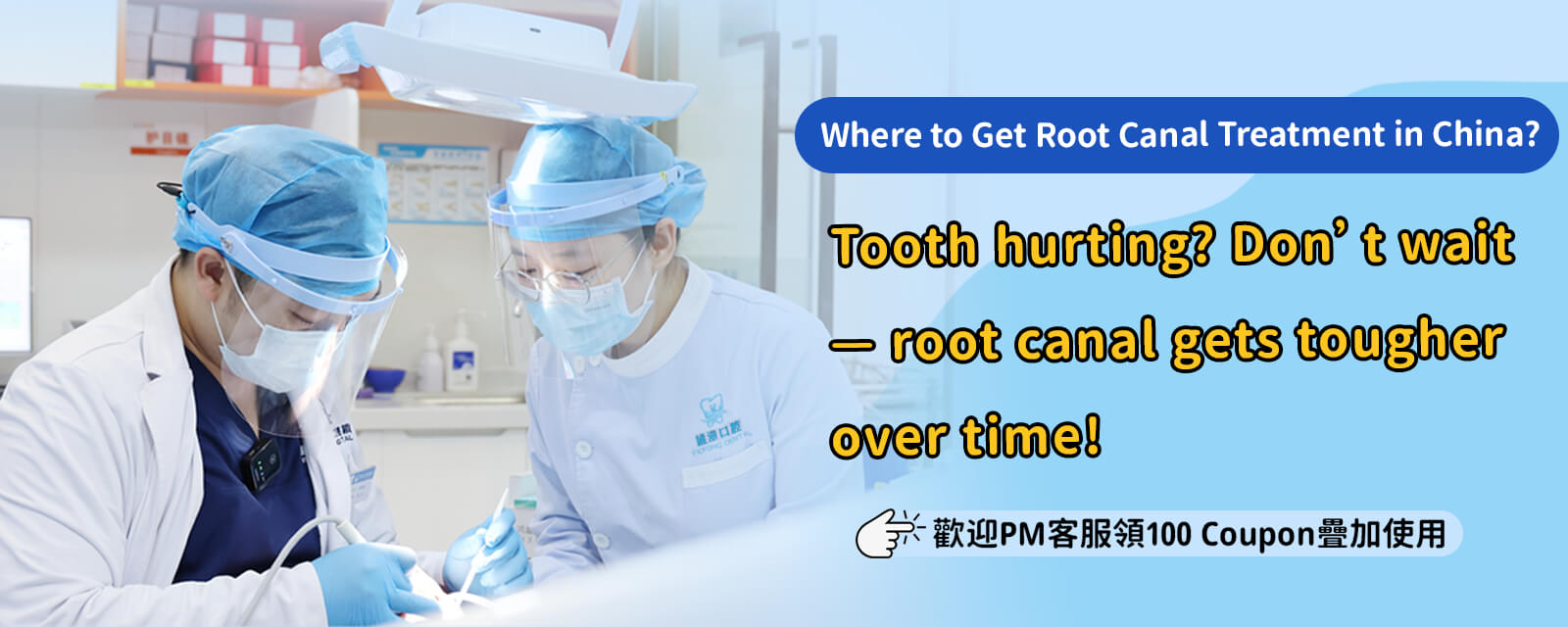
**Is Root Canal Treatment in Mainland China Suitable for Office Workers?**
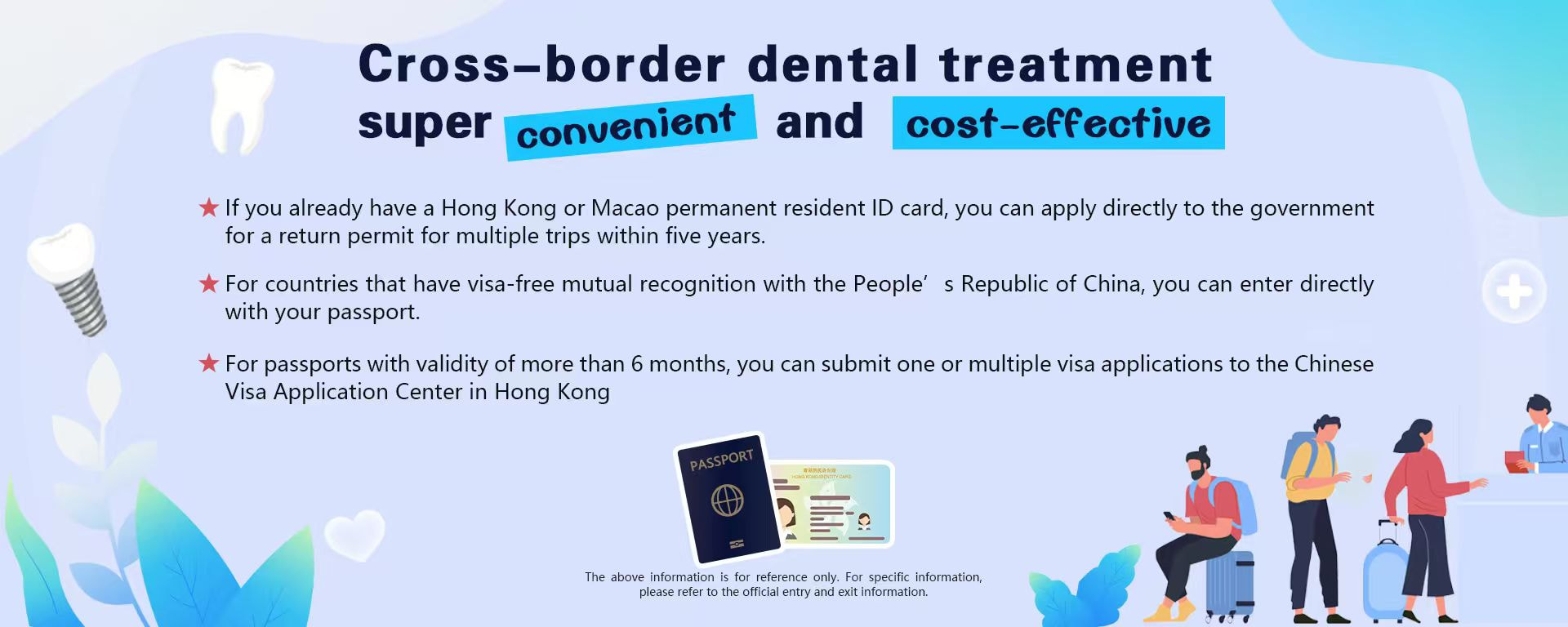
In recent years, many Hong Kong residents have opted to head "north" to Mainland China for dental treatments, particularly root canal treatment (commonly known as nerve extraction). For office workers, time, transportation, and the pace of life are crucial considerations. So, is it suitable for office workers to travel to Mainland China for root canal treatment? Lets explore this in a relaxed manner.
**What is Root Canal Treatment and Why is it Necessary?**
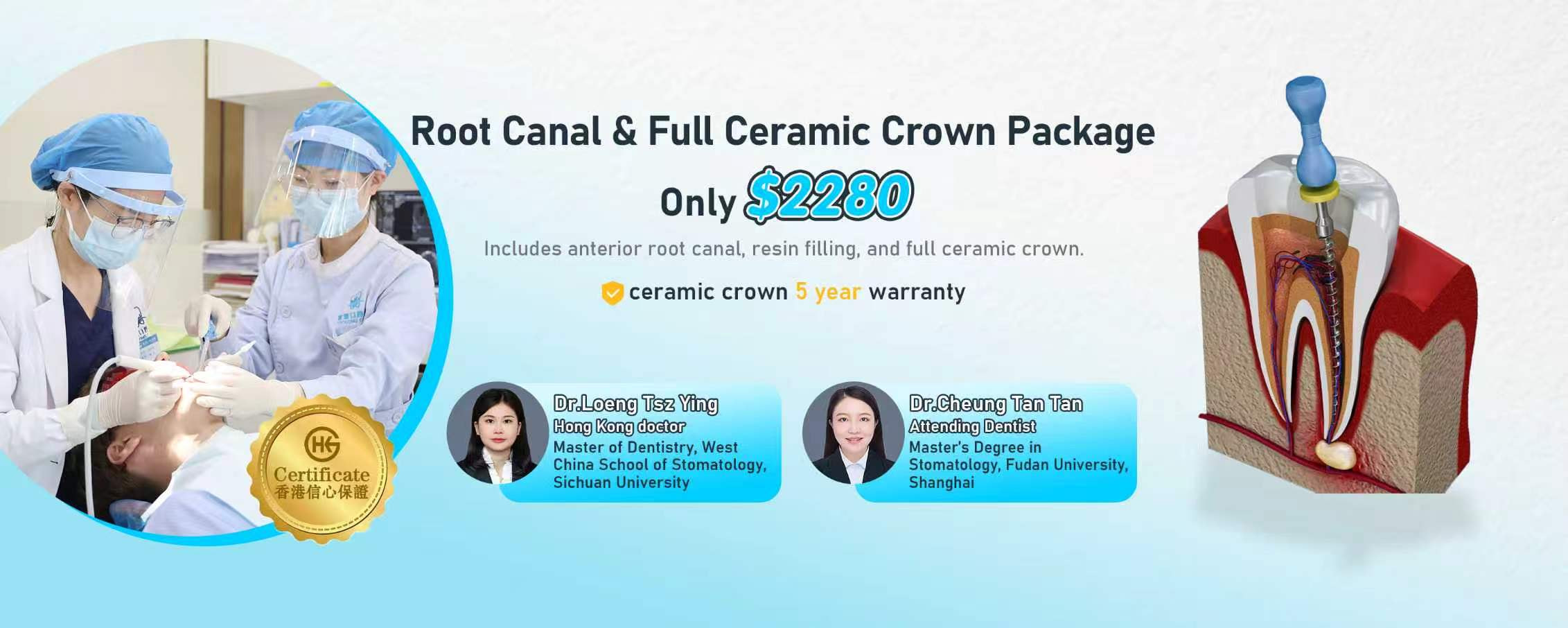
Root canal treatment primarily addresses inflammation or infection of the dental pulp, usually caused by deep cavities, damaged teeth, or prolonged neglect. The procedure involves cleaning out the damaged tissue within the pulp chamber, disinfecting it, and sealing it to protect the tooths structure and function. This treatment is quite common in both Hong Kong and Mainland dental clinics; however, the choice of location and scheduling convenience can differ significantly.
**Appeal of Getting Treatment in Mainland China**
For office workers, the biggest attraction of crossing the border for dental care is the wide selection of clinics and potentially more flexible appointment times. In Mainland China, many dental centers have extended operating hours, including evenings and weekends, making it highly convenient for those who work during the week. Additionally, traveling north can also serve as a brief getaway, providing a change of scenery and a small respite from daily life.
**Transportation and Time Costs**
Naturally, a significant consideration is the travel time involved in going north. If your workplace is near the border or you live in the northern New Territories, crossing to Shenzhen or Zhuhai may be quite convenient, taking only a few hours round-trip. However, if you live in areas like Hong Kong Island or southern Kowloon, you should account for additional travel time and plan whether the treatment requires multiple visits. Root canal treatments usually arent completed in one sitting; they may require two to three follow-up appointments for cleaning, disinfection, sealing, and sometimes adding a crown. Therefore, ensuring you have enough time to accommodate these visits is essential.
**Work Arrangement and Leave Issues**
The biggest challenge for office workers heading north for treatment is arranging for leave. Some might opt to handle it over the weeke
nd, but its crucial to note the clinics operating hours and the return journey, particularly given that border crossings can be busier on holidays and weekends. If your job allows flexible hours, a half-day leave might easily fit your treatment schedule, even on weekdays. However, if you have a tight work schedule and find it difficult to get time off, weigh whether you can commit to multiple treatment sessions.
**Medical Quality and Communication**
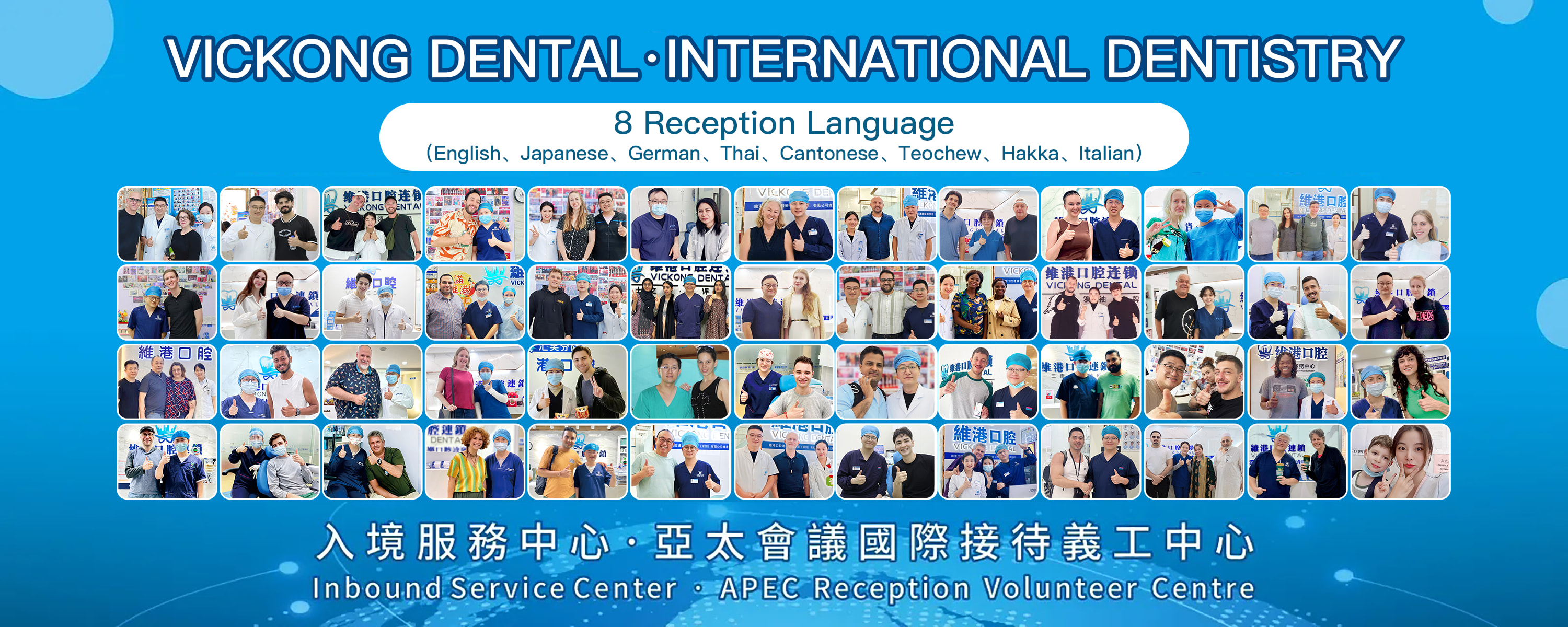
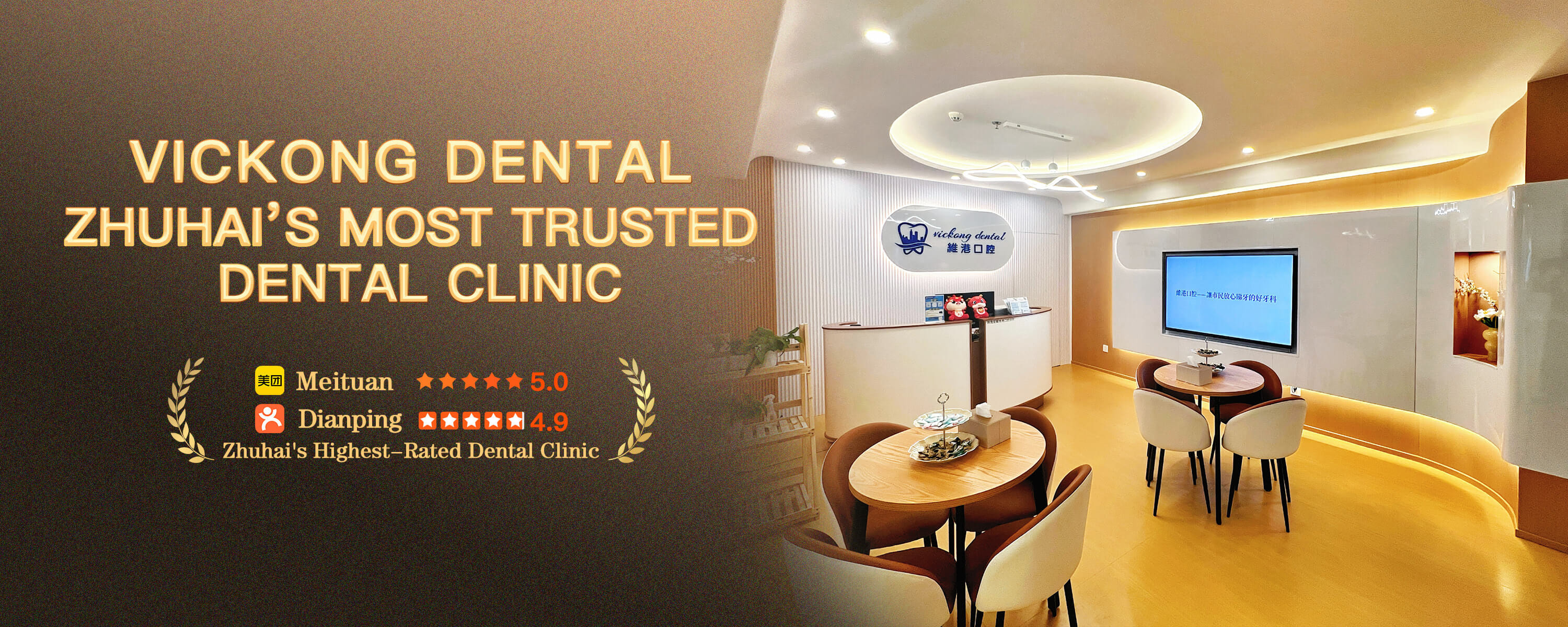
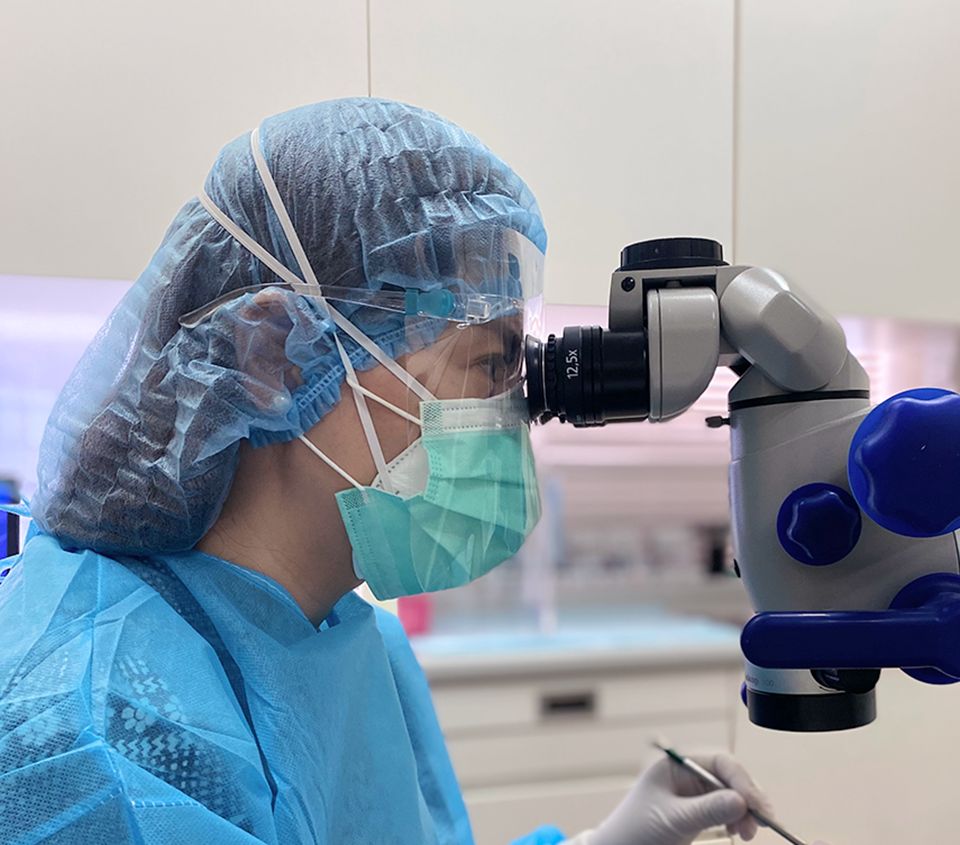
Many people are concerned about the quality of dental services in Mainland China. In reality, many Mainland dental clinics are equipped with advanced technology, and dentists receive professional training. Most clinics also offer multilingual services, including Mandarin, Cantonese, and even English, facilitating communication for Hong Kong patients. Its advisable to research the clinics reputation, dentist credentials, and pay attention to their sterilization and follow-up services, ensuring peace of mind during treatment.
**Lifestyle Pace and Psychological Adaptation**
Going north for treatment isnt just about medical choice; its also an adjustment in lifestyle. Some people find that seeking treatment abroad allows them to temporarily escape their hectic work environment and feel more relaxed. Conversely, others might find the travel, border crossing, and potential queuing to be additional stressors. Office workers need to consider if they are comfortable with this pace, as they might otherwise add unnecessary burden to themselves.
**Conclusion**
Whether traveling to Mainland China for root canal treatment is suitable for office workers isnt a straightforward "yes" or "no." It largely depends on factors like work flexibility, residential location, personal lifestyle, and psychological acceptance. If you live near the border, have flexible work hours, and are accustomed to traveling to the Mainland, then treatment there may indeed be convenient and comfortable. On the other hand, if you live far, have a tight work schedule, or want to avoid lengthy travel, getting treated in Hong Kong may better suit your pace.
Ultimately, whether opting for treatment in Mainland China or staying in Hong Kong, the most important thing is to choose a trustworthy dentist and clinic and follow through with the full treatment cycle, ensuring long-term dental health. Your teeth are crucial in daily life; protecting them is akin to safeguarding your mouth and smile.
















