





Do You Need a CT Scan for Root Canal Treatment in Mainland China?
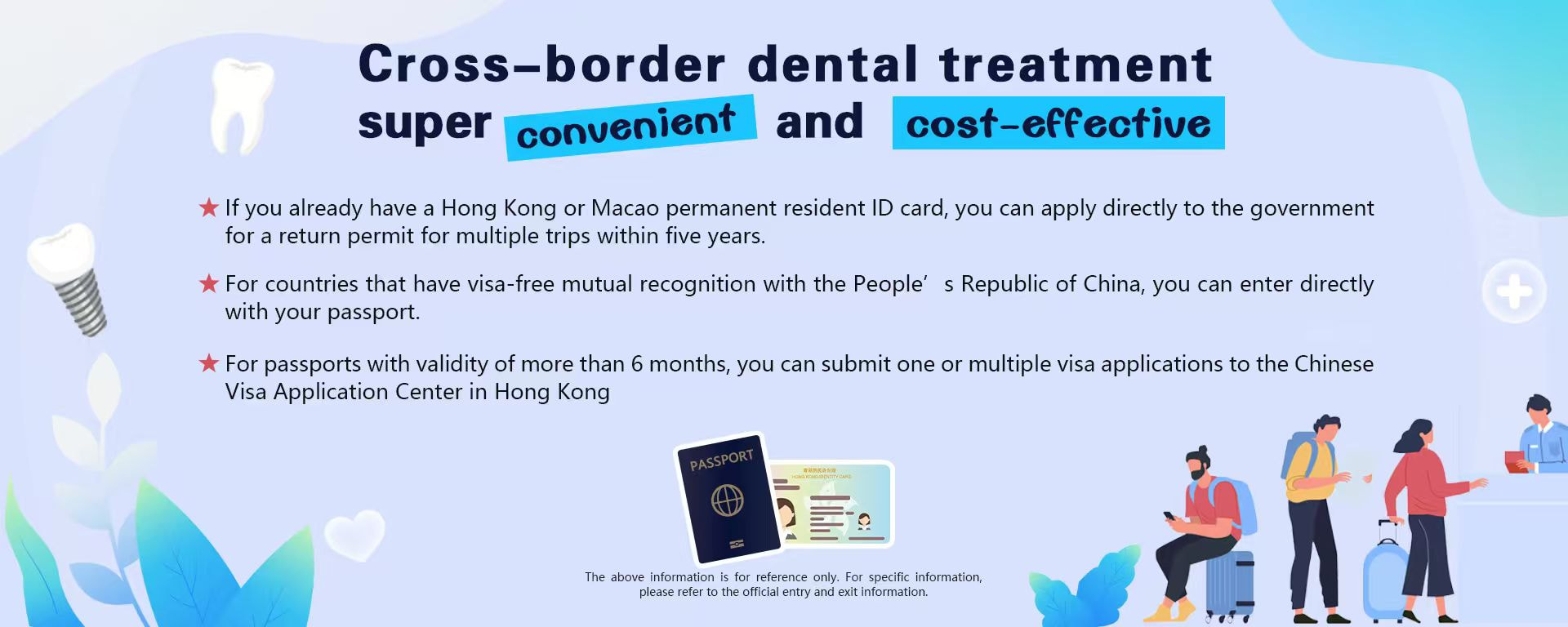
In recent years, many Hong Kong residents have preferred traveling to Shenzhen or Guangzhou for dental care, as the services are both affordable and increasingly professional. However, when it comes to "getting dental treatment across the border," one of the most frequently asked questions is whether a CT scan is necessary for root canal treatment. What is the purpose of a CT scan in this context? Is it really necessary, or just an additional step? Lets delve into this topic in a relaxed manner.
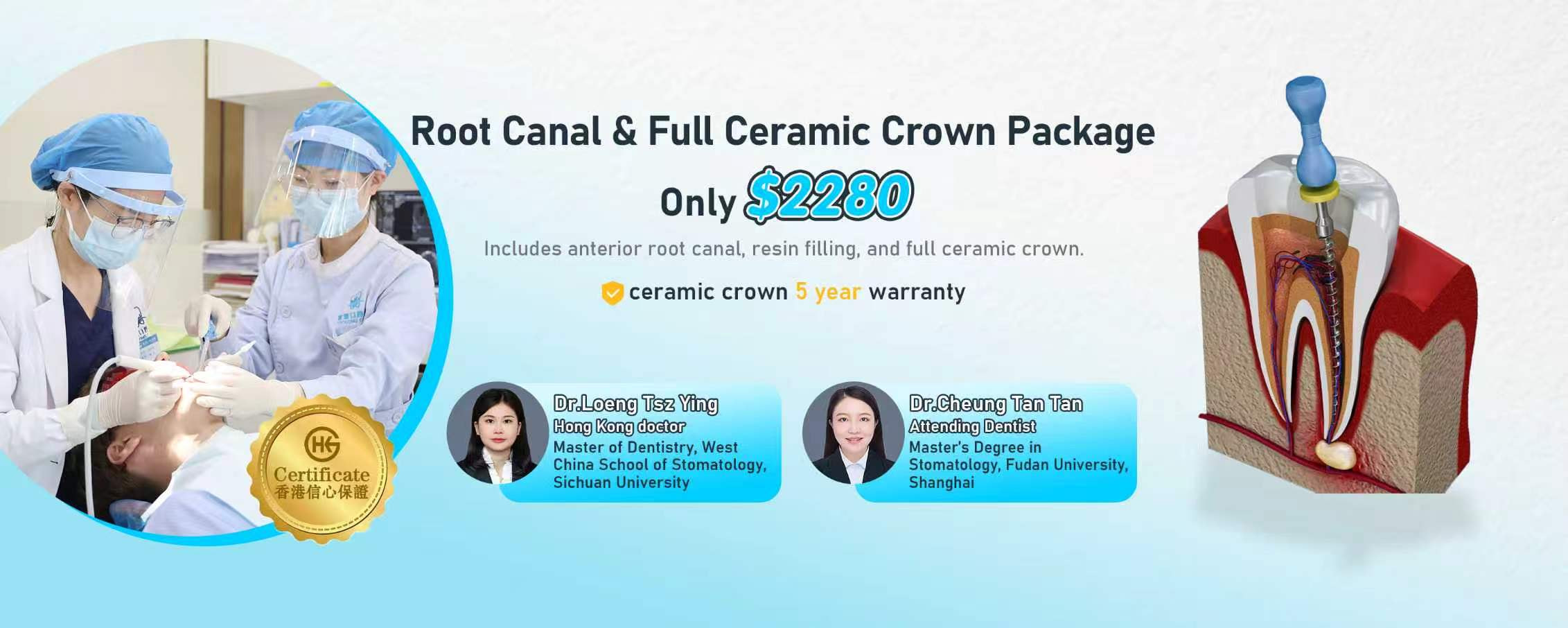
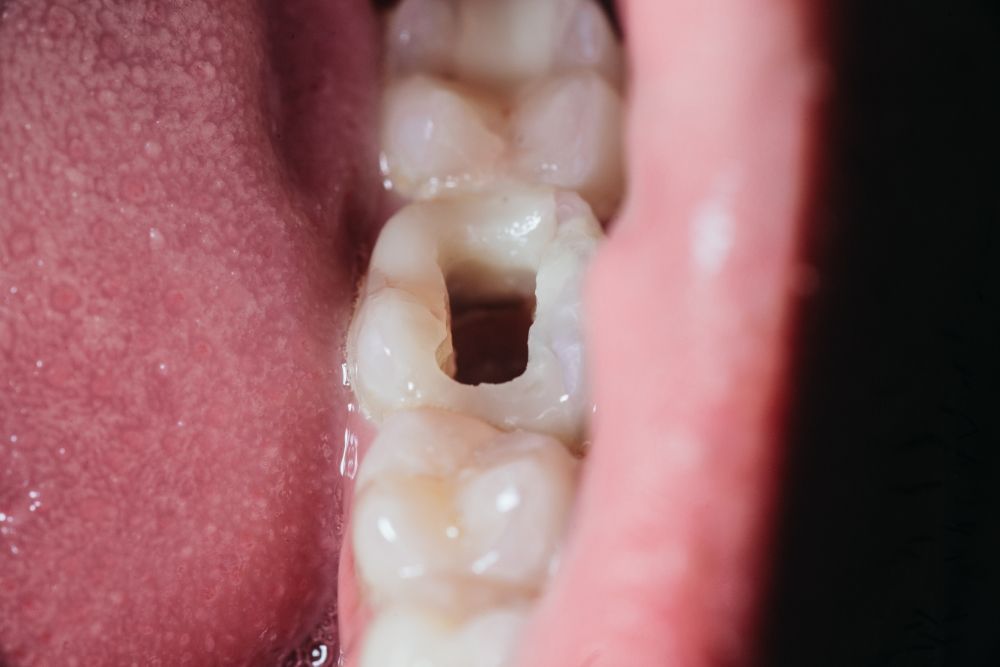
Firstly, what is root canal treatment? Simply put, its a procedure to remove infected tissue, disinfect the area, and seal the root canal when the dental pulp becomes inflamed or necrotic. Although this treatment is intricate, its success rate is quite high. The key to success lies in accurately understanding the structure, direction, and length of the root. Traditional X-rays provide only 2D images, which often have limited angles, especially when dealing with teeth with multiple or curved roots. This is where a CT scan comes into play.
The dental CT, technically known as "Cone Beam Computed Tomography" (CBCT), is far more precise than traditional X-rays. It captures 3D images from various angles, giving dentists a clearer understanding of the teeth, roots, bone structure, and surrounding tissues. In simple terms, its like transitioning from 2D to 3D, offering a comprehensive view.
So, is a CT scan mandatory for cross-border root canal treatments? Not necessarily. However, in many cases, undergoing a CT scan can lead to a more accurate diagnosis. This is especially true in situations such as previously failed treatments, complex root canal shapes, suspected root fractures, or when patients experience persistent pain without visible issues on standard X-rays. In such cases, a CT scan can help the dentist "see through" the problem, identifying its root cause and reducing the likelihood of repeated treatments.
Of course, its possible to carry out the treatment without a CT scan. In straightforward cases, such as front teeth with clear root structures, traditional X-rays might suffice. Professional dentists will evaluate each case individually and wont indiscriminately recommend additional scans. Sinc
e CT scans involve a small amount of radiation, although low, they must be justified and necessary. Patients with concerns should discuss with their dentist to understand the reasons behind recommending a CT scan, providing peace of mind.
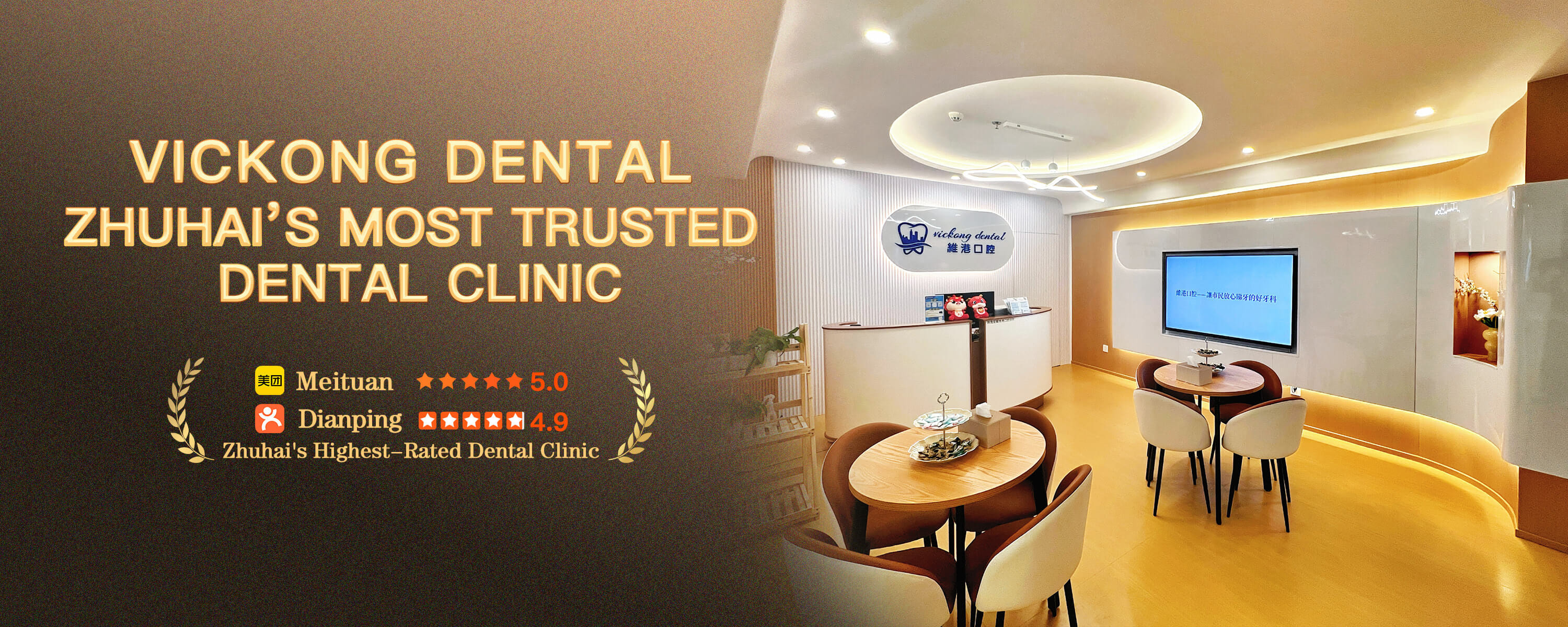
When it comes to cross-border dental care, some may worry about language, communication, and technical standards. Nowadays, many mainland dental clinics have staff from Hong Kong, making communication smooth. The crucial part is choosing a reputable, licensed, and hygienic dental facility. The decision to have a CT scan shouldnt be based solely on cost or convenience, but rather on clinical needs and diagnostic accuracy. Remember, accurately assessing the situation can sometimes save time and avoid re-treatment.
Some might wonder if the CT scanning process is painful. It is entirely painless. The process takes just a few minutes, and the images are available immediately. After the scan, the dentist can explain the results to you on a computer screen, helping you understand your dental condition. Many patients find it reassuring to understand the situation clearly before proceeding with treatment.
Undergoing dental procedures such as root canal treatment across the border requires mental preparation, as its more than just a simple cleaning. It is a treatment that demands time and patience, typically spanning multiple visits. Sometimes, a crown may need to be fitted afterward for protection. If the root condition is clearly understood through a CT scan beforehand, it makes the subsequent processes like crown fitting or inflammation prevention much more manageable.
In conclusion, there is no standard answer to whether a CT scan is needed for cross-border root canal treatment. The critical factors are the professional judgment of the dentist and the cooperation of the patient. A CT scan is not a redundant tool; rather, it aids the dentist in making a more precise and reliable diagnosis. For patients, knowing the exact issue with their teeth and the treatment plan is paramount. So, if youre planning a cross-border root canal treatment, consider consulting with your dentist about the possibility of a CT scan and understand the reasons before making a decision. This approach is both safe and practical, making it the smart choice.
















