





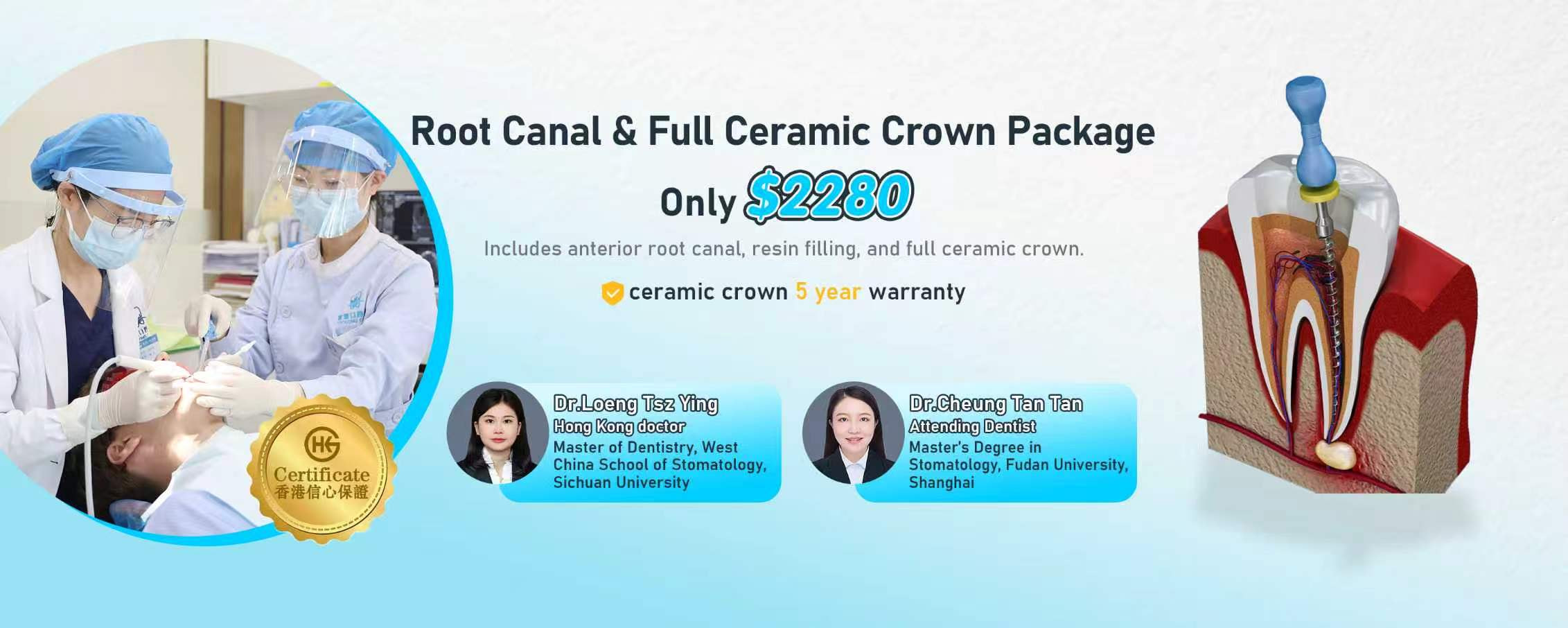



**Do You Need a Dental Crown After a Root Canal Treatment?**
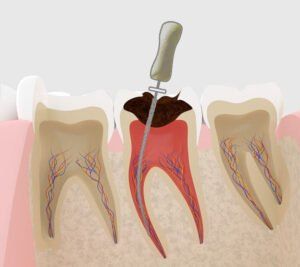
Many people in Hong Kong are familiar with the term "root canal treatment" when visiting the dentist. Generally speaking, a root canal is a procedure designed to save a severely compromised tooth by removing infections and dead tissue, followed by sealing the tooth. This begs the question: once the tooth is saved, is a dental crown necessary? The answer isnt one-size-fits-all, and it depends on the condition of your tooth, its function, and your daily lifestyle habits.
**Changes After Root Canal Treatment**
Though undergoing a root canal eliminates pain, the tooth’s structure is not as strong as it once was. During the treatment, the dentist opens a pathway to clean out the pulp and roots, resulting in loss of some of the tooths original material. Additionally, with the pulp gone, the tooth becomes more brittle and is prone to chipping or cracking, particularly the molars which bear the most bite force and therefore carry higher risk.
**Protective Role of a Dental Crown**
A dental crown acts like a hard shell around the tooth, minimizing the risk of further cracking. If a crown is placed after a root canal, it provides support by distributing pressure away from the weakened tooth material, effectively prolonging the tooths lifespan. Beyond protection, crowns also help restore the tooth’s original appearance, ensuring an unblemished smile and boosting confidence.
**Situations Where a Crown is Crucial**
If the root canal procedure involves a molar, dentists typically recommend a crown due to the high biting pressure these teeth endure, which, without proper protection, can lead to fracture. Similarly, if the tooth has extensive decay or prior fractures with limited remaining tooth structure, a crown offers enhanced
support. Conversely, front teeth experience less biting pressure, and aesthetics may be a higher priority; thus, crowns can be considered for both protective and cosmetic reasons.
**Risks of Skipping a Crown**
Some individuals may opt to forego a crown post-root canal simply because the tooth is no longer painful, or they may choose to just fill the gaps. While this may suffice short-term, biting on hard objects can lead to irreparable tooth fractures that might necessitate tooth extraction. The subsequent need for dental implants or bridges to fill gaps can significantly increase both inconvenience and costs.
**Daily Care and Crown Maintenance**
Having a crown doesn’t mean neglecting dental hygiene; regular maintenance remains crucial. The junction between the crown and the tooth is prone to plaque and tartar buildup, so daily flossing and use of an interdental brush are vital. Regular dental check-ups can help detect wear and tear or looseness early, ensuring crown stability is maintained.
**Be Mindful of Lifestyle Habits**
Avoid biting into excessively hard foods such as hard candy or bones to lessen the chances of tooth or crown damage. If grinding teeth is a habit, consider a night guard to protect both the crown and natural teeth.
**Conclusion**
A root canal is often the last resort to save a tooth, but without a crown’s protection, the tooth’s lifespan can be significantly reduced, particularly for molars under high stress. However, the decision to use a crown should be made in consultation with your dentist, considering the remaining tooth structure, its position, and your daily eating habits. The best approach is selecting a plan that fits your dental health and lifestyle needs, ideally under professional advice, ensuring a longer-lasting tooth and a brighter smile.
















