




**Can You Return to Work Immediately After a Root Canal Treatment in Mainland China?**
Nowadays, many Hong Kong residents opt to travel north to Mainland China for dental treatments, whether its filling cavities, cleaning teeth, or undergoing root canal procedures. The convenience and variety offered by dental services in China make them appealing. However, root canal treatment is a more intensive dental procedure, leading many to wonder: "Can I go back to work immediately after a root canal treatment?"
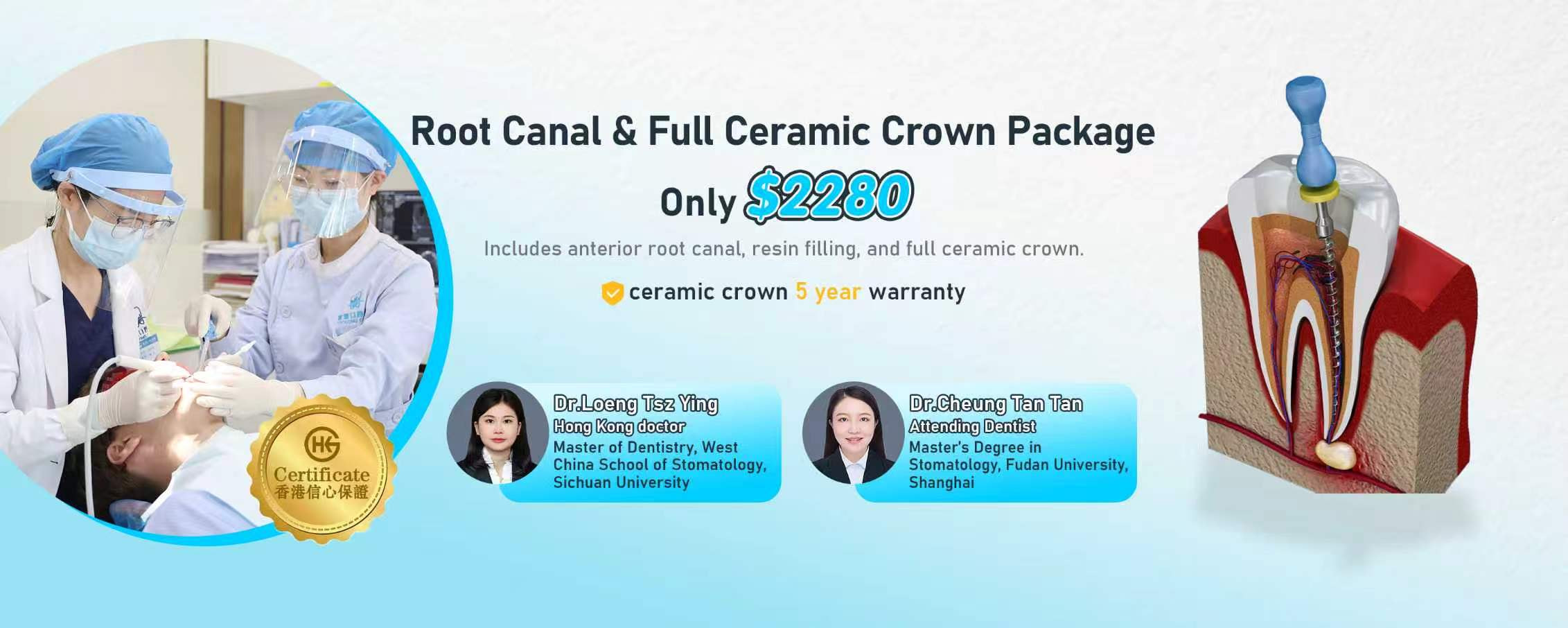
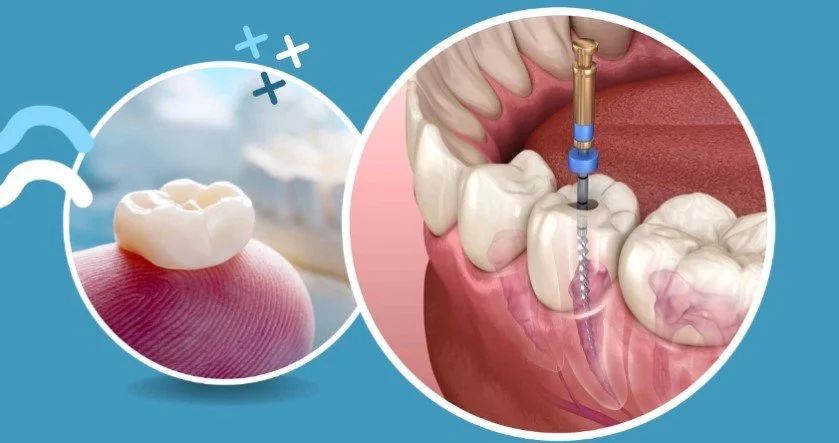
First, lets understand what a root canal treatment involves. It is a process where the dentist removes inflamed or necrotic pulp tissue from inside your tooth, disinfects the area, and seals the root canal. Finally, a crown is placed to protect the tooth. This procedure requires both time and skill and might be completed in one session or several visits.
If you opt for treatment in mainland China, dentists typically schedule the procedure and inform you in advance about how long it will take. Despite the treatment sessions not being overly lengthy, you should be mindful of any minor swelling or discomfort in the tissues around the treated tooth, as these can affect your focus and energy levels at work.
For those who have just completed the procedure and work in office jobs that are not physically demanding, many can return to work the next day. Initially, you may need to adjust to biting more gently and avoiding hard foods on the treated side. However, if your job requires extensive talking, client meetings, or physical exertion, consider whether pressure on the tooth area might increase discomfort.
The post-operative rest recommendations for treatment in mainland China are similar to those in Hong Kong. Dentists generally advise resting on the day of treatment and avoiding intense physical activities, as the recently treated root canal and surrounding tissues need time to stabilize. Moreover, if youre traveling back to Hong Kong right after the procedure, plan for extra rest to prevent exhaustion from affecting recovery.
Addit
ionally, some people may experience sensitivity or hesitance in chewing post-treatment, as the teeth and surrounding tissues are still adapting to their new state. Opt for softer foods like porridge or soup noodles during your meals, temporarily steering clear of overly hot, spicy, or hard foods — gradually transitioning back to normal eating habits.
If your job requires frequent meetings or exchanges with colleagues, consider how oral discomfort might impact speech clarity and communication effectiveness. Many people who travel north for treatment choose to take an extra day off work to ensure they return feeling refreshed, avoiding distractions from pain or discomfort.
Dont overlook the importance of following post-operative care instructions and scheduled follow-up appointments provided by your dentist. They typically advise follow-up visits in the days following the procedure to assess the stability of the tooth and plan subsequent steps, such as fitting a crown. If these appointments coincide with your work hours, arrange leave with your employer to avoid interrupting the treatment process and compromising long-term results.
Psychological factors are crucial too. Some individuals feel anxious after dental surgery, even without pain, detracting from their motivation to return to work. Such feelings are normal, given that oral procedures directly impact daily functions like eating, speaking, and overall mental state. Allow yourself time to adapt—this can lead to more stable work performance.
In summary, whether you can return to work immediately after a root canal treatment in mainland China has no absolute answer. It depends on your physical condition, job requirements, pain levels, and psychological adjustment. While some may feel fine to return the next day, others find it reassuring to wait an extra day or two for complete comfort. The key is to follow your dentists advice, don’t push yourself, maintain oral hygiene, take medications as prescribed, and ensure stable recovery—allowing both work and life to proceed smoothly.
















