





Title: "How Soon Can I Chew Normally After Root Canal Treatment in China?"
In recent years, many Hong Kong residents have opted to travel to mainland China for dental treatments, with root canal treatment being one of the most common procedures. Root canal treatment is primarily used to save an infected or damaged tooth from immediate extraction. However, a frequent question arises post-treatment: when can one resume normal chewing and eating?
**What Happens to the Tooth After a Root Canal?**
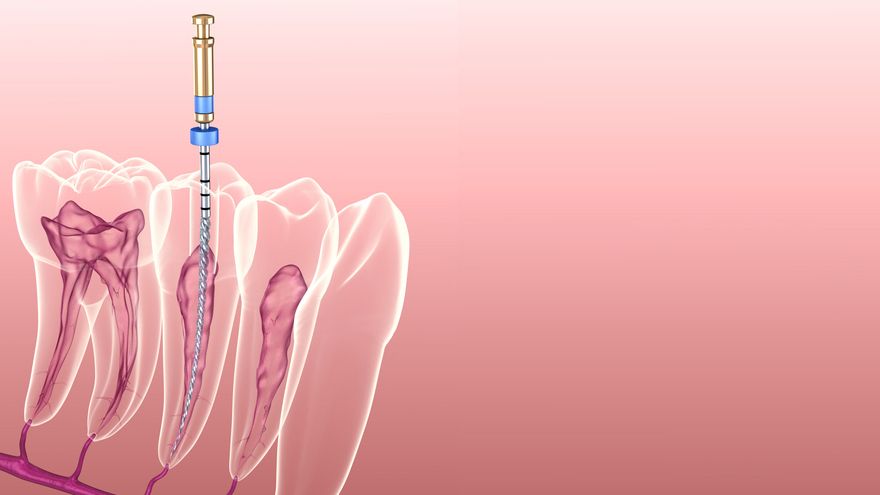
During a root canal procedure, the dentist removes inflamed tissue from within the tooth pulp, disinfects and seals the root, and finally restores the tooth crown with either temporary or permanent filling material. Although this process preserves the tooth, it becomes structurally weaker due to the loss of blood supply and nerve sensation.
**How Long Before You Can Chew Normally?**
Typically, it is advised not to chew hard or heavy foods with the treated tooth for the first couple of days post-procedure. The operation involves the tooth and periodontal tissues, which may be slightly swollen or tender during initial recovery. Additionally, if a permanent crown is yet to be installed, the tooth remains fragile and could crack under pressure from hard foods.
Generally, if a crown is fitted shortly after the procedure, many patients can gradually resume chewing within one to two weeks, starting with soft foods and progressively increasing pressure. Recovery times vary; some individuals feel normal within days, while others, especially those with extensive surgical areas or poor pre-surgery periodontal health, may require more time.
**Tips to Aid Recovery**
1. **Opt for Soft Foods**: Focus on foods like porridge, noodles, steamed eggs, and boiled soups that are easy on the teet
h.
2. **Chew on the Opposite Side**: Allow the treated side to rest and use the opposite side for chewing to give the tooth ample healing time.
3. **Maintain Oral Hygiene**: Use dental floss, mouthwash, and regular brushing to prevent post-operative infections.
4. **Attend Follow-up Appointments**: Regular check-ups ensure the effectiveness of the root canal and allow the dentist to monitor recovery progress.
**Warning Signs to Watch For**
If persistent pain, swelling, pus discharge from the gums, or crown loosening occur, seek dental attention promptly. Most issues can be prevented with adequate rest and adherence to dental advice, but delaying action on these symptoms can jeopardize the treatments success.
**Psychological Preparation and Lifestyle Adjustments**
A root canal is not an immediate "quick fix"; it involves surgery, recovery, and long-term maintenance. Initially, patients might find adjusting difficult, especially having to be cautious while eating. Its crucial not to rush into eating hard foods like steak or tough snacks to avoid undermining the treatment. Furthermore, be prepared for the treated tooth to require lifelong protection, even after complete recovery, by avoiding frequent use for hard food consumption.
**Conclusion**
Undergoing root canal treatment in China is similar to local procedures in terms of process, but postoperative care and recovery strategies are key. Following the treatment, generally within a few days to two weeks, as the tooth adjusts and a permanent crown is secured, you can gradually return to normal chewing. Each patients recovery varies; the safest approach is to adhere closely to the dentists guidelines and progress steadily. Proper dental care ensures prolonged treatment effects and a worry-free eating experience.
















