







### Understanding Tooth Sensitivity After a Root Canal Treatment
In Hong Kong, dental health is something that should never be overlooked, especially if youre facing a root canal treatment. Many people tend to worry about the procedure. Root canal treatment can alleviate prolonged tooth pain or severe pulp inflammation. However, some individuals experience heightened tooth sensitivity afterward, feeling a sharp "tingling" sensation when consuming hot or cold foods. So why does this sensitivity occur, and how can it be managed?
#### Common Causes of Sensitivity After Root Canal Treatment
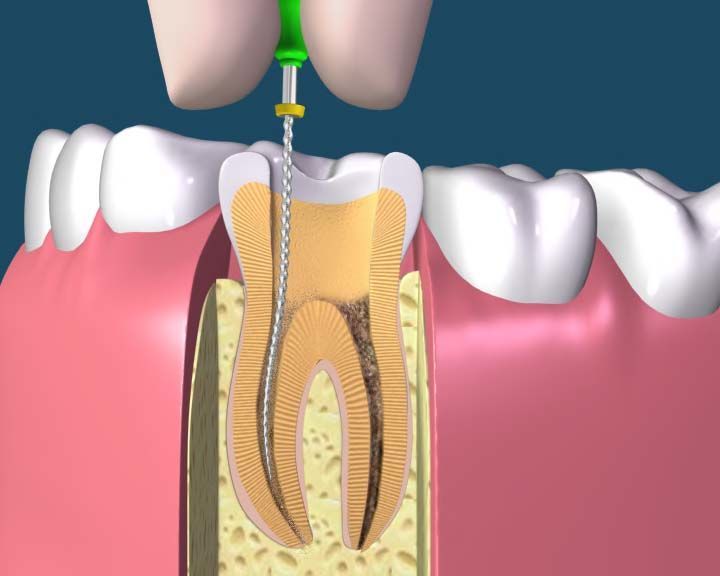
Firstly, its important to understand that a root canal involves removing infected pulp from the inside of the tooth and sealing the root with a filling. During the process, nerves and delicate tissues inside the tooth can be stimulated, leading to minor sensitivity for a short period post-procedure.
Another reason could be pre-existing extensive tooth damage. A tooth thats already significantly degraded or cracked before treatment may become more susceptible to temperature changes due to its weakened structure. Additionally, post-root canal, the tooth loses its natural pulp blood supply, reducing its elasticity and making it more reactive to external stimuli.
Some people do not immediately opt for a crown to protect the tooth after a root canal, causing pressure during chewing to be directly transmitted to the tooths interior, potentially prolonging or exacerbating the sensitivity.
#### Ways to Alleviate Sensitivity
1. **Use a Gentle Toothpaste**
Opt for toothpaste designed for sensitive teeth. The ingredients can help block microscopic channels on the tooth surface, reducing temperature and acid exposure. Make it a daily habit, rather than sporadic use, to see effective results.
2. **Avoid Extreme Temperatures**
Initially, after a root canal, try to avoid extremely cold drinks or very hot soups. Allow your tooth to gradually adjust by consuming foods at lukewarm temperatures. This can help ease
the sensitivity over time.
3. **Maintain Good Oral Hygiene**
Even after a root canal, regular brushing and flossing are essential to prevent bacteria from affecting surrounding tissues. Healthy gums contribute to tooth stability, reducing sensitivity.
4. **Regular Follow-Ups**
Post-treatment, your dentist will likely schedule follow-up visits to ensure everything is in order. If sensitivity persists beyond two weeks and worsens, consult your dentist immediately as it might indicate issues like an improperly fitted crown or existing cracks.
#### Preventive Lifestyle Habits
Avoid using your teeth as tools to open bottle caps, chew on hard objects like hard candies or ice, as these can increase tooth stress. Likewise, limit consumption of overly acidic or sweet foods that can erode tooth enamel, exacerbating sensitivity.
Incorporate calcium-rich and vitamin D foods such as dairy products, tofu, and fish into your diet to support dental and bone health.
Overall body health is crucial too. Adequate rest and nutrition can enhance your immune system, aiding quicker oral recovery.
#### Psychological Adjustment
The thought of a root canal can be daunting, with concerns about future pain or damage. Nonetheless, most people recover quickly and regain normal chewing functions when adhering to professional guidance. Don’t let temporary sensitivity cause undue stress—focus on moderate, attentive care.
#### Conclusion
Experiencing tooth sensitivity post-root canal is not uncommon in Hong Kong, especially when care and protection are inadequate. Identifying the root cause, coupled with regular oral care, can progressively alleviate this issue. Remember to attend regular check-ups and heed your dentist’s advice to avoid additional tooth stress. Sensitivity might not be a severe problem, but addressing it early can keep you smiling with ease and enjoying your meals without worry.
Your teeth are lifelong companions, deserving of your care; even after a root canal, they can remain healthy and strong.
















