








**Post-Treatment Options for Failed Root Canal Therapy in Mainland China**
In recent years, many Hong Kong residents have opted to travel to Mainland China for dental treatments, especially root canal therapy, due to its convenience and the promise of addressing toothache swiftly. However, some return to find that the results are not as expected, experiencing symptoms like recurring toothache, swelling, or discomfort when biting. So, what can be done when a root canal treatment fails? Theres no need to panic as long as you understand the causes and subsequent solutions, allowing you to make well-informed decisions.
**Why Does Root Canal Treatment Fail?**
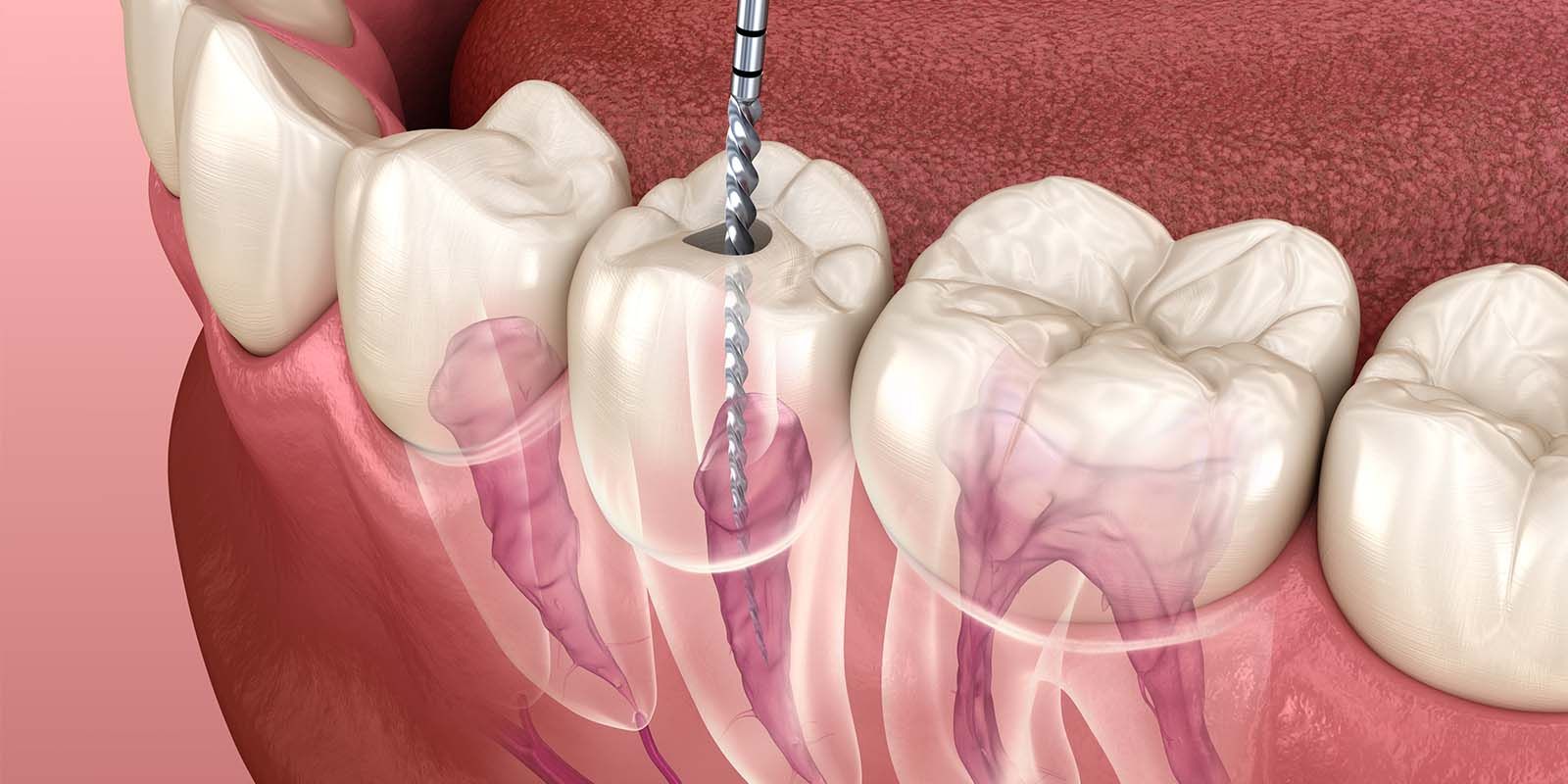
Root canal treatment involves removing infected pulp tissues from inside the tooth and sealing it to prevent further bacterial invasion. Failures can occur if the cleaning is not thorough, or if sealing is inadequate, allowing bacteria to infect the root area again. Issues like root fractures or poorly fitted crowns can also lead to treatment failures. Additionally, individuals with complex dental structures may face higher risks due to the increased difficulty of the procedure.
**Common Symptoms After Treatment Failure**
When a root canal fails, common symptoms include recurrent tooth pain, sometimes accompanied by swelling or gingivitis. Patients might feel as if their tooth is floating, hesitant to bite down hard. Severe cases may present with periodontal abscesses or slight facial swelling. Ignoring these symptoms can lead to infection spreading, impacting both oral and overall health.
**Options for Correcting Failed Treatments**
First, consult a professional dentist for a thorough examination, including dental X-rays to assess the condition of the roots and surrounding bone. If the roots are still healthy, retreatment, or re-root canal therapy, might be possible, which involves cleaning and resealing the tooth. Sometimes, microscopic tools are used to ensure all root channels are fully disinfected.
If severe issues are identified, such as irreparable root damage or failed retreatment, you might consider
apicoectomy to directly treat the root tip; if its necessary to extract the tooth, options like dental implants or bridges are available to maintain bite function and aesthetics.
**How to Minimize the Risk of Treatment Failure**
Whether seeking treatment in Hong Kong or Mainland China, choosing an experienced and reputable dentist is crucial. Understand the process thoroughly and feel free to ask questions. Follow post-treatment instructions diligently and maintain excellent oral hygiene practices, such as daily brushing, flossing, and regular check-ups. If you notice anything unusual with your teeth, seek a follow-up appointment promptly.
**Considerations for Treatment in Mainland China**
If you opt for retreatment in Mainland China, consider seeing the original dentist or another practitioner skilled in microscopic root canal procedures, as equipment and expertise significantly impact success rates. Account for the recovery period, as multiple visits may be necessary, and plan your schedule and travel accordingly.
Its beneficial to keep records and X-rays from previous treatments to aid the new dentist in assessing your case accurately, reducing redundant procedures and ensuring precise diagnostics.
**Mindset and Aftercare Management**
Failed root canal therapy does not necessarily mean you have to surrender the tooth. Dental technology today is advanced, with many successful cases of corrective treatments. The key is prompt action to prevent infection from spreading. Maintain a positive mindset and patience, as corrective procedures might require multiple sessions, during which youll need to adapt and protect your teeth. Follow-up care is crucial to ensure long-term success of the treatment.
Overall, a failed root canal treatment in Mainland China is not the end of the road. With the right professional dental team and careful personal care, successful corrective measures can often restore your teeth to health and comfort. Being vigilant about changes in your dental condition and taking immediate action can minimize complications and avoid further damage.
















