









Will Undergoing Root Canal Treatment in Mainland China Leave Any Side Effects?
In recent years, a significant number of Hong Kong residents have traveled to Mainland China for dental treatments, with root canal therapy being a common consideration. Root canal treatments are not exactly a new concept; however, when undergoing such procedures abroad, theres often a lingering concern: Could there be any side effects? This is not just a medical issue but is also tied to long-term dental health and quality of life.
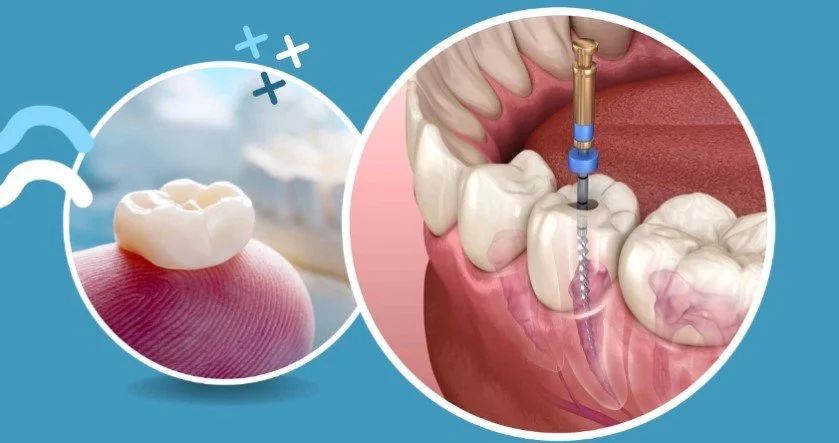
Root canal therapy is designed to save severely decayed or inflamed teeth. The procedure involves removing the infected pulp from within the tooth and sealing it with a filling, thereby preventing further bacterial infection. Ideally, if the surgery is performed meticulously and followed by proper maintenance, a root canal can last many years, potentially a lifetime, without significant side effects. However, some people may feel that the treated tooth is not as strong as before or experience occasional mild sensitivity, which are generally common and not serious concerns.
When considering traveling to Mainland China for such treatments, the first priority should be the qualifications of the clinic and dentist. Reputable and experienced dentists will spend sufficient time examining you to ensure that the equipment and materials used meet quality standards. Inadequate sterilization and technique could lead to postoperative infections, potentially affecting adjacent teeth. Secondly, post-treatment care is crucial. After a root canal, dentists usually recommend placing a crown to protect the tooth, helping to distribute the bite force evenly and reducing the risk of cracks or fractures.
Moreover, in the few days following the procedure, its best to avoid using the treated tooth to bite hard
foods such as hard candies or bones, to prevent excessive pressure on the newly treated tooth. Maintain a routine of brushing and flossing daily to prevent inflammation in other teeth, as oral health is interconnected, not reliant on a single tooth alone.
Some people worry that a root canal might make a tooth "dead" or cause it to discolor quickly. This occurs because removing the pulp cuts off the tooths blood supply, potentially leading to a gradual darkening of the tooth. To maintain an aesthetic appearance, options like whitening or porcelain crowns can be considered to gradually improve the look. As for persistent tooth pain after a root canal, it usually indicates incomplete infection removal or a severely cracked tooth, requiring immediate follow-up with a dentist.
In the long run, the side effects of a root canal largely depend on three factors: the dentists skill, the quality of treatment, and your own ongoing care. Even if you undergo the procedure in Mainland China, choosing the right facility, clear communication, and following aftercare instructions can minimize risks to levels comparable to receiving treatment in Hong Kong. Conversely, focusing solely on lower costs and faster service without considering clinic facilities and hygiene increases the likelihood of requiring remedial treatments back in Hong Kong.
Finally, its important to remember that a root canal is not a one-time permanent solution. While it preserves the tooth, it cannot guard against all future damage. Regular check-ups, good oral hygiene, and avoiding overly sweet or acidic foods form the foundation of dental health. If you select a trustworthy dentist, be it in the Mainland or Hong Kong, the risks associated with root canal treatment are minimal, potentially extending the life of your teeth and enhancing daily comfort.
















