






**Will Traveling North for Root Canal Treatment Affect My Braces?**
In recent years, many Hong Kong residents have opted to travel north to places like Shenzhen or Guangzhou for dental treatments. The reasons are straightforward: convenient transport, a wider range of options, and often, more modern dental equipment. However, for those already wearing braces, discovering a dental issue that requires a root canal may lead to concern: Will undergoing this procedure in mainland China affect my existing braces?
**Understanding Root Canal Treatment**
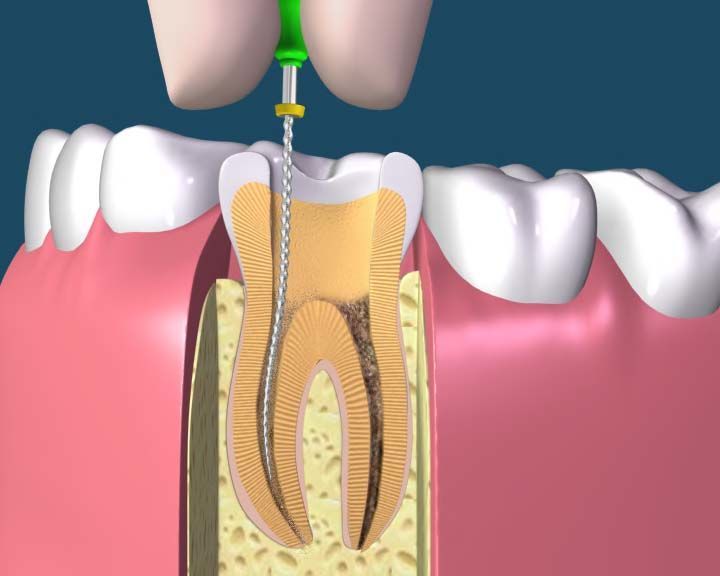
Commonly known as "nerve cleaning," root canal treatment addresses inflammation, necrosis, or infection of the dental pulp within the tooth. The procedure involves cleaning out the damaged tissue, disinfecting, and then sealing the tooth with a filling material. The aim is to save the original tooth rather than extracting it. For individuals with braces, needing a root canal can be nerve-wracking because braces work by connecting multiple teeth for alignment, leading to concerns about whether the treatment might disrupt this process.
**Impact of Root Canal Treatment While Wearing Braces**
Generally, braces apply pressure through brackets and archwires to gradually move teeth into their desired positions. Root canal treatment focuses on the tooths nerve and root, not altering the exterior shape of the tooth itself. Therefore, in most cases, the treatment does not structurally damage the braces. However, if the affected tooth is a key focus in the braces adjustments, such as a front tooth or canine, the treatment might require the dentist to temporarily remove specific brackets or adjust the archwire to accommodate the procedure and prevent excessive stress on the tooth. These adjustments are usually short-term, and post-treatment, braces can be reinstalled to continue the orthodontic process.
**Importance of Communication with the Dentist**
For those traveling north for dental care, its crucial to bring your orthodontic plan, X-rays, or dental records for the new dentist’s referen
ce. Different dental systems may maintain records in various formats, and without complete details, the dentist might not fully understand the progress of your tooth movement. Additionally, clearly inform the dentist that you are currently under orthodontic treatment and provide details of your Hong Kong orthodontist to aid coordination and prevent conflicts with the existing treatment plan.
**Post-Treatment Follow-Up and Care**
After a root canal, the treated tooth typically becomes more vulnerable. Since braces apply daily correctional forces, an unstable post-treatment tooth risks breaking or becoming sensitive. Dentists might recommend protective measures like adding a brace shield, fitting a temporary crown, or reducing the applied force to allow recovery time. Upon returning to Hong Kong, promptly updating your original dentist about the treatment details can enable necessary adjustments to the orthodontic plan. Continuous follow-up is key to maintaining dental health and ensuring optimal orthodontic results.
**How to Minimize Impact**
1. **Plan Ahead**: If you know a tooth has issues, consult with your Hong Kong orthodontist to assess if adjustments can be delayed or need immediate attention.
2. **Carry Complete Records**: Include X-rays, progress charts, and contact details of your orthodontist.
3. **Immediate Follow-Up Post-Treatment**: Schedule a check-up soon after returning to ensure braces and tooth conditions are stable.
4. **Daily Maintenance**: Maintain rigorous oral hygiene to reduce the risk of reinfection.
**Conclusion**
Traveling north for root canal treatment may not necessarily have long-term effects on those with braces. However, this depends on tooth positioning, treatment methods, and the level of coordination with dentists. The essential steps include proactive communication, retaining comprehensive dental information, and cooperating with your original dentist for aftercare. This approach allows you to safeguard both dental health and orthodontic progress without letting either one impede the other.
















