





**Is Traveling to the Mainland Suitable for Repeatedly Inflamed Teeth?**
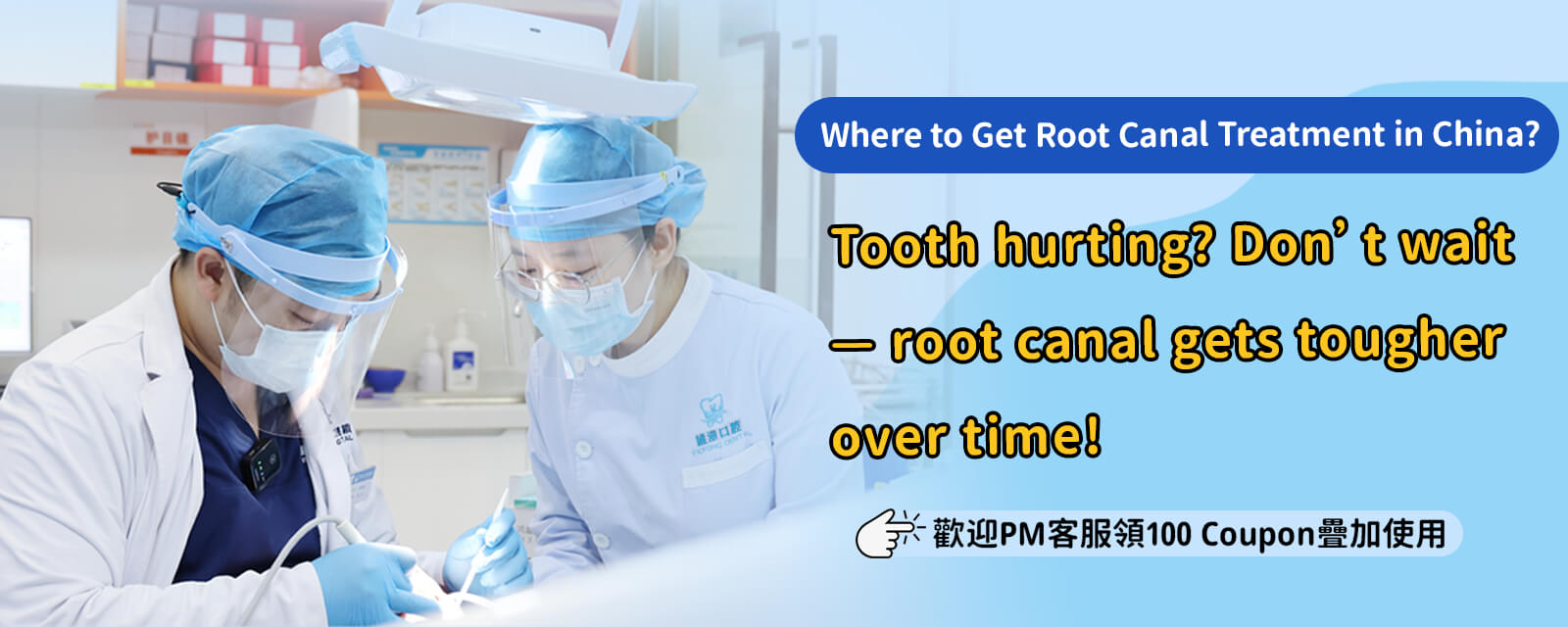
In recent years, many Hong Kong residents have considered the "trend" of seeking dental care in mainland China due to the advancements in dental technology and facilities, as well as the convenience and variety of options available there. However, for individuals experiencing recurrent tooth inflammation, the question arises: "Should I go to the mainland for root canal treatment?" This isnt a straightforward "yes" or "no" answer, as it depends on the condition of your teeth and overall health, the timing of the treatment, and practical considerations regarding seeking dental care in the mainland.
### What Are Repeatedly Inflamed Teeth?
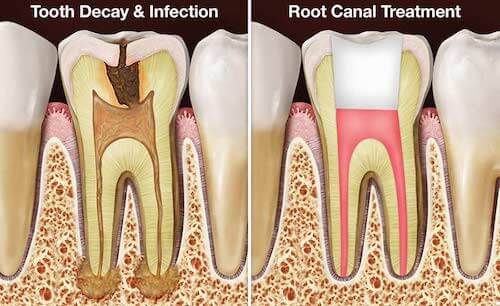
If your tooth is frequently inflamed, it typically means that the pulp has become infected or the periodontal tissues surrounding the root are inflamed. This can cause swelling, pain, and even abscesses. If left untreated, the infection can gradually affect more teeth and potentially impact your overall health. Root canal therapy is a common dental procedure aimed at removing bacteria and necrotic tissue from the pulp, sealing the root canal to prevent further infection.
### Advantages of Seeking Root Canal Treatment in the Mainland
There are several advantages to consider if youre planning to go to the mainland for root canal treatment:
1. **Modern Equipment:** Many dental clinics in mainland cities are equipped with advanced technology, including microscope-assisted procedures that allow for more precise treatment of the internal structure of the root canal.
2. **Variety of Options:** There are both public and private dental clinics across various cities, providing flexibility to align with your travel schedule.
That said, its crucial to find a trustworthy dentist before you go. Recommendations from friends or family who have had positive experiences can significantly minimize risks.
### Considerations Before Traveling
1. **Current Condition:** If you are experiencing an acute phase with severe pain, facial swelling, or fever, its best
to seek immediate treatment from an emergency dental facility in Hong Kong. Stabilizing the inflammation before planning a trip for root canal treatment is safer, as travel itself requires time, and unexpected delays could worsen your condition.
2. **Treatment Continuity:** Root canal treatment is typically not completed in one visit and often requires multiple sessions, including the potential placement of a crown afterward. You need to consider your travel frequency to the mainland and whether you can consistently attend follow-up visits. Some individuals start treatment during their first trip and, due to work commitments, fail to complete it, resulting in reinfection.
3. **Additional Dental Issues:** Sometimes, the issues causing repeated inflammation go beyond the pulp, involving periodontal disease, cracks in the tooth, or poor positioning, which can influence the success of a root canal. Therefore, getting a detailed examination, including X-rays, in Hong Kong is advisable. This allows you to take the necessary information to the mainland dentist, avoiding unnecessary trips if the procedure is not feasible.
4. **Language and Communication:** While Cantonese is widely spoken in the Pearl River Delta, most dentists in other cities may speak Mandarin. Ensure you can clearly communicate your symptoms and concerns. Proper pre-treatment communication is crucial for reducing misunderstandings and ensuring the treatment plan is tailored to your needs.
### Conclusion
Considering root canal treatment in the mainland for repeatedly inflamed teeth is a viable option, but its not suitable for every situation. In cases of acute inflammation, immediate local treatment is advised. If the condition is stable and aligns with your schedule, and youve found a skilled and reliable dentist, traveling to the mainland could be feasible. The key is thorough planning—dont rush based purely on hearsay about mainland dental care. Make informed decisions that consider your dental and personal circumstances, ensuring effective pain relief and preservation of dental health.
















