








**Is There a Noticeable Difference Before and After Root Canal Treatment Across the Border?**
In recent years, many Hong Kong residents have considered seeking dental treatment in mainland China, especially when experiencing severe tooth pain. Often, dentists recommend root canal treatment, colloquially referred to as "nerve extraction." However, a common question that arises is, "Is there a significant difference between getting the treatment in China versus Hong Kong?" Today, we’ll explore this topic from a practical, relatable perspective, examining the differences and important considerations.
**What is Root Canal Treatment?**
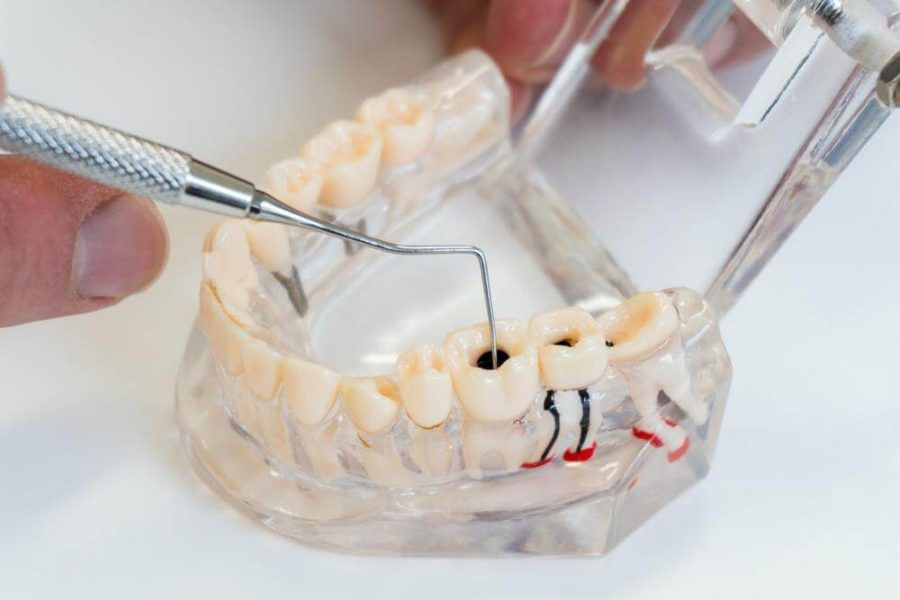
Root canal treatment is primarily used to address inflammation, infection, or damage in the dental pulp. The pulp houses nerves and blood vessels, and when issues such as periodontal disease, severe decay, or trauma occur, the nerves may become inflamed or necrotic. If untreated, the pain can intensify and may affect surrounding teeth or gums. Root canal treatment involves removing the necrotic pulp, disinfecting the area, and sealing the canal to preserve the tooth.
**Preparation for Treatment Across the Border**
Whether in Hong Kong or mainland China, it’s essential to consult a dentist to confirm the need for a root canal. Before heading across the border, bring any previous dental X-rays or medical records for a quicker assessment by the dentist. Additionally, monitor for symptoms such as swollen gums or loose teeth to avoid requiring extensive treatment in one visit.
**Treatment Process and Experience Across the Border**
The procedure for root canal treatment across the border generally mirrors that in Hong Kong—local anesthesia, opening the tooth cavity, cleaning the necrotic pulp, disinfecting, and sealing. On the first day, you might feel slight "tenderness," but the pain diminishes significantly. Some cases require two to three follow-up visits to complete the sealing and capping, so time should be allocated accordingly.
**Noticeable Differences Before and After Treatment**
Pre-treatment, pain is the most significant issue, often intensifying at night and making it difficult to chew on the affected side. Some even experience throbbing pain that disrupts work, appetite, a
nd mood. Post-treatment, provided there’s no infection, the acute pain vanishes within a few days, chewing becomes easier, and overall well-being improves remarkably.
Additionally, teeth may discolor or develop spots, especially if not capped post "nerve extraction," resulting in a grayish appearance compared to adjacent teeth. After sealing and adding a crown, functionality and aesthetics are largely restored, allowing you to smile confidently.
**Adaptation Period and Care Essentials**
Post-treatment, while pain is reduced, the tooth remains somewhat fragile due to loss of nerves and some tooth structure, making it prone to cracking if forcefully used on hard objects. Avoid hard candies and bones, and refrain from using the treated side on very hard foods. Maintain oral hygiene by brushing, flossing, and rinsing daily to reduce the risk of further decay.
**Psychological Impact Differences**
Before treatment, many worry about unbearable pain, resorting to painkillers, and the fear of losing the tooth. Knowing the tooth is retained post-treatment alleviates much of this pressure. Theres emotional relief in having opted for treatment and not procrastinated.
**Considerations for Cross-Border Treatment**
There’s a wide variety of dental clinics across the border, varying in equipment and expertise. It’s crucial to choose reputable and well-reviewed dentists, possibly by consulting friends or checking online. Anticipate travel and scheduling needs, especially for treatments requiring multiple follow-ups, and plan your itinerary accordingly.
**Conclusion**
Undergoing root canal treatment across the border reveals stark contrasts—transitioning from persistent pain and compromised quality of life to significant pain relief and improved functionality and appearance post-treatment. Whether in Hong Kong or across the border, the key is finding a skilled, trustworthy dentist and committing to post-treatment care to ensure long-lasting dental health and unrestrained smiles.
If you’re experiencing tooth pain and suspect you need a root canal, consult professional advice and assess where best to undergo treatment. Most importantly, don’t delay, and experience firsthand the profound difference before and after treatment.
















