




**Will Root Canal Treatment in Mainland China Lead to Reinfection?**
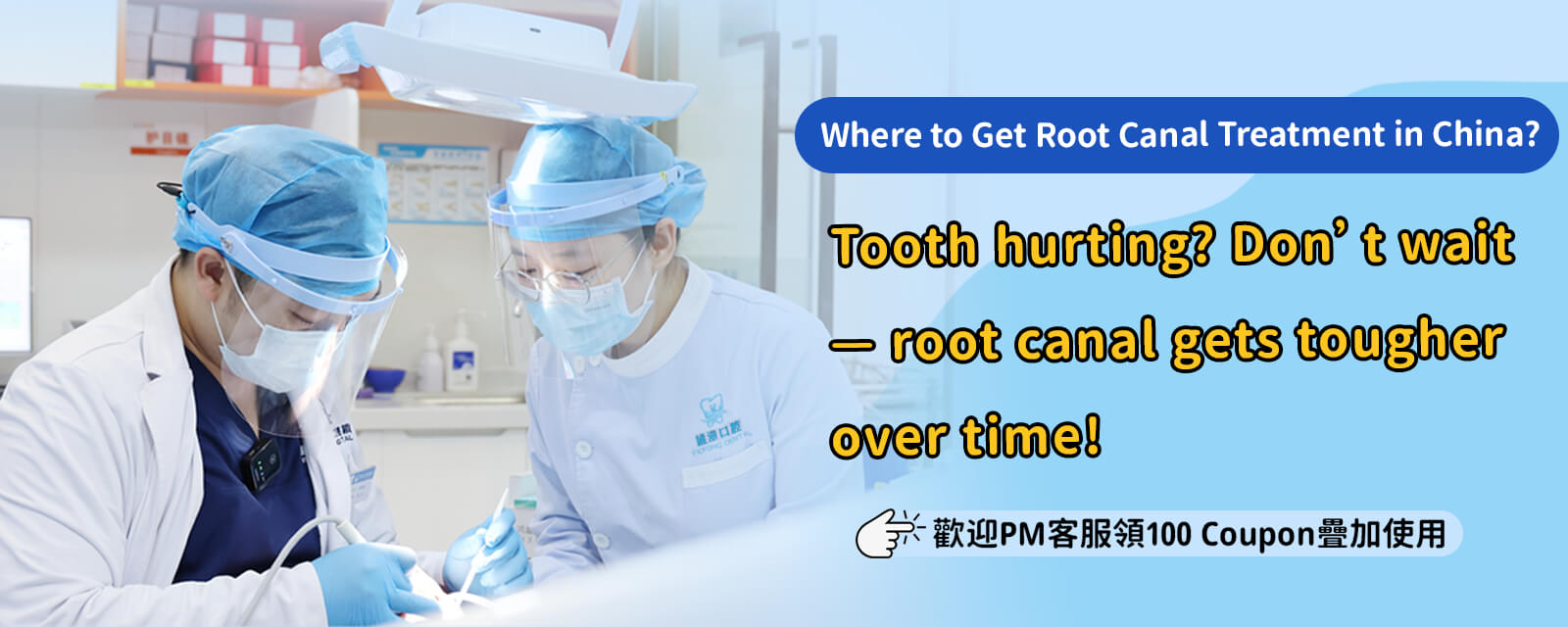
Root canal treatment is a common dental procedure both in Hong Kong and Mainland China, primarily addressing issues like pulpitis, nerve necrosis, or damaged teeth. Many Hong Kong residents choose to travel north for dental care, yet often worry whether their root canal might lead to reinfection. Particularly with cross-border treatment, understanding the effectiveness and potential risks of the procedure is crucial.
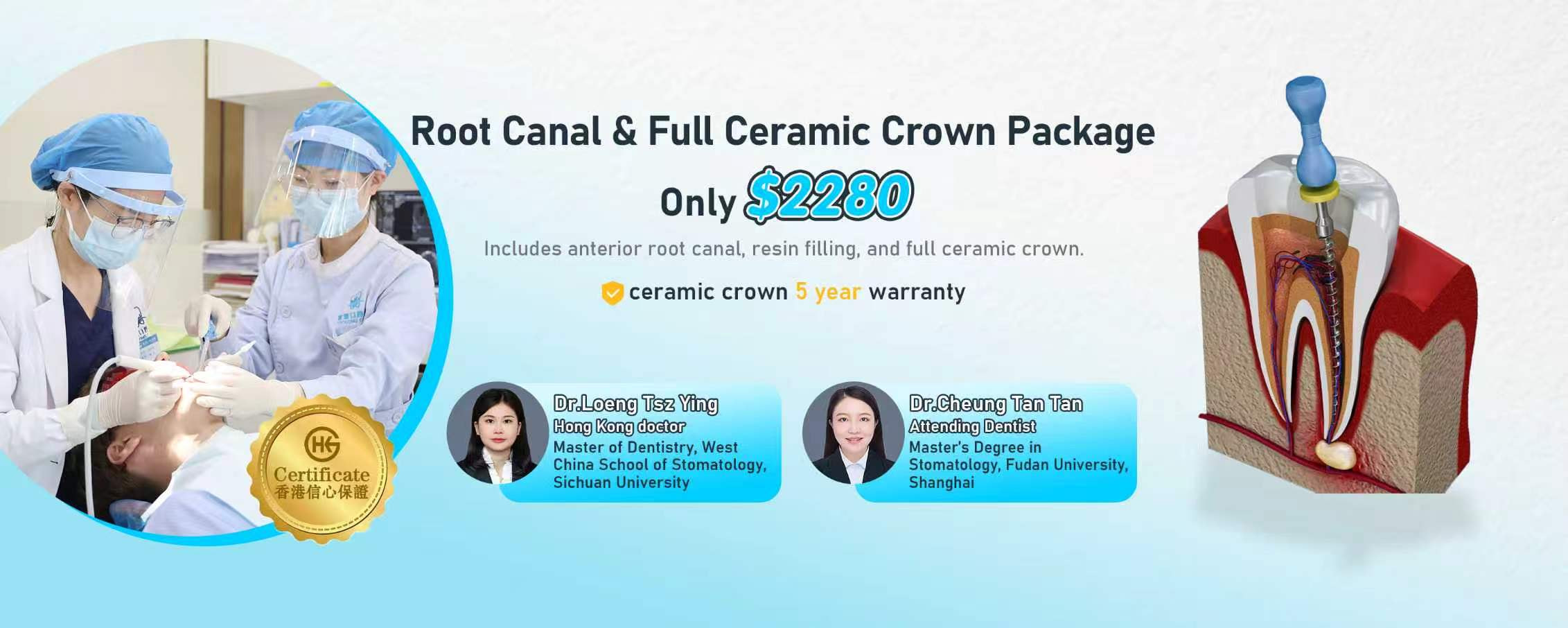
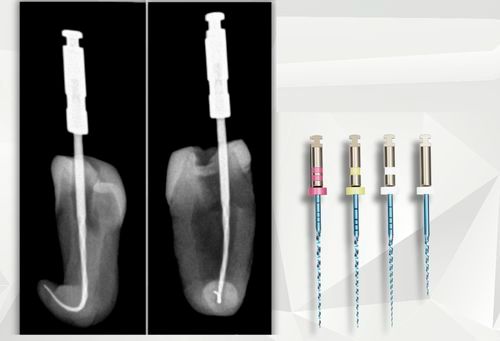
To begin, its essential to understand that root canal treatment involves thoroughly cleaning the infected or inflamed pulp within a tooth and then sealing the canal with filling material to prevent bacterial re-entry. Ideally, if performed well with meticulous cleaning and tight sealing, the tooth can be preserved long-term. However, variations in medical expertise, equipment quality, and personal aftercare habits can impact the treatments success.
Some might wonder, "Does getting a root canal treatment in Mainland China increase the risk?" In reality, whether in Hong Kong or Mainland China, experienced and ethical dental professionals can offer high-quality treatment. Nonetheless, reinfection is more likely in cases where: firstly, not all infected tissue is removed during treatment; secondly, sealing materials are not adequately tight; thirdly, post-treatment tooth cracks allow bacteria to invade again.
Cross-border treatment involves unique factors. For example, post-treatment follow-ups are necessary to monitor tooth condition. If returning to the original clinic is inconvenient, finding another dentist to continue care is necessary. During follow-ups, dentists need previous treatment records and X-ray images. Incomplete records can influence their assessment. These arent issues exclusive to Mainla
nd China, but they are more prevalent in cross-border cases.
To minimize the risk of reinfection after a root canal, consider the following suggestions:
1. Choose a dental clinic with modern equipment and hygienic conditions. Comprehensive facilities enable dentists to better assess canal structures, ensuring thorough cleaning.
2. After a root canal, follow your dentist’s advice to get a dental crown. Post-treatment teeth can become fragile, prone to cracking; a crown can mitigate breakage and bacterial invasion.
3. Maintain oral hygiene daily by brushing teeth and flossing between teeth, avoiding extremely hard or sugary foods to lessen tooth stress.
4. Schedule regular check-ups. Even in the absence of pain, visiting a dentist semi-annually for early problem detection simplifies treatment significantly.
In reality, tooth infections seldom develop overnight but are often the result of long-term neglect. Many people only visit the dentist when nerve damage occurs, necessitating root canal treatment. Whether treatment is in Hong Kong or Mainland China, the key concerns remain treatment quality and consistent aftercare.
Additionally, understand that root canal treatment isnt a one-time fix for all cases. Some teeth have complex canals, requiring multiple sessions for complete cleaning. Failing to adhere to the treatment plan or waiting too long can provoke reinfection.
In summary, the risk of reinfection after a root canal is not location-dependent; its determined by the quality of technique, equipment, and personal care habits. By choosing reputable and professional dental clinics and prioritizing oral health, subsequent infection risks can be greatly reduced. Teeth are lifelong companions, and regardless of where treatment occurs, investing in their care and maintenance is worthwhile.
















