




**Can Traveling to Northern China Really Save You from Tooth Extraction?**
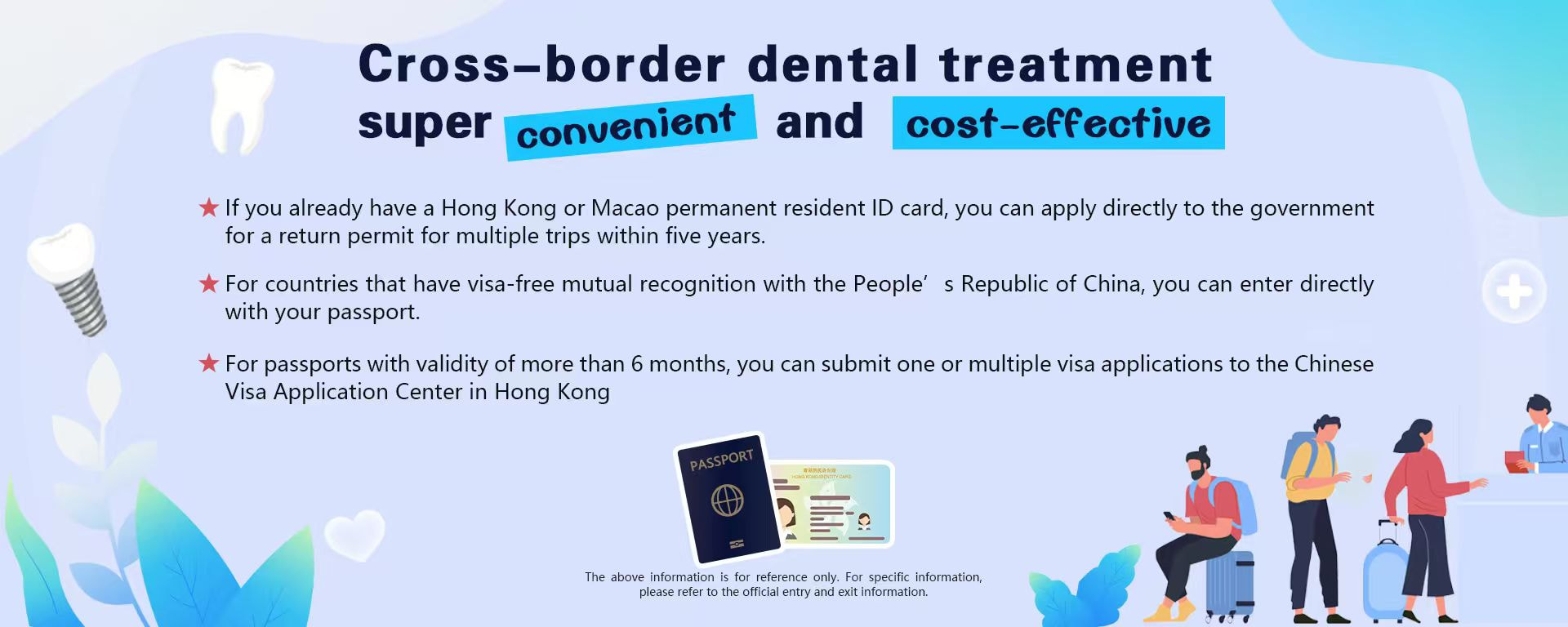
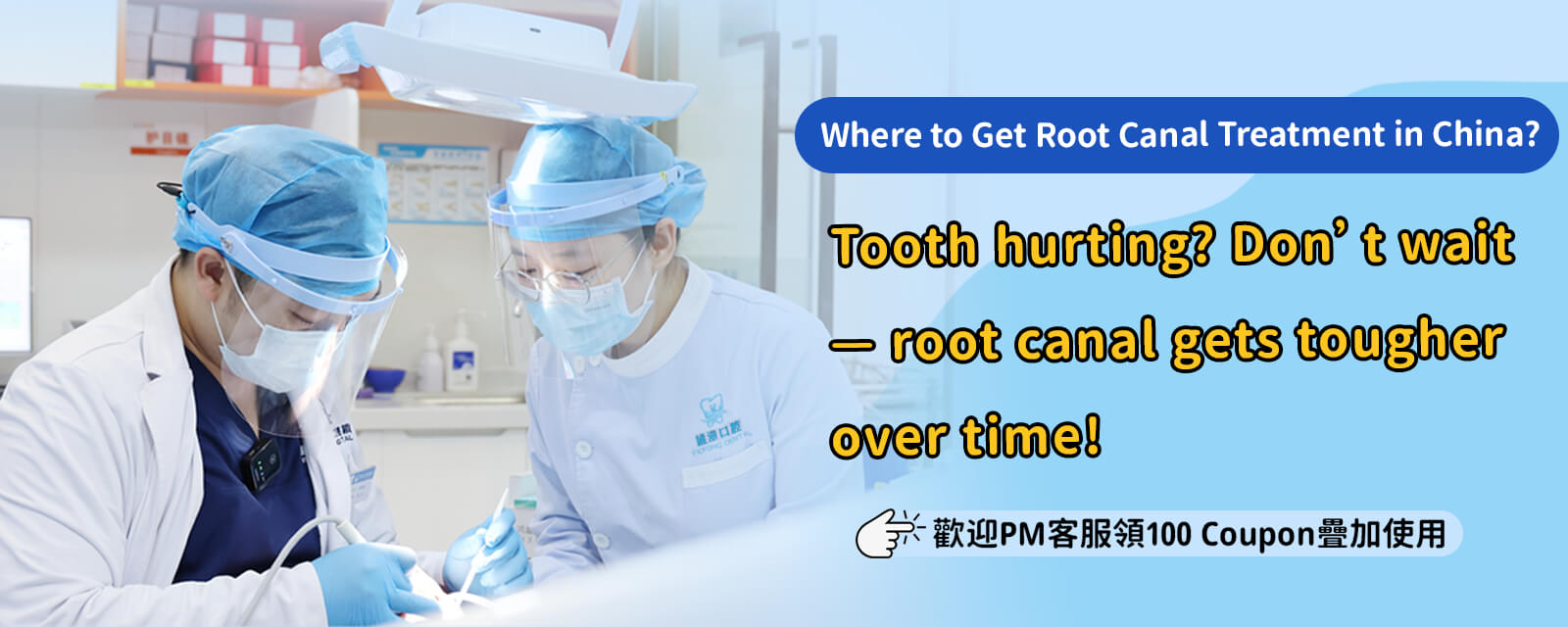
In recent years, many Hong Kong residents have been traveling to Shenzhen and other mainland cities for dental care. Root canal treatment, widely known as a way to preserve teeth, is a major topic of interest. Theres a belief that "going north for root canal treatment saves time and prevents tooth extraction," but how true is that? Here, we explore this from a practical Hong Kong lifestyle perspective.
**What is Root Canal Treatment?**
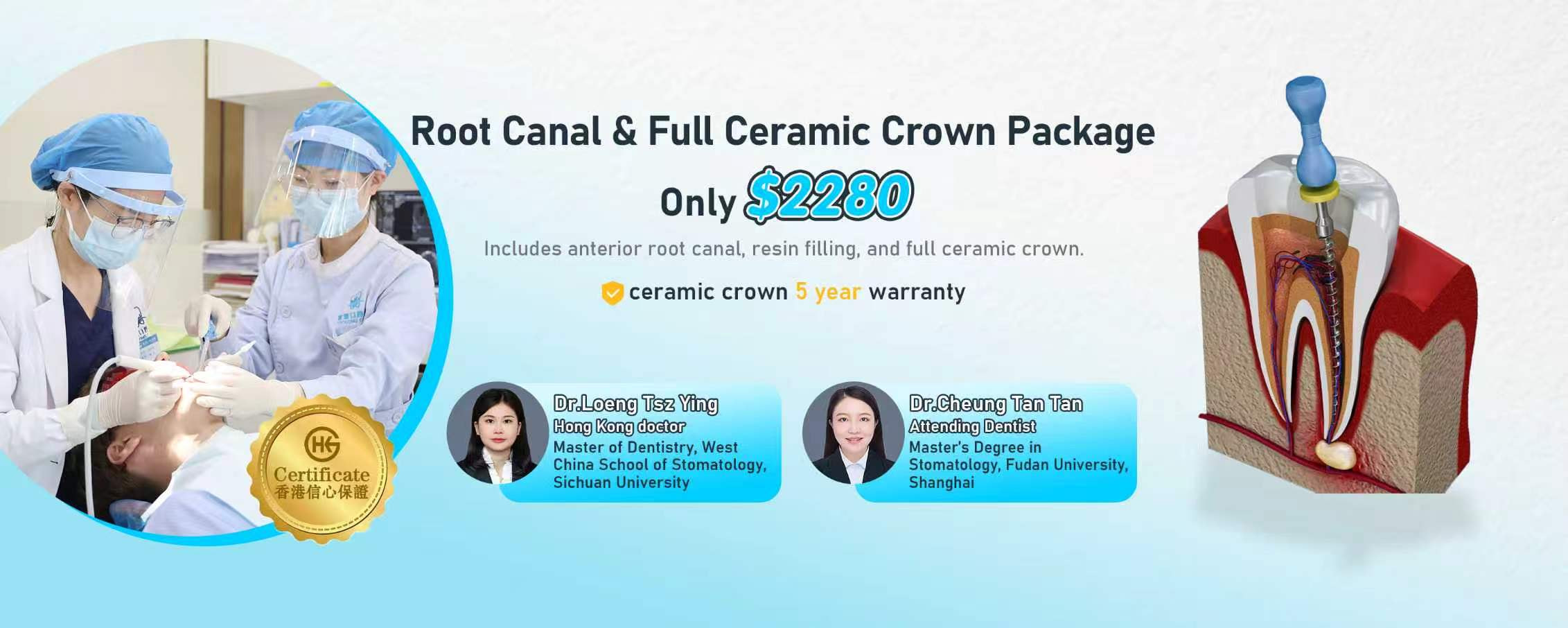
Root canal treatment involves the cleaning of infection and removal of dead tissues from the dental pulp, followed by sealing the roots with special materials to prevent further infection. Typically, if the dental pulp is damaged due to cavities or external impact, dentists recommend this treatment to retain the shape and function of the natural tooth. Unlike direct extraction, root canal treatment aims to preserve your natural teeth.
**Why Do Hong Kong Residents Prefer to Travel North for Dental Care?**
Many people have shared their experiences of traveling north for dental care, citing quicker appointment scheduling and satisfactory technical skills. Additionally, dental clinics in mainland China often have newer equipment and utilize digital examinations, allowing patients to immediately observe treatment progress. While Hong Kong provides professional dental services, waiting times can be prolonged, leading individuals to seek faster solutions to alleviate dental pain.
**Does Root Canal Treatment Guarantee Tooth Extraction Prevention?**
In reality, root canal treatment is not a cure-all. Its main purpose is to retain your tooth, but success greatly depends on the severity of tooth damage. If the damage extends to the root or if severe infection affects the jawbone, extraction might still be necessary despite undergoing root canal treatment. Post-treatment care, such as adding a dental crown to prevent further fractures, is essential to avoid reversing treatment benefits.
**Factors to Consider for Traveling North for Root Canal Treatment**
1. **Technical Expertise and Equipment:**

Find an experienced dentist, and ensure the clinic follows comprehensive sanitation protocols, as root canal treatment requires an extremely clean environment to prevent bacterial invasion.
2. **Communication:** Despite using the same language, medical terminology may vary, necessitating clear understanding of procedures and risks beforehand.
3. **Follow-up Care:** Root canal treatment isnt one-time. Regular check-ups post-treatment are crucial for dental stability. Consider whether follow-ups in Shenzhen or in Hong Kong are more convenient.
4. **Time Management:** Consider logistics, such as travel and border crossing time. Immediate treatment might be necessary if dental pain is severe.
**Practical Advice**
If you’re experiencing dental pain, consult a dentist immediately to assess the need for a root canal treatment. Avoid self-medicating with painkillers, as untreated infections can worsen over time. Prepare for multiple treatment sessions and maintain patience in dental care following a root canal. Whether in Hong Kong or mainland China, ensuring a trustworthy, experienced dentist is key to safe and effective treatment.
**Conclusion**
Traveling north for root canal treatment offers advantages like speed, variety of options, and modern equipment, but claims of "guaranteed extraction avoidance" depend on individual tooth conditions and treatment results. The primary aim of root canal treatment is to preserve natural teeth, but not all damaged teeth can be saved. Protecting your teeth in Hong Kong involves regular brushing, routine check-ups, and avoiding hard foods to minimize decay and severe dental issues, thereby reducing extraction risks.
Dental health preservation relies on regular care and timely professional treatment. While traveling north for root canal treatment is a viable option, it’s not an absolute "lifesaver." The focus should be on choosing the right method and timing for the best chance to avoid tooth extraction.
This content, structured with search-friendly subheadings and informative detail, aids in optimizing its visibility for those seeking related information online.
















