






“How to Decide If You Need a Root Canal Before Heading North”
In recent years, more Hongkongers are considering traveling north for dental care, particularly for root canal treatments. The motivation goes beyond just cost savings; many believe that dental technology and equipment in mainland China are quite advanced. However, experiencing dental pain doesnt necessarily mean you need a root canal. Sometimes, other treatments can address the issue without resorting to such an extensive procedure. Therefore, understanding how to assess your need for a root canal before heading north is worth exploring.
**What is a Root Canal Treatment?**
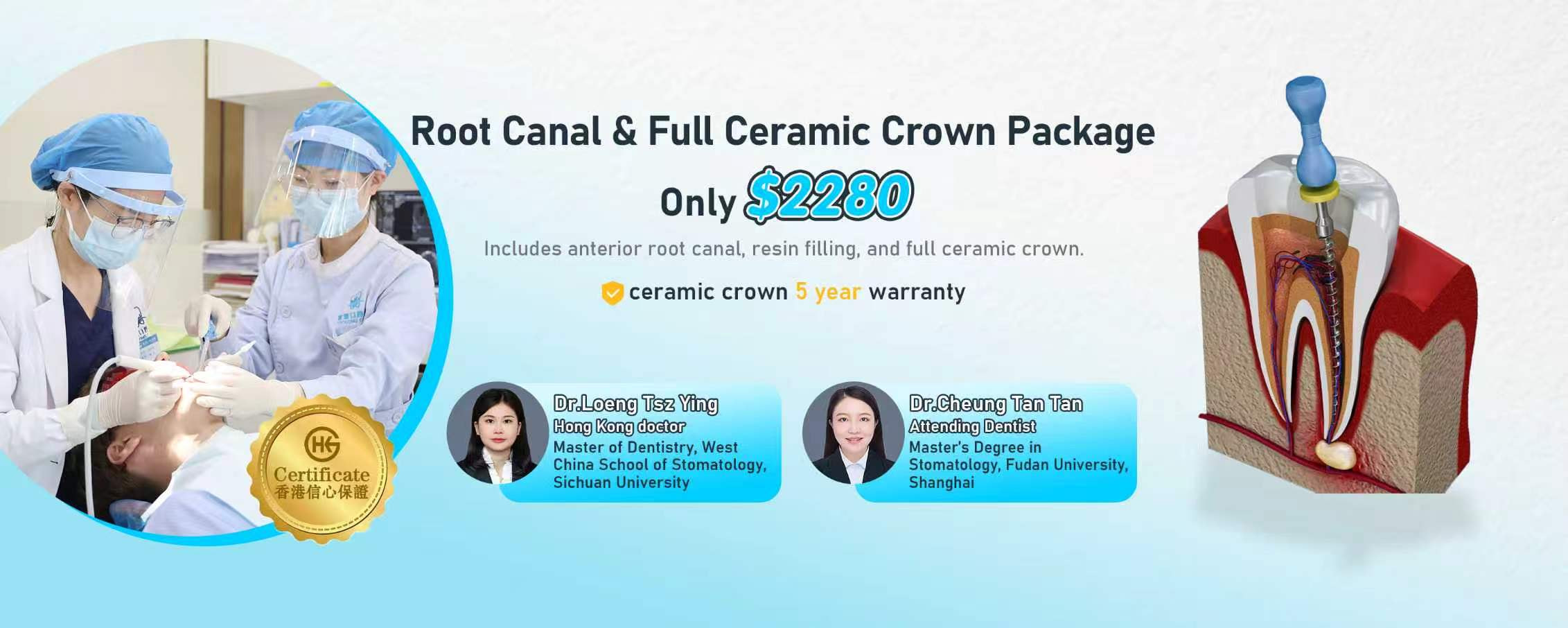
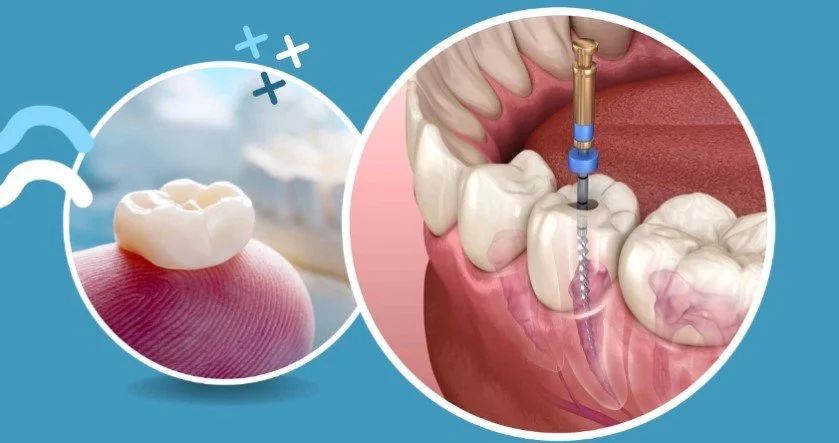
In simple terms, a root canal involves removing damaged pulp from inside the tooth—this includes nerves and blood vessels—due to decay, trauma, or infection, followed by sealing the tooth with filling material. This procedure maintains the tooths shape and function, although it loses sensation as the nerve is removed. The tooth remains “alive” structurally but its vitality ceases.
**When Might You Need a Root Canal?**
Firstly, persistent toothache, especially if it intensifies at night or spreads discomfort to the ears, head, or face, may signal pulpitis. Secondly, when tooth decay reaches the pulp and X-rays show the dark spot in the pulp chamber, a root canal might be necessary. Thirdly, trauma to a tooth might leave it apparently intact but with damaged or inflamed nerves, possibly necessitating a root canal.
**Situations Where a Root Canal May Not Be Needed**
Some cases of gum swelling or bleeding are primarily due to periodontal disease or excess tartar, which can be managed with scaling, cleaning, and improved oral hygiene rather than root canal treatment. Early-stage cavities within the enamel can often be fixed with fillings instead. Additionally, tooth sensitivity or occlusal issues causing pain may be resolved by adjusting bite surfaces or using desensitizing toothpaste.
**Self-Examination Before Heading North**
1. **Pain Level**: Is your pain occasional or constant? Intermittent pain may not indicate pulpitis, while continuous
pain exacerbated by hot or cold stimuli should raise concern.
2. **Tooth Color**: Has it darkened or become greyish? A dying nerve often results in discoloration.
3. **Gum Status**: Are your gums swollen or are there abscesses? These symptoms suggest infection spreading towards the roots.
4. **Previous Treatment History**: Persistent pain after major fillings may indicate unresolved infection during the procedure.
**Preparation for Visiting a Mainland Dentist**
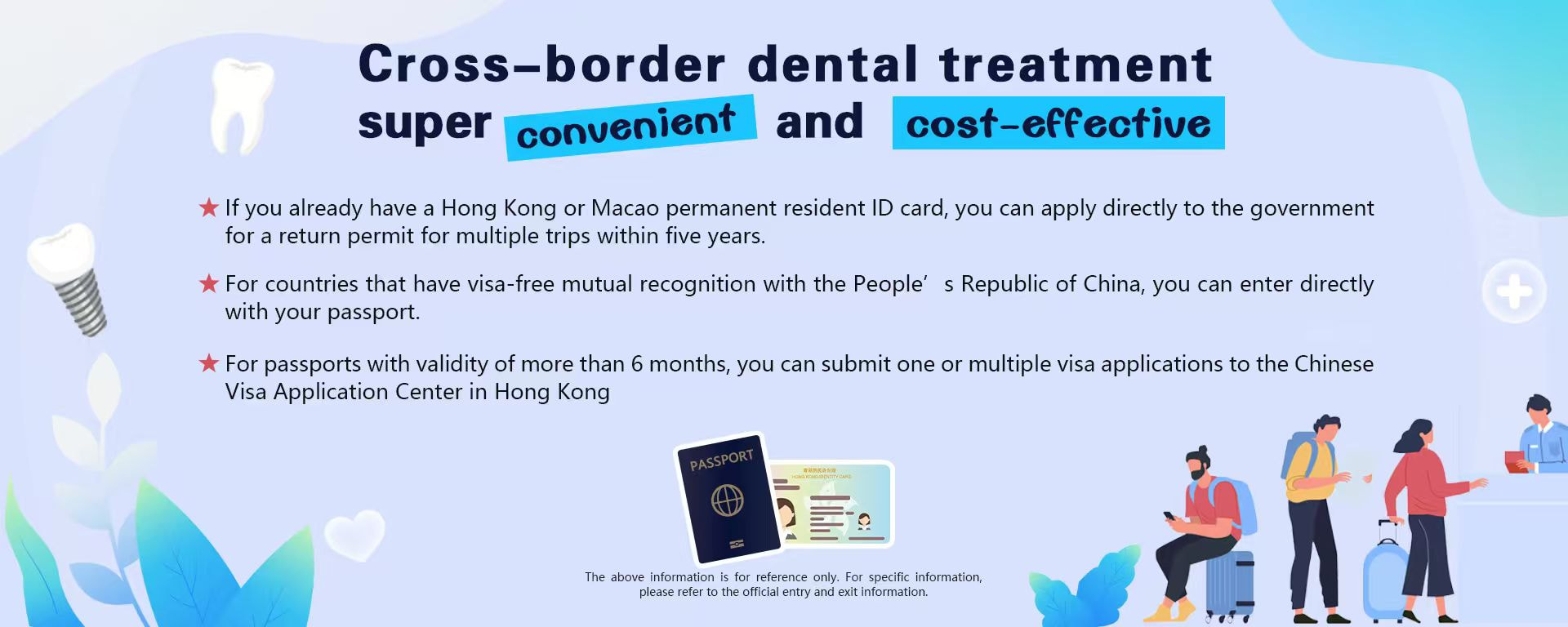
Before heading north, consult a dentist in Hong Kong to conduct an exam and obtain X-rays and necessary records, allowing a mainland dentist to assess your condition more effectively. Plan your travel and schedule carefully, as root canal treatment typically requires multiple sessions rather than a one-off procedure. Balance your work and accommodation arrangements accordingly.
**Communicating with Mainland Dentists**
Whether using Cantonese or Mandarin, professional terminology can sometimes lead to confusion. Prepare a note describing your symptoms, past dental records, and any allergies. Clearly articulate this information to minimize misunderstandings during consultations.
**Post-Procedure Care**
After a root canal, your tooth will be more fragile due to the loss of nerve function. Dentists usually recommend a crown for protection. Maintain diligent oral hygiene upon returning to Hong Kong, avoid chewing hard foods with the treated tooth, and schedule regular check-ups. Remember, completing a root canal doesnt eliminate the risk of gum disease or other dental issues affecting the longevity of your tooth.
**Conclusion**
A root canal isnt a cure-all solution nor the only remedy for dental pain. Prior to traveling north, its crucial to understand the actual cause of your toothache and undergo thorough assessment before deciding. This ensures you avoid unnecessary trips and receive the most appropriate and safe treatment. Oral health is a long-term investment; don’t rush or compromise due to convenience. Knowing how to discern whether you need a root canal is your first step towards smart decision-making.
















