







**Post-Root Canal Sensitivity: Will It Persist For Long?**
Increasingly, many Hong Kong residents prefer crossing the border for dental care, particularly for root canal treatments. Offering more affordable prices and advanced equipment, it’s a popular choice. Yet, a common post-treatment concern lingers: "Why is my tooth still sensitive after the root canal? Will this sensitivity last long?" Today, we’ll shed light on this issue from a more casual perspective, explaining the causes and providing helpful tips.
**1. What Does Root Canal Treatment Involve?**
Root canal treatment primarily targets infected or necrotic nerve tissues inside the tooth. During the procedure, the dentist removes the infected nerve and seals the root canal with special fillings to prevent bacteria from re-entering. In simpler terms, it’s about “cleaning the interiors” of the tooth to alleviate pain while preserving its structure.
**2. Why Does Sensitivity Persist After Treatment?**
Such sensitivity is relatively common. During the treatment process, operations like cleaning, disinfecting, and filling can cause minor inflammation in the tissues surrounding the tooth. As these tissues heal, you might experience bouts of tightness or mild sensitivity. Typically, this reaction subsides gradually over a few days to two weeks.
If the initial tooth infection was severe or the treatment complex—requiring multiple root canals or prolonged filling—recovery may take longer. Some patients may even experience mild discomfort when biting. However, as long as there’s no severe pain or swelling, these reactions are generally normal.
**3. How to Alleviate Post-Treatment Sensitivity**
1. **Avoid Eating Hard Foods Immediately**: For the first few days, opt for softer foods like congee, noodles, or steamed eggs, allowing time for your tooth to adjust.
2. **Maintain Good Oral Hygiene**: Despite mild sensitivity, continue brushing and flossing gently to facilitate faster tissue recovery in a clean environment.
3. **Steer Clear of Extreme Temperature Foods**: Consuming very cold ice cream or hot soup might irritate any nerve res
idues, causing temporary discomfort.
4. **Schedule Regular Follow-Ups**: Dentists will check the status of the root canal fillings and crown seal to ensure everything is in order.
**4. When Should You Return to Your Dentist?**
While mild sensitivity is normal, persistent pain, gum swelling, or pus over two weeks warrants a dentist’s visit. These symptoms may indicate incomplete infection clearance or issues like tooth fractures or loose fillings, potentially causing reinfection.
**5. Is a Crown Necessary Post-Root Canal?**
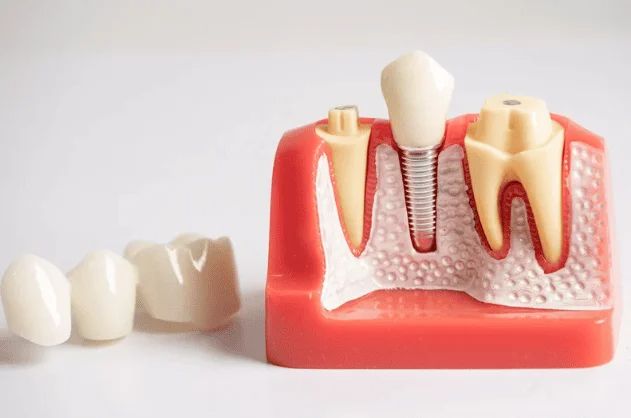
Dentists often recommend placing a crown on the treated tooth for protection. Post-treatment, the nerve-less tooth loses moisture and becomes prone to cracking. A crown distributes biting forces evenly, extending the tooth’s lifespan and reducing future sensitivity risks.
**6. What to Be Mindful of When Seeking Dental Care Across the Border?**
Cross-border dental care has improved significantly, but ensure you choose a legitimate, qualified clinic. Verify comprehensive treatment records and X-ray archives for future follow-ups in Hong Kong. Request simple explanations from your dentist regarding the treatment process for peace of mind.
**7. How to Maintain Your Treated Tooths Health?**
1. Maintain diligent brushing and flossing habits—don’t slack off because the tooth “has no nerve anymore.”
2. Regular teeth cleaning and inspections of crown margins for any looseness or misfit are essential.
3. Avoid prolonged biting of hard items, like opening bottle caps or chewing ice, which might crack the crown.
4. Monitor any oral changes, including bite irregularities or gum color changes, and seek prompt follow-up care.
**Conclusion**
In summary, mild sensitivity after a root canal treatment is normal and typically resolves within a few days to two weeks. With appropriate care, regular monitoring, and professional dental guidance, your tooth can regain stable functionality. Regardless of where you receive your treatment, maintaining good oral habits and taking each follow-up seriously will ensure your teeth last longer, allowing you to smile confidently and naturally.
















