





Is Your Dental Crown Causing Tongue Irritation After Getting Implants in Mainland China?
In recent years, many Hong Kong residents have chosen to undergo dental treatments, particularly dental implants, in Mainland China due to the convenience of scheduling and advanced technology. However, some individuals experience a sensation of their dental crown edges being rough or "scratchy," causing discomfort or pain while speaking or eating. Does this mean the crown wasnt adequately polished? It might not be that straightforward; several potential reasons could be at play.
**1. Insufficient Polishing**
After the implant procedure, dentists polish the dental crown to ensure a smooth surface and natural bite alignment with neighboring teeth. If the polishing isnt thorough enough, the crown edges may have slight roughness or sharp angles, leading to tongue or cheek irritation. This issue can typically be resolved by further polishing with specialized dental tools.
**2. Misaligned Bite**
Sometimes, the problem isn’t with the crowns edge but with the bite alignment not being perfectly adjusted between the upper and lower teeth. A misaligned bite can alter the tongues movement space during chewing, increasing contact with the crown edges, causing a "cutting" sensation. Correcting this requires a dentist to reassess and possibly adjust the crowns shape or height.
**3. Tongue Sensitivity or Minor Oral Injuries**
Following the implant procedure, some may experience increased tongue sensitivity due to minor surgical wounds, making even small irregularities feel painful. Additionally, if the mouth hasnt yet adjusted to the new crowns shape, the tongue may feel a scraping sensation against the new surface. Typically, this issue resolves itself within a week or two as the mouth acclimates.
**4. Crown Material and Surface Finish**
Different crown materials, such as porcelain, metal, or ceramic composites, vary in smoothness and hardness. If the material i
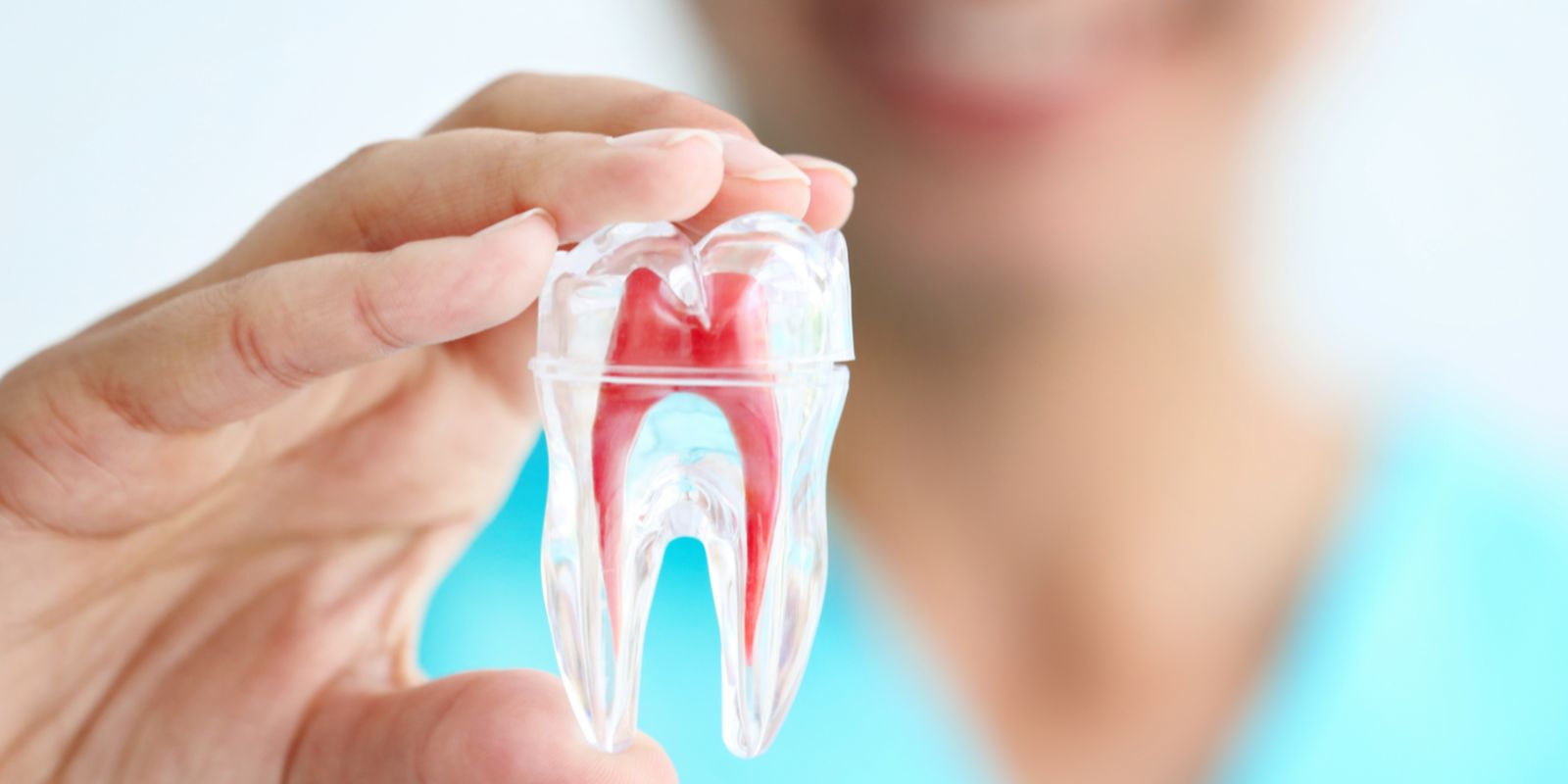
s relatively hard or the surface finish is lacking precision, it can lead to discomfort in the oral soft tissues. In such cases, an experienced dentist can use polishing tools to smooth the edges and reduce irritation.
**5. Follow-up Issues After Treatment in Mainland China**
Many people return to Hong Kong after getting implants in Mainland China, often delaying necessary follow-up appointments. If discomfort arises, its best to consult a dentist promptly. Local dentists can help with polishing or bite adjustments to prevent prolonged irritation of the oral mucosa, which could lead to ulcers or chronic inflammation.
**How to Determine If Further Polishing Is Needed**
Gently run your tongue over the crowns edges to check for any sharpness or roughness. If you experience persistent pain while speaking or eating, or notice white marks on the tongue, see a dentist right away. Avoid using dental files or other tools yourself, as the delicate structure and alignment of the crown could be compromised, affecting its stability and durability.
**How to Reduce Discomfort Until Seeing a Dentist**
Before your dental appointment, maintain oral hygiene by rinsing with warm water after meals. Avoid overly hard or spicy foods to minimize irritation to the tongue and any wounds. Alcohol-free mouthwash can also be used to reduce bacteria buildup and aid tongue recovery.
**Conclusion**
If you experience tongue irritation from the edges of a dental crown after getting implants in Mainland China, it may not necessarily be a technical issue, but it could relate to polishing, alignment, or the adaptation period. Don’t neglect these minor discomforts as the oral area is highly sensitive. Prolonged irritation can impact eating and speech. The safest course of action is to seek dental evaluation and adjustments promptly to ensure a seamless integration of the crown with the oral cavity, allowing you to fully enjoy the benefits and natural feel of your dental implant.
















