






**Is Root Canal Treatment in Mainland China Likely to Cause Excessive Bleeding?**
In recent years, an increasing number of Hong Kong residents opt to travel to mainland China during holidays for dental treatment, particularly for more complex procedures like root canal treatment. Its well-known that root canal therapy addresses issues of pulp inflammation or infection by cleaning out the pulp tissue, disinfecting, and sealing the tooth, thus preserving it. However, many people are concerned about whether receiving a root canal treatment in mainland China might result in excessive bleeding.
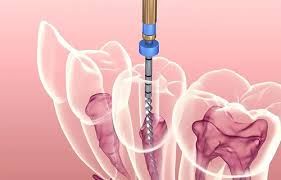
To address this concern, it’s important to understand the entire treatment process. The initial step in a root canal treatment is typically administering anesthesia, so you wont feel pain during the pulp cleaning process. When the dentist opens the crown to access the pulp chamber, there may be some bleeding as the pulp contains blood vessels and nerves. This occurrence is normal, whether in Hong Kong or mainland China. The amount of bleeding largely depends on the severity of inflammation in the tooth and individual oral health conditions rather than the location.
In cases where the pulp has extensive infection and necrotic tissue, there might actually be less bleeding. Conversely, if some healthy pulp remains, opening it may result in more noticeable bleeding. Nonetheless, with modern dental technology, dentists can efficiently manage this with suction devices or cotton to ensure you remain comfortable and not alarmed.
Regarding the treatment environment in mainland China, many city dental clinics have adopted modern equipment similar to those used in Hong Kong, including high-precision root canal expanders, rubber dam isolation, and instant imaging techniques. These tools and techniques enable dentists to more accurately control the treatment area, making it easier to manage bleeding.
Addit
ionally, many mainland dentists have received overseas training, offering highly professional hygiene care and treatment procedures. In the context of root canals, bleeding is expected but not a sole indicator of care quality. Key factors include whether bleeding is promptly controlled, pain is well-managed, and disinfection and sealing are performed effectively.
One more aspect to consider is that many people who seek dental treatment in mainland China might also have travel or other activities planned, which can lead to insufficient rest before and after the procedure. If one does not avoid hard foods or maintain oral hygiene after a root canal, the teeth and gums might be easily irritated, potentially causing mild bleeding. Such issues can usually be resolved quickly with saltwater rinses or following the dentists instructions.
Heres a tip: If you have periodontal disease or are prone to bleeding gums, consider undergoing a dental check-up or cleaning before heading to mainland China. This reduces the likelihood of extra bleeding during treatment, as healthy periodontal conditions contribute to normal vascular responses during root canal therapy and promote easier healing.
In summary, whether root canal treatment in mainland China leads to excessive bleeding is not a foregone conclusion. The extent of bleeding primarily depends on the tooths health, inflammation status, and the dentists technique rather than the geographical location. By choosing a reputable clinic with mature technical capabilities and following post-procedure care instructions, any bleeding from a root canal treatment should be manageable, alleviating undue concerns.
Ultimately, as dental health is lifelong, whether treated in Hong Kong or mainland China, the priority is "early detection and early treatment" to preserve natural teeth and reduce the need for more complex and time-consuming future treatments.
















