





**Is the Environment of Northern Root Canal Clinics Hygienic?**
In recent years, many Hong Kong residents have considered traveling north for dental treatments, particularly for procedures like root canals. These treatments demand both substantial time and skill, making the clinics hygiene a top priority for many. A common question is whether the hygiene standards in northern root canal clinics are truly reliable. Regardless of where you go for dental care, hygiene standards directly impact the safety and comfort of the treatment, which is worth understanding.
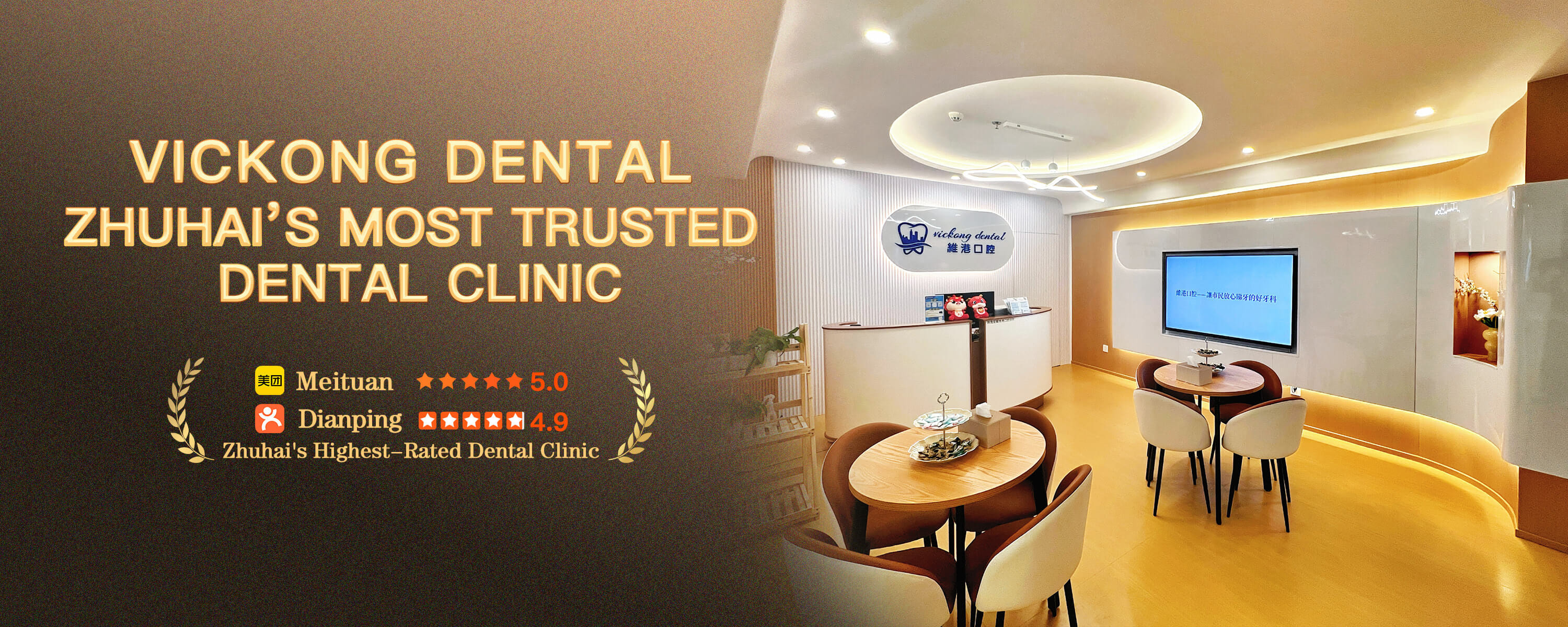
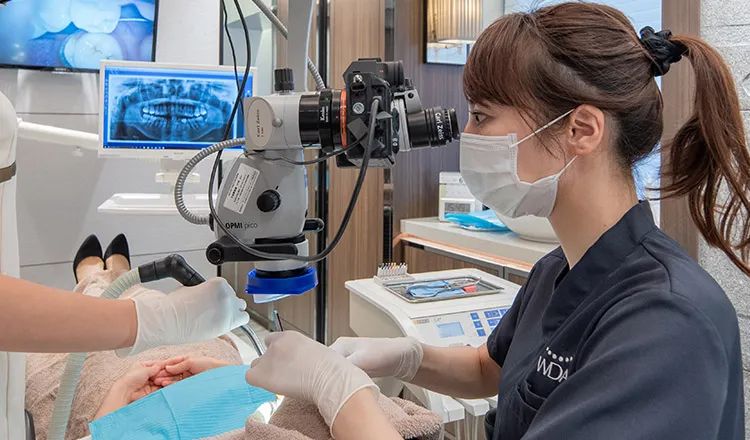
When assessing hygiene, the clinics cleanliness is the first aspect to consider. Hong Kong residents are accustomed to dental clinics with clean, tidy floors and fresh air, where equipment is neatly organized. If youre heading north for dental care, its advisable to look up photos and videos online beforehand, and even consult friends with experience. A clinic that maintains separate areas, such as waiting areas, treatment rooms, and sterilization rooms, reduces the risk of cross-contamination.
Instrument sterilization is another critical factor. Root canal treatments involve several delicate instruments, including drills, probes, and irrigators. Reliable clinics have clear sterilization protocols, such as using high-temperature, high-pressure sterilization machines, or single-use packaged tools. Seeing that instruments are unpacked on the spot not only reassures patients but also indicates the clinics attention to hygienic details.
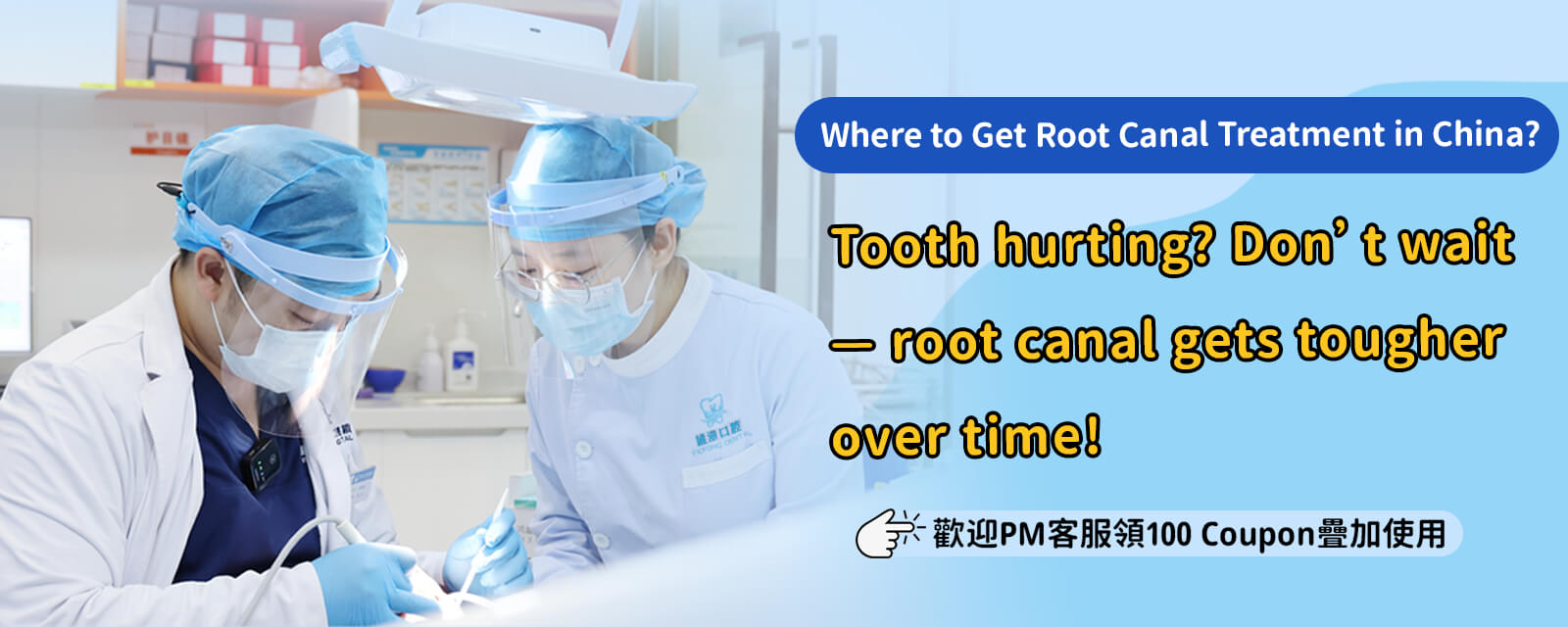
Next is the hygiene practices of the medical staff. Dentists and nurses should change gloves and wear masks before entering the treatment room, and sometimes even don protective clothing, which helps prevent the spread of germs. During treatment, if medical staff needs to touch non-sterile items, they should change gloves or sanitize their hands afterward, showcasing their professionalism.
Air circulation is another often overlooked aspect. Chemical solutions are some
times used inside the tooth during a root canal, and poor air circulation can result in strong odors, affecting patient comfort. Clinics with good ventilation systems and regularly changed air filters can significantly enhance the overall environment quality.
The hygiene of the waiting areas and restrooms is equally important. Regularly disinfected chairs in the waiting area, clutter-free surfaces, and clean, odor-free restrooms reflect the clinics management standards. Although these details do not directly relate to treatment, they often contribute to the patients first impression of the clinic.
Additionally, some northern dental clinics employ the use of fully disposable items such as oral bibs, saliva ejectors, and paper cups, minimizing the risks associated with reuse. Although these measures may incur higher costs, they contribute to patient reassurance.
Of course, maintaining hygiene involves more than physical infrastructure; it requires systematic upkeep. Professional clinics have clear cleaning and sterilization schedules, with staff trained to adhere to these protocols. Prospective patients can inquire about the clinics public hygiene regulations or check if they have relevant certifications.
In summary, choosing northern clinics for root canals doesnt necessarily pose hygiene issues—its crucial to observe and inquire adequately. Consider the clinics overall cleanliness, instrument sterilization, staff hygiene habits, and air circulation, as these are key to safeguarding your health. Remember, dental treatment requires professionalism and patience, and selecting a clinic with a good hygiene standard can ensure a safe, comfortable, and ideal outcome.
If you are considering heading north for a root canal, take some time to conduct research and find a clinic thats meticulous with hygiene control and boasts a solid reputation. By doing so, you can comfortably enjoy the treatment process and confidently entrust your smile to a professional team.
















