







**Is the Root Canal Treatment Process Really Complex?**
In recent years, many Hong Kong residents have considered traveling northward to address dental issues, with root canal therapy being a common treatment sought. The term "root canal treatment" may evoke fear in some, with thoughts of complexity and pain. In reality, however, it is a well-established dental procedure. Understanding its process can significantly ease your concerns.
**When is Root Canal Treatment Necessary?**
Root canal therapy primarily addresses situations where the dental pulp is inflamed or infected. Inside the pulp are nerves and blood vessels, which can be exposed due to deep cavities, dental injuries, or prolonged teeth grinding, resulting in severe pain or swelling. Without prompt treatment, the inflammation may spread to surrounding tissues and even affect neighboring teeth.
**Reasons for Traveling North for Dental Care**
Many Hong Kong citizens choose to travel northward due to a wider selection of dental clinics, quicker scheduling, and greater flexibility. The convenience of travel has made same-day round trips common. While the root canal process is similar to that in Hong Kong, differences in environment and arrangements highlight the importance of familiarizing yourself with the details beforehand for greater confidence.
**Standard Root Canal Treatment Process**
**Step 1: Examination and Diagnosis**
Upon arrival at the dental clinic, the dentist will first review your medical history, asking about the duration, nature, and persistence of the pain. An oral examination follows, usually involving an X-ray to assess the condition of the tooth roots and surrounding bone, determining the necessity of root canal therapy.
**Step 2: Anesthesia**
Many people worry about pain; however, local anesthesia is typically used, making the procedure nearly painless. Once anesthetized, the dentist will isolate the affected tooth with a rubber dam, maintaining a clean work area and preventing saliva interference.
**Step 3: Removal of Infected Pulp**
Using specialized instruments, the dentist accesses the pulp chamber, carefully removing any infected or necrotic tissue. This step requires precision, ensuring all root canal pathways are thoroughly cleaned without missing any areas.
**Step 4: Cleani
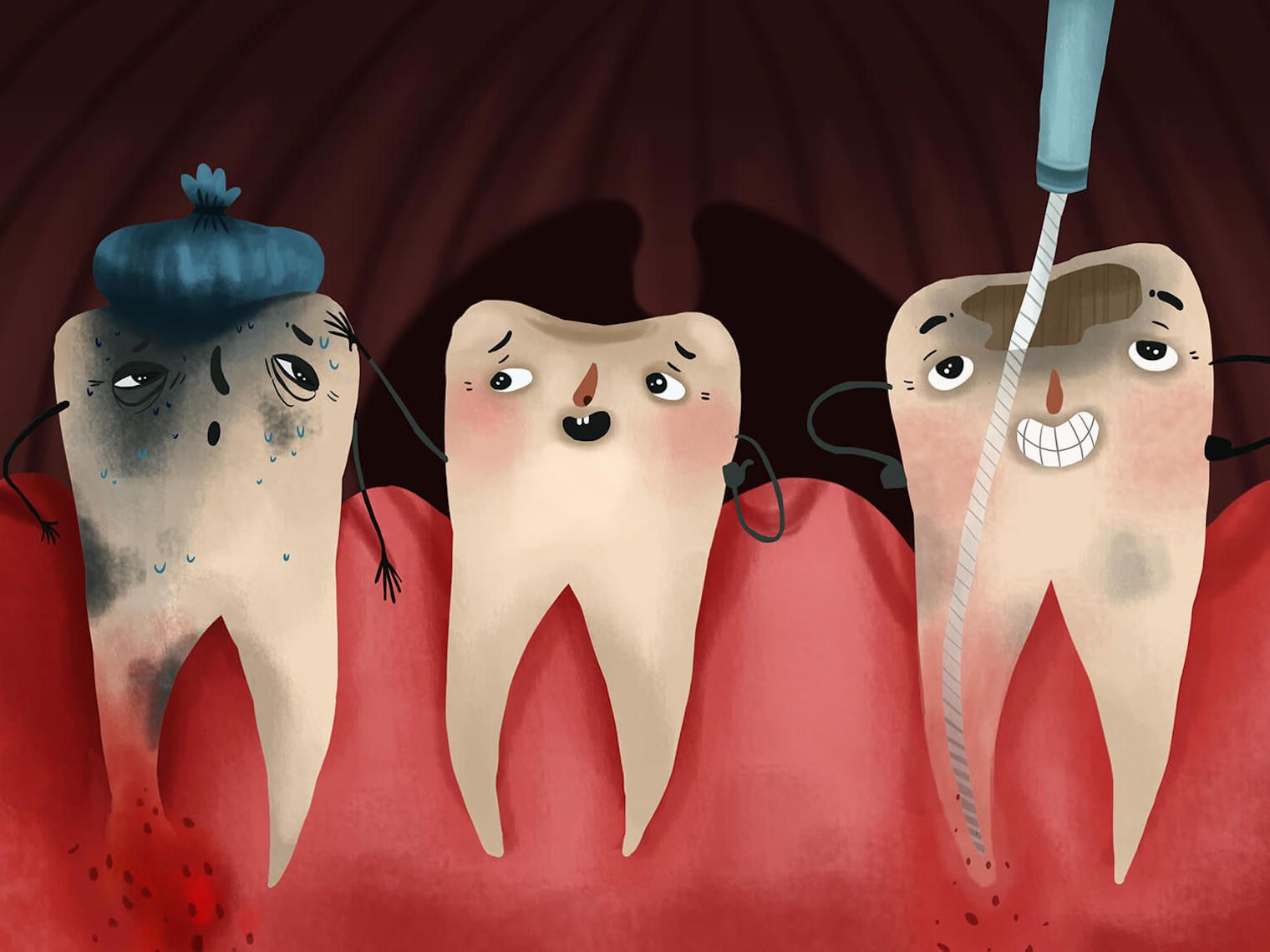
ng and Disinfection**
Post-removal of necrotic tissue, the dentist will flush the canals with disinfectant to eliminate bacteria and prevent future infections. Multiple rounds of cleaning and disinfection may be necessary for thoroughness.
**Step 5: Sealing the Canals**
After cleaning, the canals are sealed with filling material to prevent bacterial re-entry. Proper sealing is crucial, as inadequate sealing may lead to re-inflammation.
**Step 6: Crown Restoration**
Post-treatment, the tooth may be weaker, so dentists often recommend a crown for protection. Crowns help distribute bite forces, preventing future fractures.
**Is It Really That Complex?**
While the root canal process comprises several steps, each follows a standardized procedure with professional equipment. For dentists, it is a well-developed technique, not particularly complex. Treatment duration varies with the condition of the tooth; some cases are resolved in a single visit, while others require multiple sessions. Good communication between patient and dentist is key to understanding each steps purpose and precautions.
**Considerations for Northern Dental Care**
Despite the abundance of options for northern dental care, dont overlook the clinic and dentists credentials. Checking online reviews or consulting experienced friends can offer guidance. Ensure you bring past dental records, such as X-rays or medical histories, to help the dentist quickly understand your situation. Also, plan your time carefully, as root canal treatments may need multiple visits.
**Daily Habits for Oral Health Maintenance**
Prevention surpasses treatment. Maintain good brushing habits, brushing two to three times daily, accompanied by flossing or using interdental brushes to reduce plaque buildup. Minimize sugary snacks and prioritize fruits, vegetables, and water to lower cavity risks. Regular check-ups are crucial; even without pain, a bi-annual or annual examination can catch potential issues early.
In conclusion, the process of undergoing root canal treatment in the north isnt excessively complex. With a reliable dentist and adequate preparation, the procedure can proceed smoothly. Most importantly, protect your teeth regularly to minimize the need for root canal therapy, ensuring a healthy and confident smile.
















