





**Is Traveling North for a Root Canal Worth It? Can It Save Your Tooth?**
In recent years, many residents of Hong Kong are opting to travel north for dental treatments, with root canal therapy being a popular choice. However, a common question arises: is heading north for a root canal treatment really effective in saving your natural tooth? Lets explore this topic from a practical perspective.
The primary purpose of a root canal is to clean infected pulp tissue inside the tooth. When a tooth suffers from deep decay or trauma leading to pulp inflammation or necrosis, a root canal may become necessary. During this procedure, the dentist removes the diseased pulp, cleans the canal, and seals it with a filling to prevent bacterial invasion. If successful and combined with other restorative procedures, there is indeed a possibility of preserving your natural tooth.
Some people choose to head north for treatment as they hope for access to more advanced technology and a wider selection of dental services with flexible treatment options. It is crucial to have a dentist evaluate your tooth condition with X-rays beforehand, as not all teeth are suitable for root canal treatment. For example, a cracked root or insufficient bone support might render the procedure ineffective. Therefore, assessment and judgment are vital first steps in determining the success or failure of the treatment.
When undergoing a root canal in the north, many dentists use microscopes and high-precision instruments to more accurately clean the intricate areas inside the root. These technological advancements can theoretically increase the treatments success rate and the longevity of the preserved tooth. Nonetheless, even with a successful treatment, its essential to consider using crowns or inlays to protect the tooth from fractures due to its inherent weakness post-proced
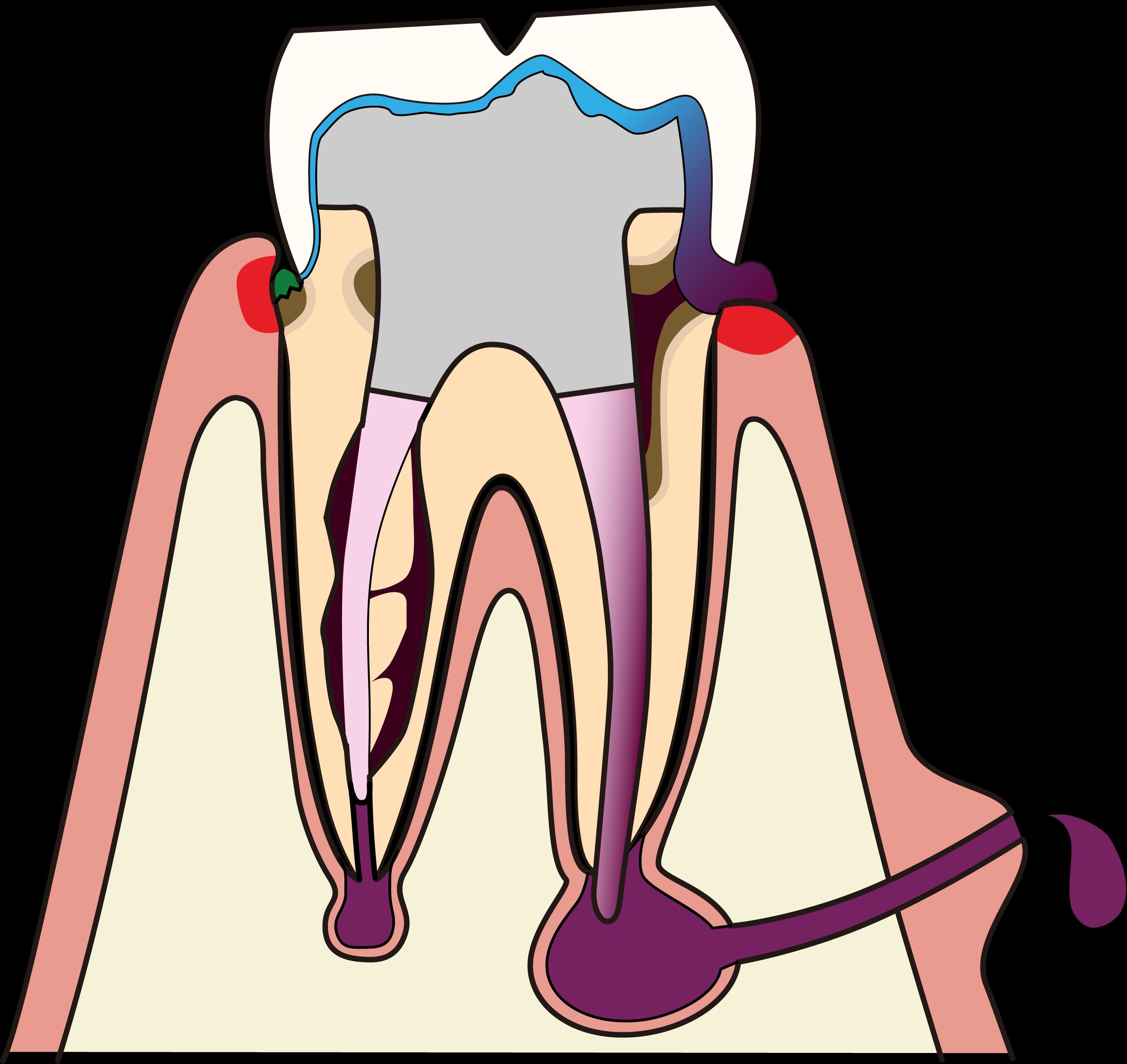
ure.
Moreover, completing a root canal treatment does not mark the end of the process. Post-operative care and regular check-ups are crucial. Many patients neglect follow-up after returning, but if symptoms like biting pain, gum swelling, or tooth discoloration occur, its important to consult a dentist immediately. Sustained observation over several months to a year is needed to ensure the tooth remains stable, thereby increasing the chances of long-term preservation.
Of course, a root canal isnt the only option for saving a tooth. In cases of severe damage, extraction followed by an implant might be a sturdier choice. Yet, from both psychological and habitual perspectives, keeping your natural tooth is often preferred. The main advantage of going north for a root canal lies in the variety of options and exposure to different dental technologies. On the downside, factors such as travel time, post-operative follow-up, and communication can pose challenges. Even though the language spoken is Chinese, variations in medical terminology can cause misunderstandings, so its crucial to ask questions and fully understand the treatment plan.
In conclusion, traveling north for a root canal can indeed save your tooth, but its success and durability depend on various factors: pre-treatment assessment, procedural expertise, and post-operative care and follow-up. Whether in Hong Kong or heading north, its advisable to choose an experienced dentist with comprehensive equipment, while aligning the treatment with your lifestyle and conducting regular check-ups. This approach maximizes your chances of preserving your tooth, allowing you to bite confidently and smile naturally over time. Dental health not only impacts appearance but is also integral to our eating habits and speech; thus, preserving teeth is ultimately part of maintaining quality of life.
















