





**Is Root Canal Therapy Essential for Tooth Protection When Traveling North?**
In recent years, an increasing number of Hong Kong residents have opted to travel to the mainland for dental treatments, with root canal therapy being a common concern. Root canal therapy, with its professional aura, often makes people wonder about its significance and level of protection it offers to their teeth. Essentially, root canal therapy serves as a crucial last resort to salvage a tooth. If executed well, it not only alleviates pain but also extends the tooths lifespan.
Typically, when a tooth decays significantly to the point where it affects the dental nerves, it results in severe pain. Traditionally, extracting the tooth might seem like the only option. However, this can lead to gradual gum recession, long-term impacts on oral function, and aesthetic issues. The objective of root canal therapy is to clean out the infected or inflamed pulp tissue inside the tooth and securely seal it, allowing the tooth to remain in place. This approach conserves your natural tooth, preventing problems like decreased chewing efficiency and shifting of adjacent teeth.
Traveling to the mainland for root canal therapy is popular not only due to convenient transportation and varied options available but also because some believe they can find more suitable treatment plans. Nevertheless, whether you choose to undergo treatment in Hong Kong or on the mainland, it is crucial to remember that the success rate of root canal therapy is highly dependent on the technical expertise, equipment quality, and post-operative care. When selecting a clinic, consider the dentist’s experience and reputation and avoid relying solely on friend recommendations or online advertisements. Thorough research is essential.
A root canal procedure is usually not completed in one visit. It often requires several appointments to thoroughly clean and seal the tooth. During the treatment, the dentist uses specialized tools to remove infected pulp, sterilizes the area with medication, and fills the resulting
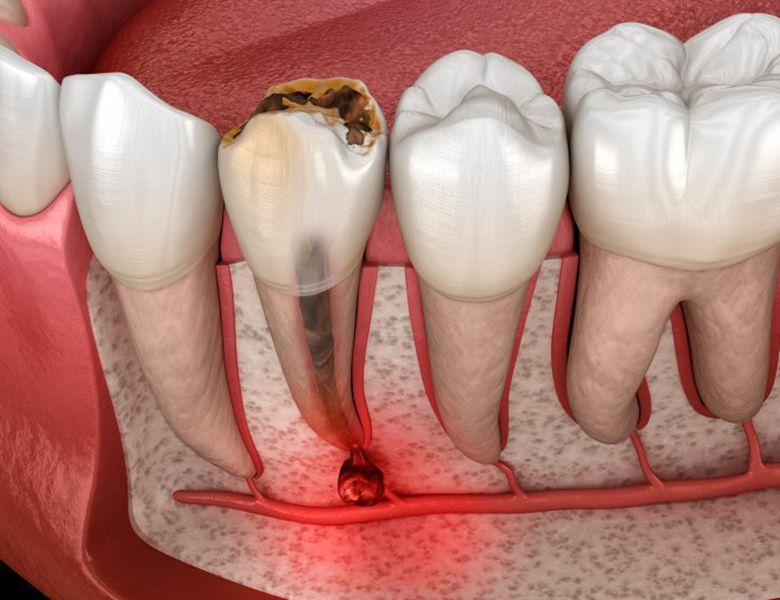
cavity with sealing materials. Afterward, a crown is usually placed on the tooth for added protection, preventing fractures due to the tooths increased fragility after losing its nerve. Patients must maintain good oral hygiene practices to decrease the risk of re-infection after treatment.
Some might wonder if the tooth could still ache post-treatment. If the treatment is comprehensive and follow-up care is adequate, the tooth can remain functional for many years. However, neglecting oral care, such as failing to brush or skipping regular dental check-ups, can lead to further issues. Root canal therapy is not a one-time "fix-all" but part of an ongoing maintenance process.
In essence, is traveling to the mainland for root canal treatment always better than having it done in Hong Kong? The answer lies in your personal preferences and commitment level. Traveling north might provide more options and easier scheduling, but it’s crucial to consider the treatment procedures, the dentist’s skill, and your ability to return for follow-ups. Root canal therapy is not a single-step process; ongoing check-ups and care are vital even after a successful initial procedure.
Moreover, maintaining dental health is a long-term investment. Avoid waiting until pain strikes to seek treatment; regular oral check-ups, proper brushing techniques, and limiting sugary foods are vital for tooth protection. If a root canal becomes necessary, whether you choose Hong Kong or travel north, ensure you find a reliable dentist and maintain good hygiene practices for the best long-term results.
In summary, root canal therapy plays a significant role in protecting natural teeth, serving as the ultimate defense for retaining them. The choice to seek treatment locally or abroad should focus on treatment quality and continued care. If uncertain, consult with dental professionals to understand your specific oral health needs, making informed decisions that best suit your lifestyle and requirements. Remember, dental health is a lifelong commitment built on consistent, long-term care.
















