




**Can Root Canal Treatment in Mainland China Prevent Tooth Extraction?**
In Hong Kong, the mention of tooth extraction often stirs feelings of resistance or even fear. After all, teeth are integral not only to eating and smiling but also to overall health. Recently, many have considered traveling to Mainland China for dental care, especially for root canal treatment. This raises the question: Can undergoing a root canal treatment north of the border truly help avoid tooth extraction?
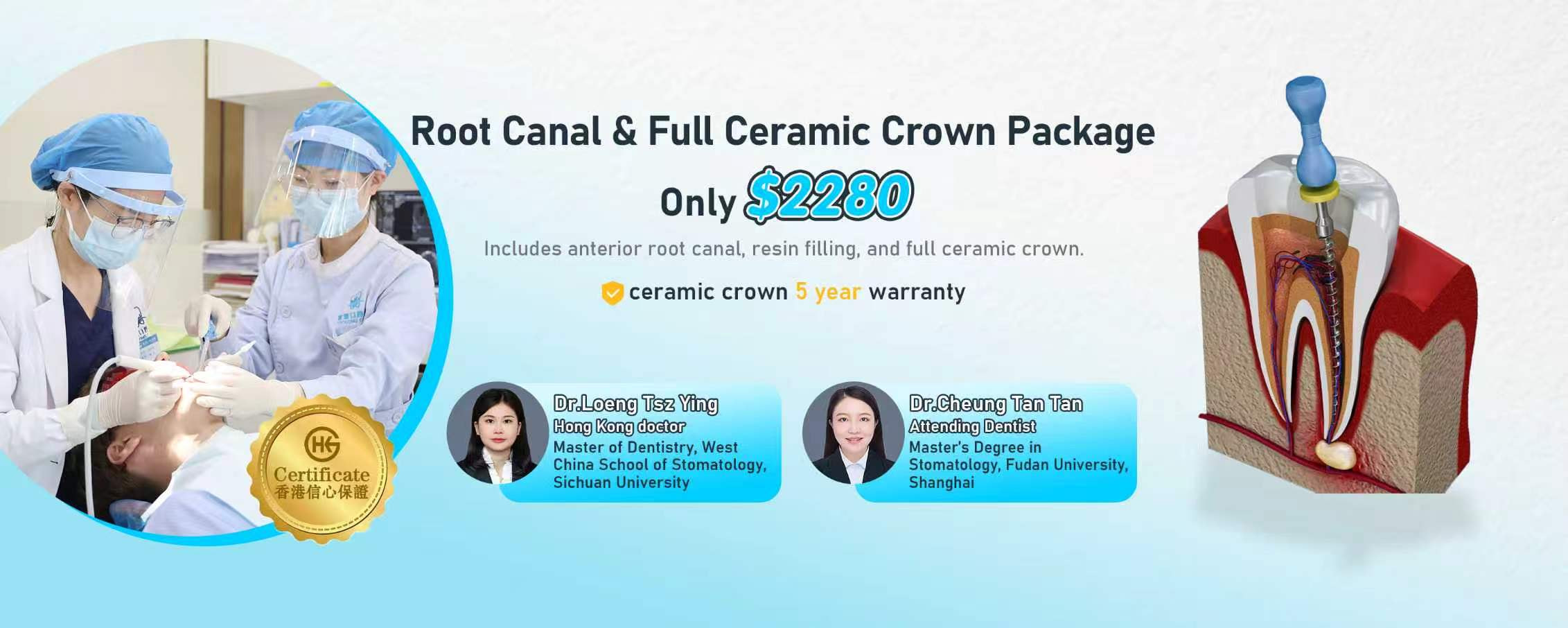
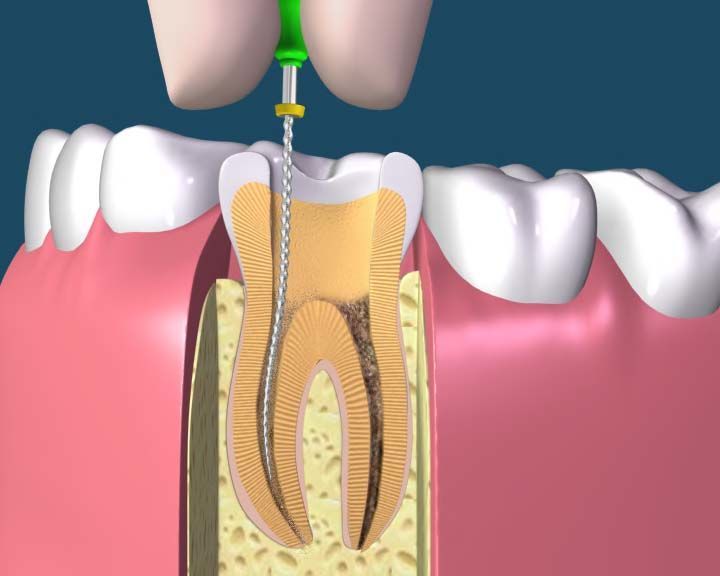
First, its important to understand what a root canal is. Simply put, a root canal is an endodontic treatment. When the pulp becomes inflamed or necrotic, a dentist will remove the infected pulp tissue inside the tooth, disinfect it, and then fill and seal the root. This process can preserve the tooth and prevent immediate extraction, aiming to retain the original tooth structure. In many cases where a tooth can still be saved, a root canal is the optimal choice.
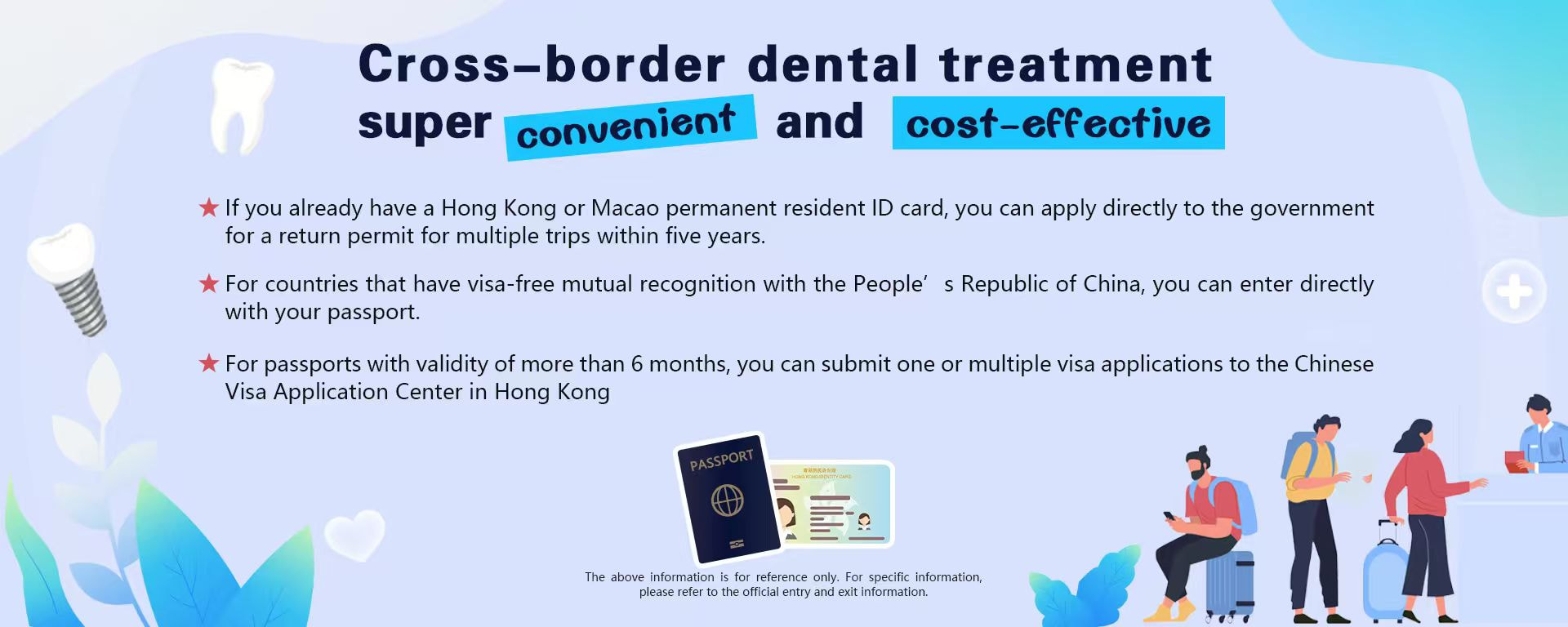
The dental technologies in Hong Kong and Mainland China are quite similar, using comparable equipment and procedures. However, many people find traveling to Mainland China more convenient or with more options, especially given the wide availability of various appointment times and treatment packages in numerous mainland cities. Enhanced transportation links have made visiting a dentist in China anything but novel in recent years.
Nevertheless, is undergoing a root canal always a guarantee against tooth extraction? The answer is—not necessarily. While root canals boast a high success rate, the key factor is the extent of tooth damage. If a tooth is severely fractured, or gum disease has undermined the tooths stability, even a root canal might not be able to preserve it. Additionally, if the area of infection is extensive impacting the alveolar bone, a dentist might recommend extraction to prevent harming adjacent teeth and overall oral health.
Another significant consideration regarding undergoing a root canal in Mainland China is communication and follow-up. Root canal treatments are rarely completed in a sing
le session; they often require phased treatment and subsequent check-ups to ensure no re-infection has occurred. Once youve traveled to China for initial treatment, any required follow-up visits might necessitate crossing the border again, requiring precise time coordination. Without regular follow-ups, dental issues might resurface, potentially leading to the decision to extract the tooth after all.
Before deciding to travel for a root canal, its wise to consult with a local dentist to thoroughly assess the condition of your teeth. Everyones dental health varies; some may be excellent candidates for root canal treatment and retain their teeth long-term, while others with root cracks or severe periodontal disease might not be suitable for tooth preservation. A professional dental evaluation with a clear diagnosis can make any treatment more precise.
Moreover, maintaining optimal oral hygiene is a crucial factor in reducing the risk of tooth extraction. Brushing twice daily, flossing, and regular dental cleanings help keep teeth in good health and reduce the chances of pulp infection. Once pulp infection becomes severe, a root canal might be the only solution, but it is not foolproof. The healthier your teeth, the better the chances of preservation.
In conclusion, undergoing a root canal treatment in Mainland China can indeed be a viable method to attempt preserving your teeth, especially in regions where dental expertise is mature, offering results akin to those achieved in Hong Kong. However, whether a root canal can prevent tooth extraction depends on the degree of damage and subsequent care. Dont assume that a single treatment session can resolve everything completely; timely follow-up and maintaining good oral hygiene are keys to long-term tooth retention.
To put it simply, although traveling for root canal treatment is not an all-encompassing solution, it remains a worthwhile option. With adequate preparation and adherence to dental advice, your teeth stand a better chance of staying put, allowing you to continue enjoying life to the fullest.
















