






**Does Root Canal Treatment in Mainland China Hurt?**
In recent years, many people have considered visiting a dentist in Shenzhen or other mainland cities. Apart from convenient transportation and a variety of choices, some friends say the dental technology in these places is quite impressive. Among the dental procedures that spark concern, "root canal treatment" is often at the top of the list. The moment many Hong Kong residents hear they need a root canal, their first question is, "Does it hurt?"
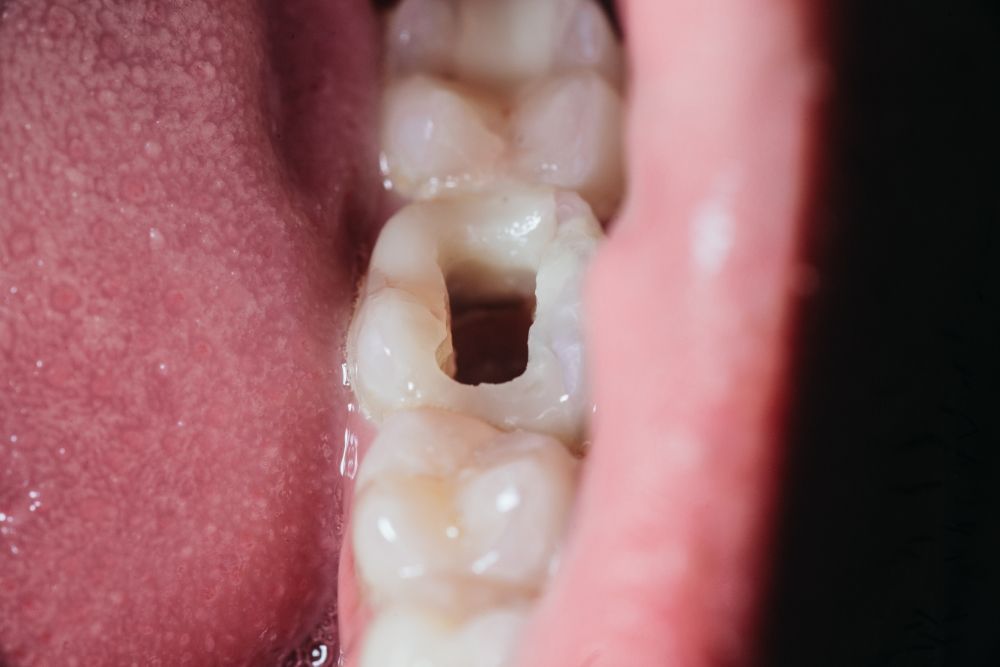
To understand why root canal treatment is concerning, we must first grasp what a "root canal" is. Simply put, teeth contain nerves and blood vessels. When a tooth decays deeply or becomes inflamed, bacteria can invade the nerve area, causing severe pain and even swelling. At this point, the dentist might recommend a root canal procedure to remove the infected nerve tissue, clean and disinfect the tooth, and seal the canal, preserving the tooths appearance and function.
Nowadays, many dental clinics in mainland China are well-equipped, featuring modern instruments, and they adhere to standard root canal procedures. Usually, during treatment, the dentist will administer anesthesia, ensuring that you dont experience significant pain when the infected tissue is removed. Once the anesthesia takes effect, you might feel some pressure or hear the sound of instruments inside the tooth, but its generally not painful.
However, whether the procedure is painful also depends on the condition of your tooth. If the nerve inflammation is severe, anesthesia might not be fully effective, making the treatment somewhat uncomfortable. Often, dentists will employ more appropriate anesthesia methods or perform the procedure in multiple sessions to minimize discomfort.
Many Hong Kong residents are curious about differences between root canal treatments in mainland China and those in Hong Kong. The primary differences lie in environmental and procedural details, such as clinic size, appointment booking systems, an
d communication methods. Many mainland dentists encounter numerous root canal cases regularly, boasting rich experience and emphasizing strict sterilization and instrument replacement. Additionally, many places in the mainland use electronic measurement and microscopic assistance to locate the infected area with greater precision.
Post-treatment, some might feel slight soreness or pressure when biting, which is a normal response as the treated nerve and surrounding tissues need time to heal. Generally, the discomfort subsides within a few days to a week. Dentists often advise monitoring your diet, favoring soft foods, and avoiding excessively hard, hot, or cold foods.
For those worried about communication barriers, most dentists in coastal cities, especially Shenzhen and Guangzhou, frequently treat Hong Kong patients, so communication is typically seamless. Theyll proactively explain each step of the process, providing reassurance and easing any psychological concerns.
Of course, to ensure a comfortable experience, discuss your feelings and expectations with your dentist beforehand. If you especially fear pain or have previously experienced ineffective anesthesia, inform the dentist in advance to prepare an appropriate plan.
In summary, when asking "Does root canal treatment in mainland China hurt?" the answer is that in most cases, it doesnt, particularly in areas with advanced anesthesia techniques. The treatment process is generally tolerable. If the condition of the tooth is complicated or if inflammation is severe, there might be some discomfort, but if you follow the dentists guidance, both the process and outcome should be reassuring.
If youre considering heading north for a root canal and are concerned about pain, consult several dental clinics first to understand the dentists experience and equipment. This initial research can offer peace of mind. Maintaining good oral hygiene and regular dental check-ups will reduce the chances of needing root canal treatment in the future.
















