




**Is Getting a Root Canal Better Than Tooth Extraction?**
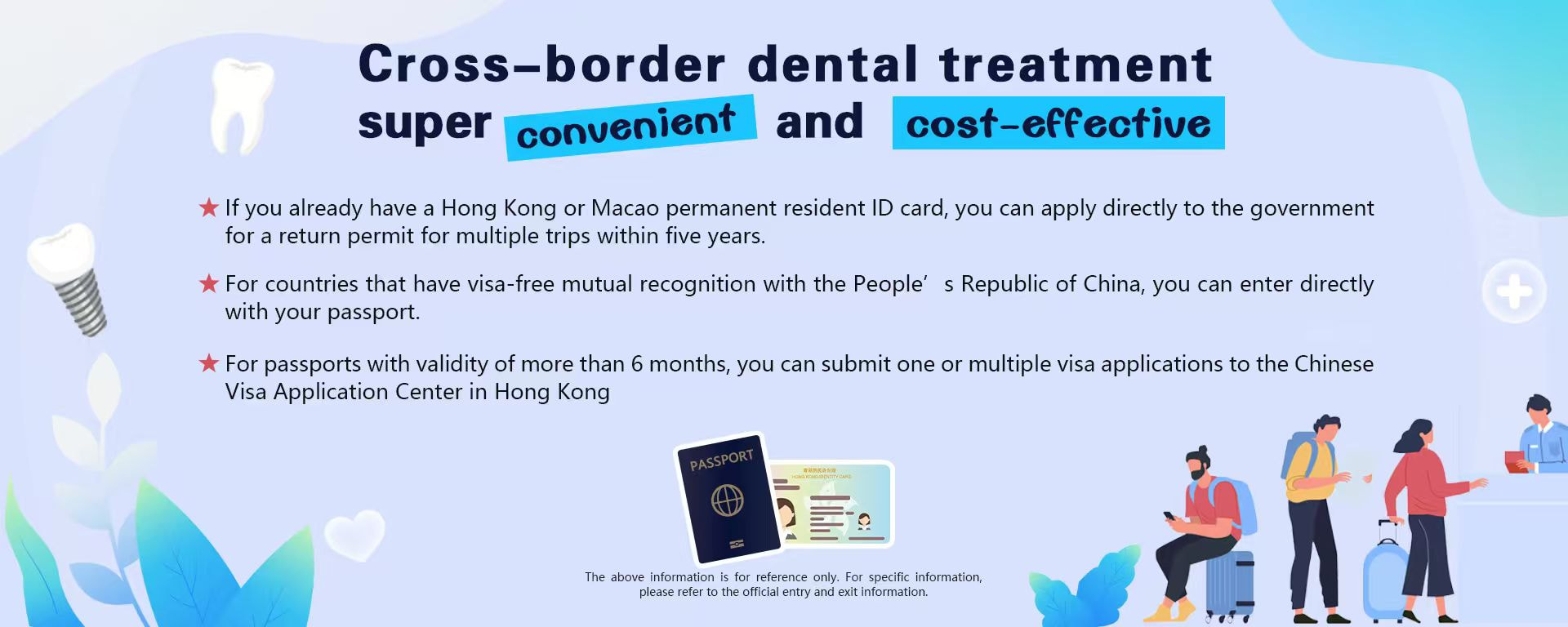
In recent years, many Hong Kong residents have been traveling north for dental treatment, a trend driven by convenient transportation and a wider selection of clinics. Among these treatments, root canal therapy stands out as a popular choice, especially when dealing with complex dental issues. Some people opt for quick relief through tooth extraction when faced with severe pain, while others are adamant about preserving their natural teeth through root canal treatment. So, is traveling for root canal therapy really better than just pulling the tooth?
**What is Root Canal Therapy?**
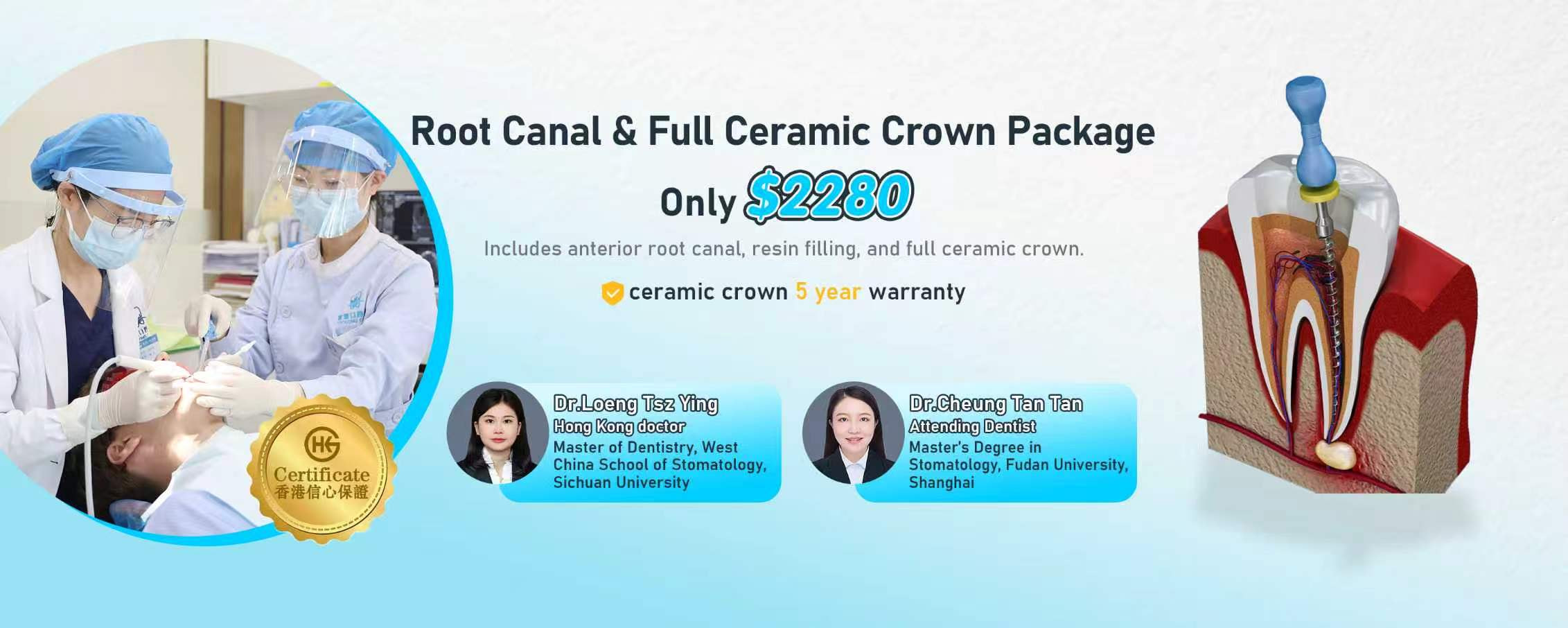
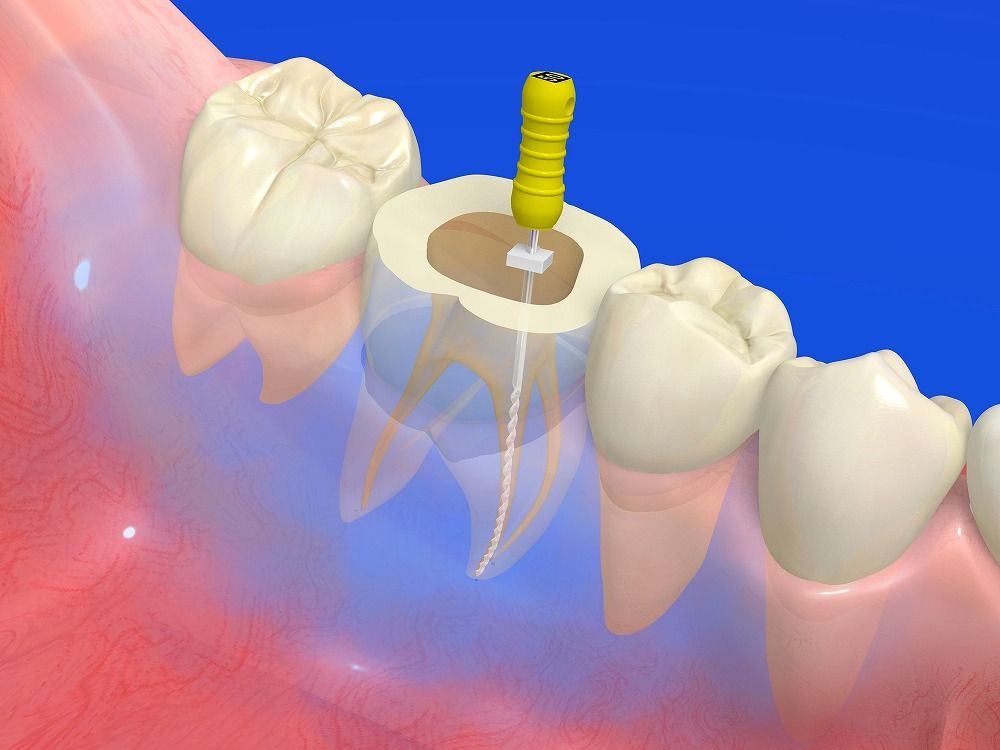
In simple terms, a root canal is a procedure designed to treat infection or inflammation within the pulp tissue—commonly referred to as the nerve—inside your tooth. Dentists perform this treatment under anesthesia, removing the diseased pulp, disinfecting the canal, and sealing it to retain the tooth’s natural structure. Typically, a crown is added post-treatment to protect the tooth and minimize future fractures.
**Is Tooth Extraction Really That Simple?**
Tooth extraction might seem quick and straightforward, as it immediately eliminates the source of pain. However, losing a natural tooth can lead to alignment shifts in nearby teeth over time, altering your bite; it might also weakens your chewing ability and impact the naturalness of your smile. While dentures or implants can replace lost teeth, they require additional steps and adjustment time compared to retaining your original teeth.
**Why Do Many Dentists Advocate for Keeping Natural Teeth?**
Natural teeth are unparalleled as chewing tools with high stability and organic feel, making them easier to adapt to. Root canal treatment can allow an infected tooth to function effectively for many years, preventing uneven chewing or potential harm to adjacent teeth. For those keen on preserving bite functionality and oral structure, saving the tooth is often the top priority.
**Considerations for Getting Root Canal Treatment Abroad**
Recently, mainland China has significantly advanced its dental technology and techniques. Many cities now offer sophisticated micro-endodontic treatments and digital X-ray imaging, enhancing diagnostic precision and surgical d
etail. With many clinics to choose from, patients have broad options for finding suitable treatment providers. Nevertheless, varying industry standards across locations may necessitate choosing qualified and reputable dentists, and discussing treatment procedures, expected outcomes, and follow-up care in detail.
**Root Canal vs. Extraction: Lifestyle Impacts**
After successful root canal therapy, proper care allows you to chew solid foods and speak or smile confidently without the embarrassment of missing teeth. Conversely, following extraction, if theres no immediate tooth replacement, neighboring teeth might shift slightly, enlarging gaps that snag food, complicating oral hygiene. Long-term, retaining the tooth root can help maintain facial contours, preventing jawbone shrinkage from lack of dental support.
**Preparations Before Traveling North**
If planning to travel north for root canal treatment, its best to have a check-up in Hong Kong first, bringing along X-rays and diagnostic information for speedy assessment by overseas dentists. Additionally, understanding travel times and the number of return visits required for the treatment is crucial, as root canal procedures often involve multiple cleaning and sealing sessions. Planning your trip in advance ensures smoother scheduling. Post-treatment, dietary caution and oral hygiene are vital, avoiding hard foods on the treated tooth to allow sufficient stabilization time.
**Conclusion**
Both root canal therapy and tooth extraction address dental issues but carry different philosophies and outcomes. For those aiming to retain chewing function and enhance oral health, root canal treatment is often preferred; traveling north for such treatments offers increased options and mature technology, presenting a viable solution for some. Ultimately, decisions should be tailored to your individual dental condition and lifestyle needs, considering long-term impacts rather than short-term convenience.
Retaining teeth is akin to keeping a machine’s original parts for maximum durability and comfort; while tooth extraction provides immediate relief, it may require more future adaptation. Whether heading north for a root canal is better than extraction often depends on specific dental conditions and habits.
















