




**Should You Take Medication After a Root Canal Treatment Up North?**
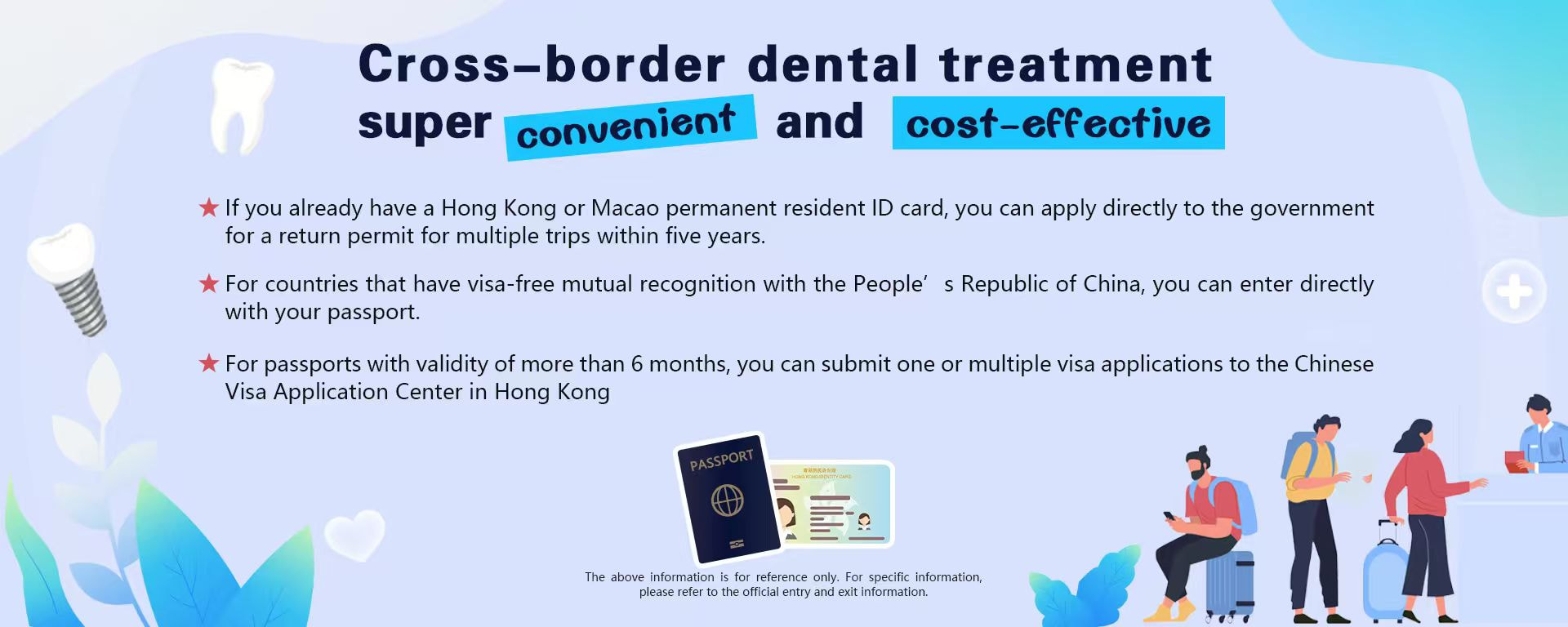
In recent years, many people from Hong Kong have opted to travel north to Shenzhen or other mainland cities for root canal treatments, which address dental pulp infections and inflammations. The reasons are simple: proximity, flexibility in scheduling, and a wider range of choices. However, whether medication is necessary post-treatment depends on the situation and the dentists advice. Many patients wonder, "Do I really need to take antibiotics or painkillers?" This article aims to analyze the necessity of medication after root canal therapy and offer practical advice from a lifestyle perspective.
**What is a Root Canal Treatment?**
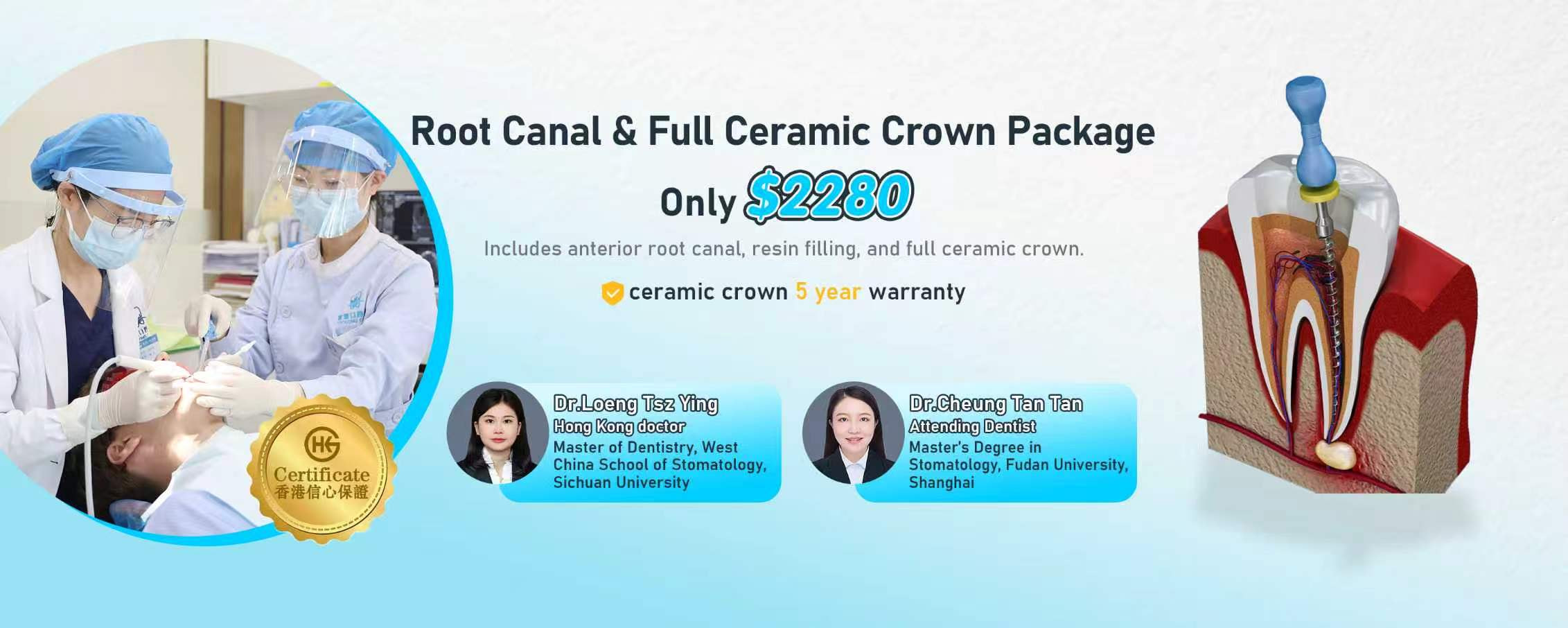
Root canal treatment primarily addresses dental pulp infections or inflammatory conditions. The procedure involves removing infected or necrotic pulp, which is then filled and sealed with specialized materials to preserve the tooth and avoid extraction. Local anesthesia is used during the surgery, and slight sensitivity or mild discomfort is common afterward.
**Is Medication Required After the Procedure?**
The need for medication depends on the condition of your tooth and your personal health status. If the dental pulp was severely inflamed or there was an abscess prior to treatment, the dentist may often recommend antibiotics to manage the infection. Conversely, if the procedure was smooth with minimal swelling, the dentist might only suggest using pain medication as needed without long-term consumption.
Some people with strong immune systems may experience minimal post-treatment reactions and may not even require painkillers; however, if you have a weaker immune system or chronic illnesses, the dentist might be more cautious to prevent post-operative infections.
**Following the Dentists Instructions is Crucial**
Whether in Hong Kong or mainland dental clinics, professional dentists prescribe medication and arrange dosages based on patient conditions. Do not self-discontinue medication because you feel fine, nor should you increase dosage because of discomfort. Inadequate consumption of antibiotics can lead to bacterial resistance, complicating future dental issues.
When it comes to painkillers, these should generally b
e taken only when pain is significant, ideally after meals to reduce gastrointestinal irritation. Remember, avoid taking painkillers on an empty stomach.
**Post-Treatment Care and Dietary Considerations**
Post-treatment care is critical. After a root canal, the internal structures of the tooth have been cleaned and sealed, but surrounding tissues still need recovery time. In the short term, avoid chewing hard foods like nuts, ice cubes, or hard candy, giving your tooth ample time to heal. Opt for softer foods, such as porridge, noodles, and steamed eggs, to lessen the burden on your tooth.
Brush your teeth gently, especially in the few days following treatment, to avoid irritating the wound. Using mouthwash can help maintain oral cleanliness, but avoid overly strong formulations to prevent gum sensitivity.
**Regular Follow-up Exams**
A root canal isn’t a one-and-done procedure; follow-up exams are crucial to ensure no infection remains and the sealing materials are stable. In some cases, a dental crown may be necessary to protect against tooth fractures. Regular check-ups help detect issues early, avoiding escalation to tooth extraction later on.
**Considerations for Traveling North for Treatment**
Though cost isnt discussed, there are other aspects worth noting. When choosing to go north for a root canal, it’s best to select a convenient clinic, as follow-up appointments and adjustments may be needed after the procedure. If the clinic is too far from Hong Kong, follow-up difficulty may increase. Well-planned transportation and scheduling pave the way for smoother post-treatment care.
**Conclusion**
There is no definitive answer to whether medication is needed after a root canal up north. The most important thing is to heed the dentists advice and follow medication and dental care guidelines according to your actual condition. Complete antibiotic courses and avoid overdosing on painkillers, pairing them with dietary considerations and good oral hygiene. Whether in Hong Kong or mainland China, responsible dentists will provide appropriate recommendations based on your situation. Remember, dental treatment is not just about the procedure day; post-treatment care and follow-up are key to ensuring long-term dental health.
















