





**Durability of Teeth After Root Canal Treatment: A Comprehensive Guide**
In recent years, many Hong Kong residents have traveled north to Mainland China for dental treatments, with root canal therapy being amongst the most common procedures. This treatment primarily targets situations where the dental pulp is infected, inflamed, or dead, by removing the damaged pulp and sealing the root canal, thereby preserving the tooth. A common question arises: how long will the tooth last after undergoing root canal treatment in Mainland China? The durability of the tooth is influenced by various factors, and its not merely a matter of choosing between local and cross-border treatment.
**Factors Affecting Tooth Durability After Root Canal Treatment**
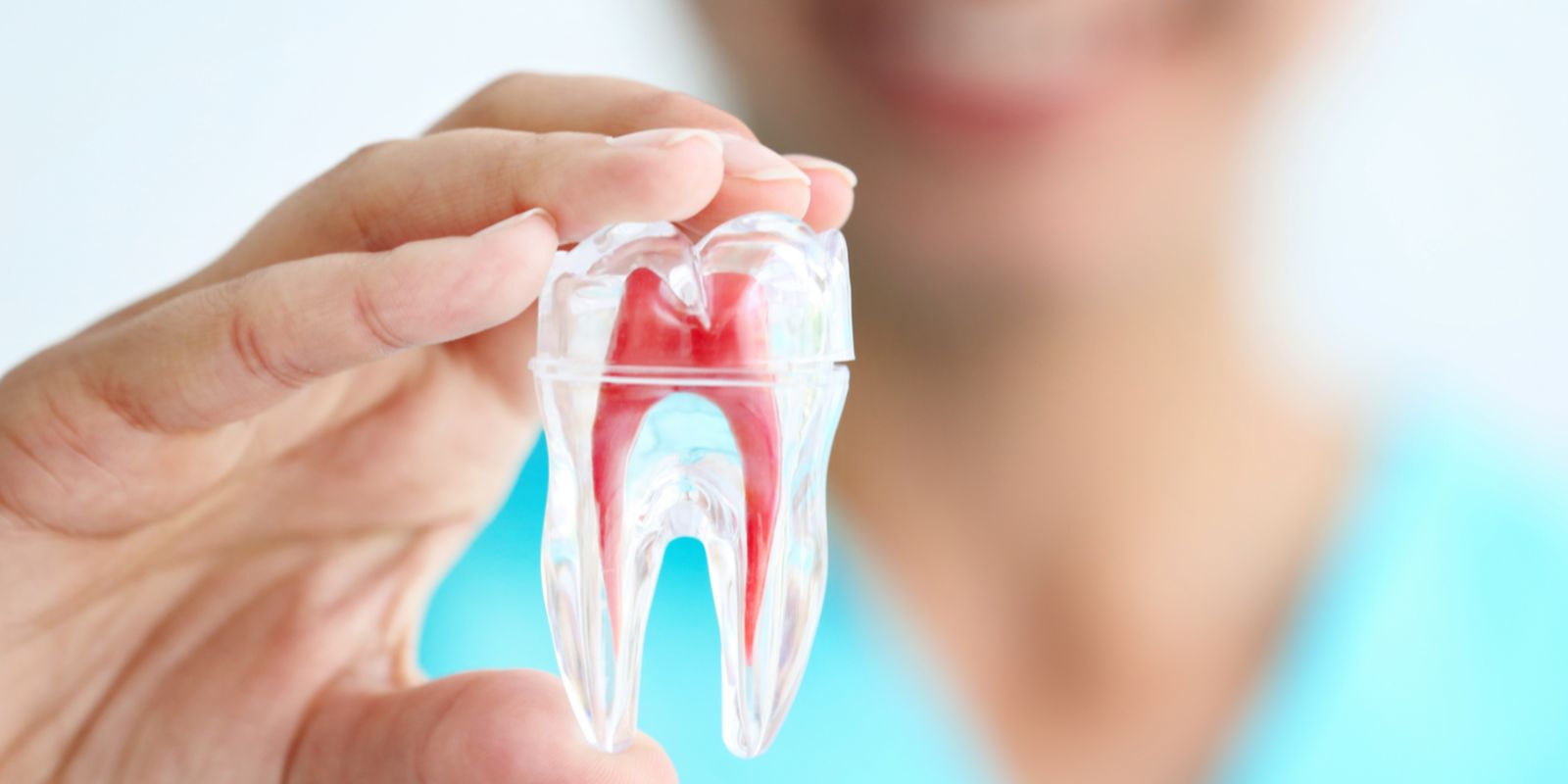
Firstly, its important to understand that after a root canal procedure, the tooth loses its nerve and blood supply, meaning it loses its ability to self-sense and regenerate, making its structure relatively fragile. Dentists typically recommend fitting a dental crown to protect the tooth and reduce pressure during daily chewing. This step is crucial, and whether youre getting treated locally or abroad, adequate protection will significantly enhance the tooths longevity.
Secondly, the durability also depends on the pre-treatment condition of the tooth. If the tooth had deep cracks or if its a molar that bears the greatest chewing force, its lifespan might be shorter post-treatment. Conversely, a robust tooth with proper crown protection, coupled with soft food consumption and minimal biting on hard substances, can last much longer. While there might be technical differences between treatments in China and locally, efficient canal cleaning, filling, and sealing can yield similar results.
The integration of technique and materials also plays a role. Dental clinics in Hong Kong and Mainland China may utilize different equipment, filling materials, and even crown brands, but longevity largely depends on the precision of the dentists operations and your aftercare habits. If the root canal is not thoroughly cleaned or properly sealed, it poses a risk of reinfection, naturally reducing tooth durability. Ensuring each step is carefully executed can extend the tooths functionality for over a decade o
r longer.
**Lifestyle Habits Are Key to Tooth Longevity**
Lifestyle habits significantly impact the durability of a tooth post-root canal. Although the treated tooth loses its nerve, the outer layer remains composed of natural tooth substance. Regularly biting hard foods, such as bones or hard-shell nuts, or using teeth to open bottle caps increases the chances of tooth fractures or crown dislodgment. Oral hygiene is equally critical; even without a nerve, teeth can be affected by periodontal disease or other dental issues that compromise your overall bite. Therefore, daily brushing and flossing are indispensable for maintaining dental health.
Furthermore, its essential to have regular check-ups after completing a root canal treatment in Mainland China. Whether every six months or annually, a dentist will check for crown stability and potential reinfection, which are factors affecting tooth durability. Many people mistakenly think post-treatment means they are in the clear, only to find dental issues years later that could have been avoided. Although revisiting a cross-border clinic requires planning, investing in your dental health is worthwhile.
**Psychological Expectations and Long-Term Care**
Lastly, adjusting your psychological expectations is necessary. While root canal treatment is one way to prolong a natural tooths lifespan, it doesnt guarantee indefinite health. No matter the location of the treatment, it should be paired with proper care and check-up routines. Choosing reputable and experienced dentists, coupled with your attention to diet and hygiene, can make the durability of treated molars almost comparable to undamaged teeth.
To summarize, the durability of teeth post-root canal therapy, particularly when opting for treatment across borders, is not solely determined by the treatment location. It depends on the quality of the procedure, material choices, crown protection, lifestyle habits, and regular examinations. If every aspect is diligently managed, treated molars can withstand daily chew without issue, allowing you to enjoy many meals for years to come. When considering dental treatment, focusing on sustainability and consistent care, rather than immediate convenience, will truly extend your teeths lifespan.
















