





**Do You Need Anesthesia for Root Canal Treatment in Mainland China?**
In recent years, many Hong Kong residents have opted for dental treatments in Mainland China for various reasons. Some believe the dental technology is advancing rapidly, while others have heard positive reviews from friends about the service quality and convenience. However, when it comes to dental surgery, particularly root canal treatment, one of the most pressing questions is: "Do you need anesthesia?"
**What is Root Canal Treatment?**
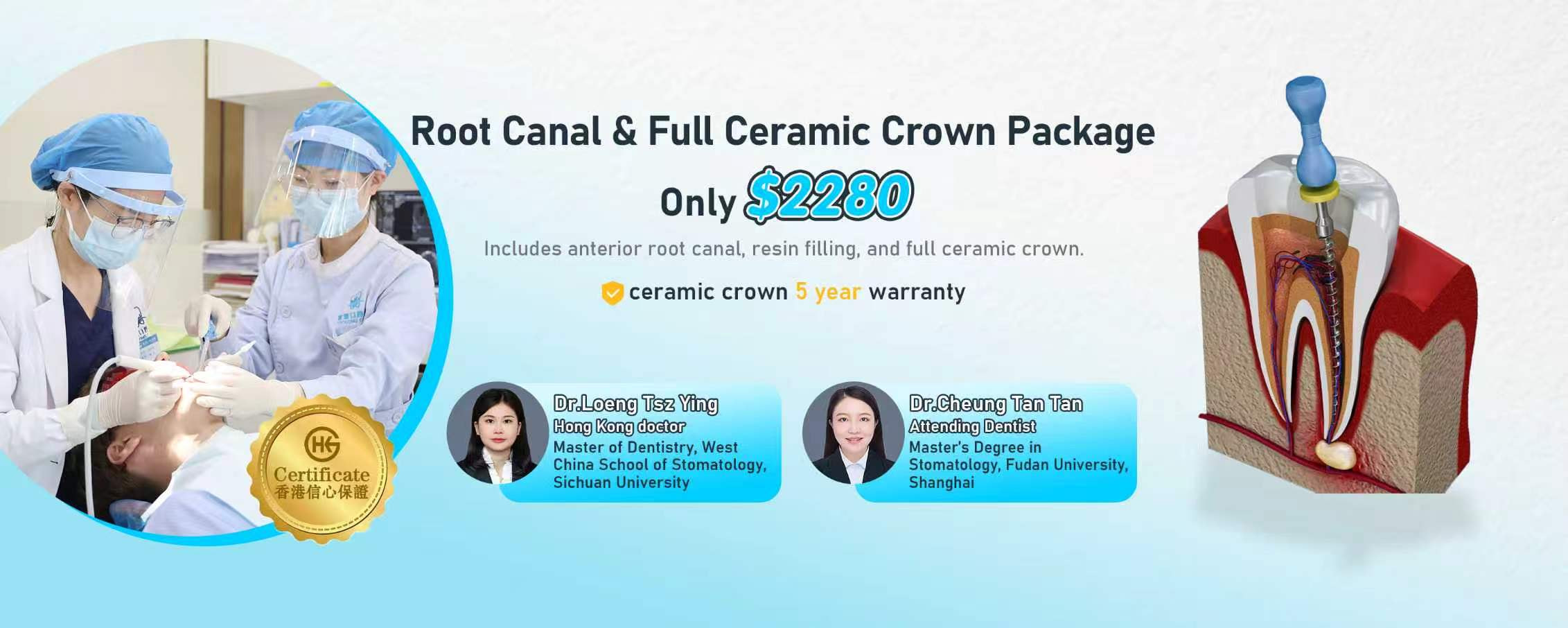
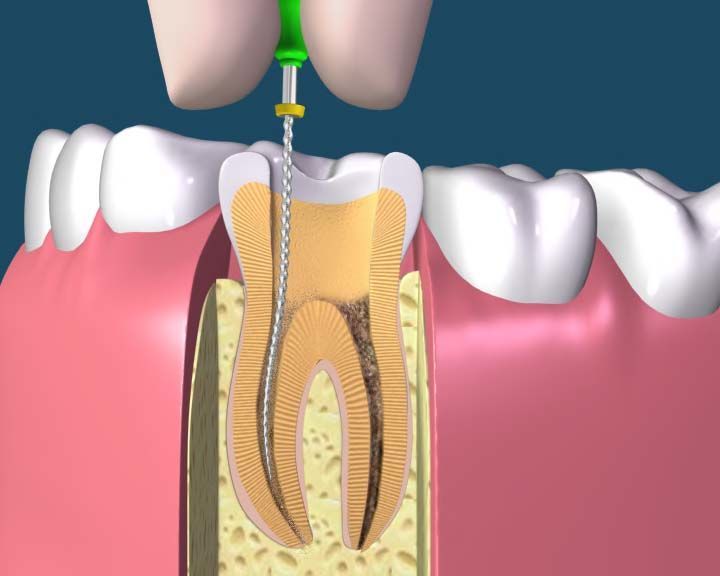
Root canal treatment involves addressing inflammation or necrosis of the tooth pulp. When the tooths nerves and blood vessels are severely infected, possibly due to deep cavities, trauma, or unresolved dental issues, the dentist needs to remove the infected pulp, disinfect the area, and seal it with a filling material. This process helps preserve the tooth’s structure without extracting it.
**Does Root Canal Treatment Hurt?**
When discussing pain, anesthesia naturally comes to mind. Without anesthesia, root canal treatment can be unbearable due to the sensitivity of tooth nerves. The process of cleaning and scraping out infected tissue can be extremely painful. However, most dental clinics now opt for local anesthesia to relieve discomfort during the procedure significantly.
**Anesthesia Practices in Mainland China**
In Mainland Chinese dental clinics, the procedure is generally similar to Hong Kong. Dentists will decide on anesthesia based on the patients condition. Typically, in cases of acute pulpitis where the patient is in severe pain, dentists recommend anesthesia to minimize discomfort, ensuring a smoother treatment process. The choice and effectiveness of anesthetic drugs are quite similar to those in Hong Kong, and as long as you choose a reputable clinic, the medication should meet safety standards.
Occasionally, if a dentist assesses that the patients pulp is completely necrotic with minimal pain, they may suggest proceeding without anesthesia. Nonetheless, not using anesthesia doesnt mean theres no discomfort. Some individuals may experience sourness, swelling, or pressure during treatment. Therefore, it’s best to discuss thoroughly with your dentist beforehand to understand your
comfort level.
**Why Do Some People Fear Anesthesia?**
Some people worry that the needle for anesthesia will be painful or fear potential side effects of anesthetic drugs. Modern dental local anesthesia techniques are well-developed, with dentists applying topical numbing cream prior to injection to reduce needle pain, and the dosage is controlled precisely. As for side effects, generally healthy individuals face little risk. However, those with cardiovascular diseases or other medical conditions should inform their dentist in advance.
**Things to Consider Before Going to Mainland China for Treatment**
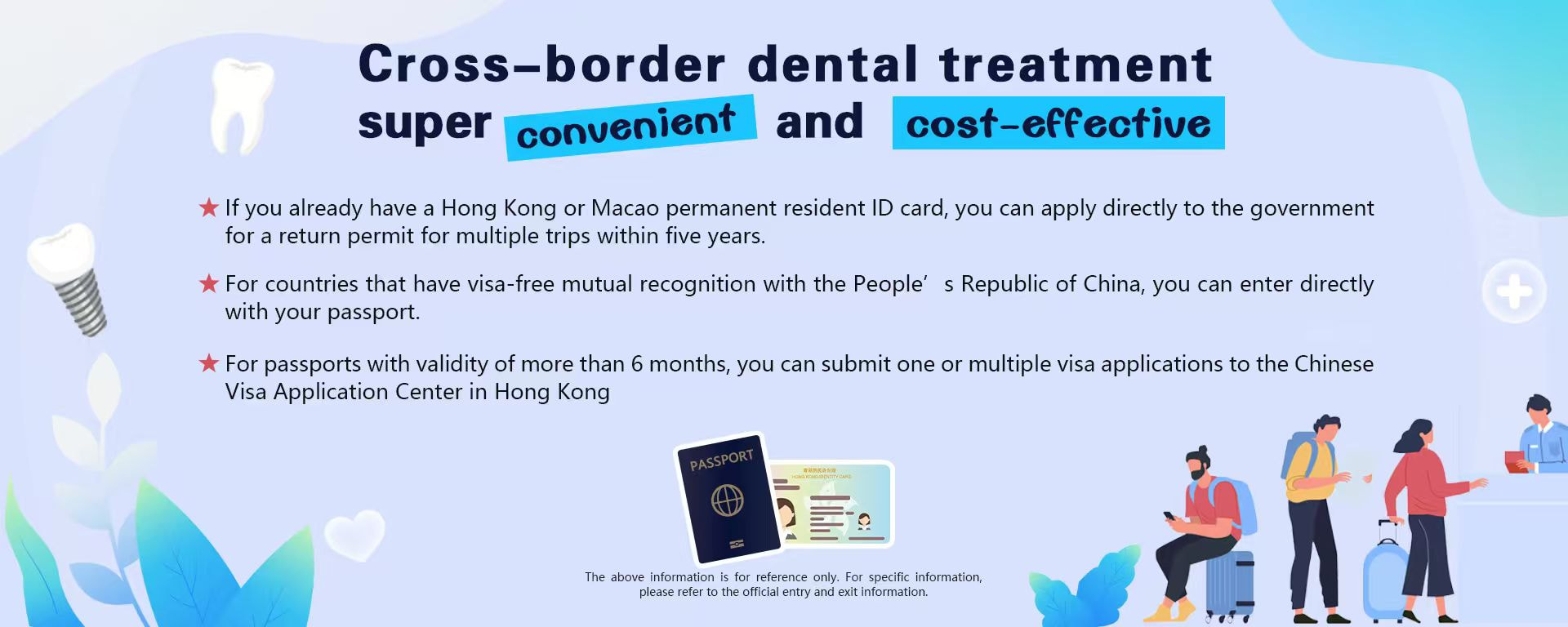
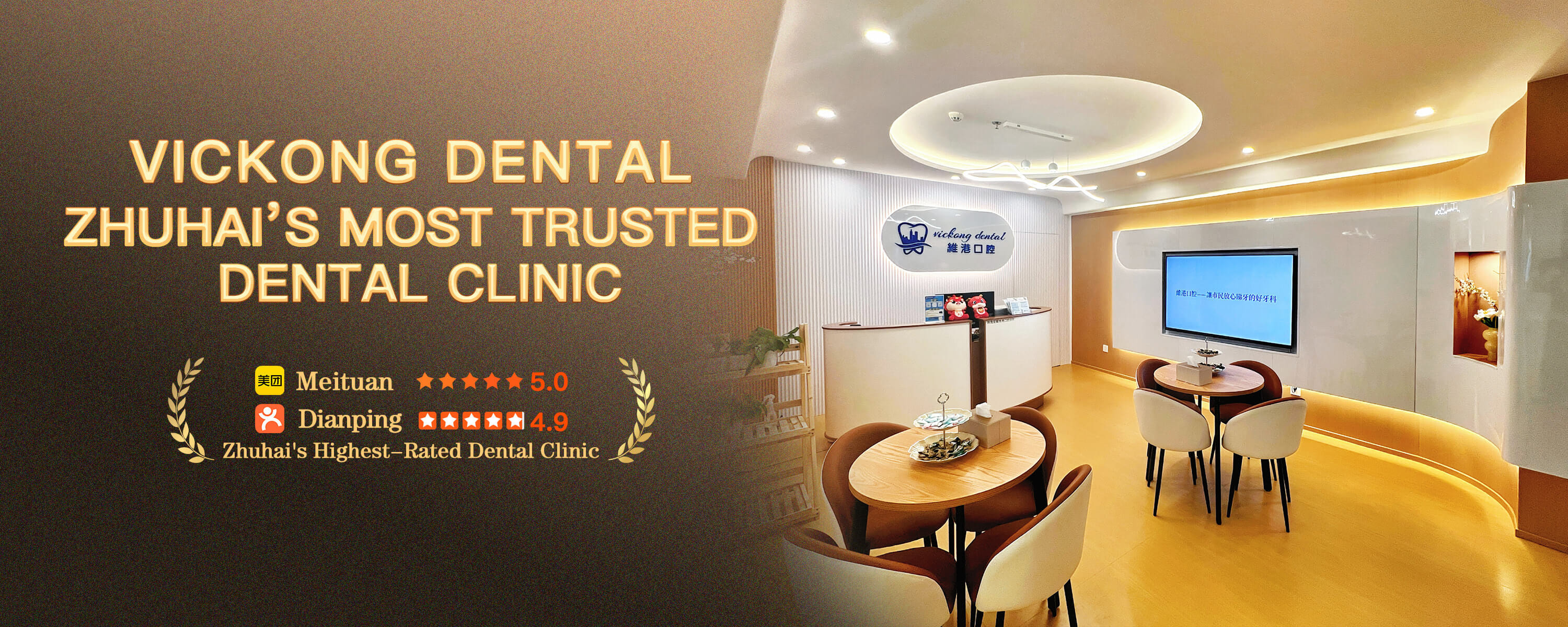
Firstly, choose reputable dental clinics and verify the dentist’s qualifications and experience. Secondly, have thorough discussions with your dentist before treatment; inquire about anesthesia use, types of anesthetic drugs, and approximate procedure duration. Thirdly, if you have concerns about anesthesia, express them so your dentist can provide targeted explanations.
**Psychological Preparedness and Cooperation During Treatment**
Root canal treatment typically requires multiple visits. Initially, the dentist may clean the pulp cavity, then disinfect and seal it. Using anesthesia ensures a smoother process, allowing patients to comfortably sit in the dental chair while dentists focus on completing each step meticulously. For those anxious about dental work, anesthesia is a significant relief.
**Conclusion**
"Do You Need Anesthesia for Root Canal Treatment in Mainland China?" doesnt have a definitive answer as it depends on the condition of the tooth infection, the level of pain, and individual tolerance. However, to ensure comfort and successful outcomes, anesthesia is commonly recommended. No matter if you’re in Hong Kong or Mainland China, it’s crucial to have open communication with your dentist prior to treatment. Such discussions help complete the treatment confidently, preserving your dental health.
If you’re unsure about seeking treatment in Mainland China, consider scheduling a preliminary check-up to assess your dental condition, ensuring youre making the most informed decision. Teeth are lifelong assets, so its best not to wait until the pain becomes unbearable before visiting a dentist.
















